Seven sculptures for a city in transformation
Seven sculptures for a city in transformation
At the UN Campus, Enrica Salvadori’s exhibition transforms Turin’s modern architecture into a story of memory, change and rebirth
3 juin 2026
© Enrica Salvadori
Some buildings remain in the city, yet slowly disappear from view.
People pass by them, recognise their shape, remember what they used to be, or wonder what they might become. Over time, they become part of the urban background: familiar, silent, almost invisible.
For Turin-born artist Enrica Salvadori, these buildings are anything but invisible. They are fragments of memory, signs of change and, in her words, “pieces of urban archaeology, of contemporary archaeology.”
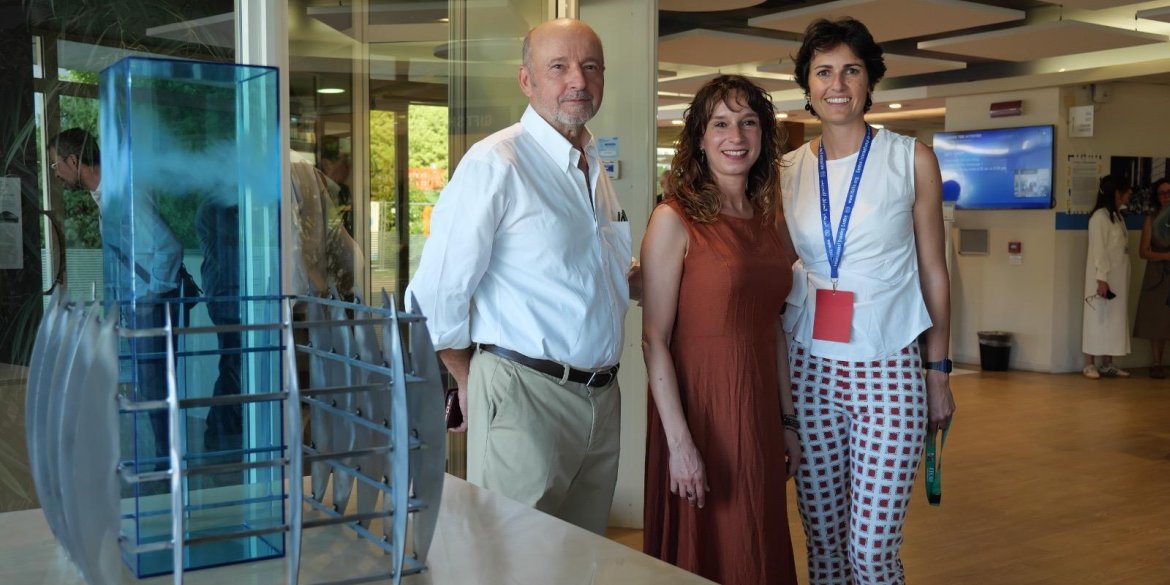
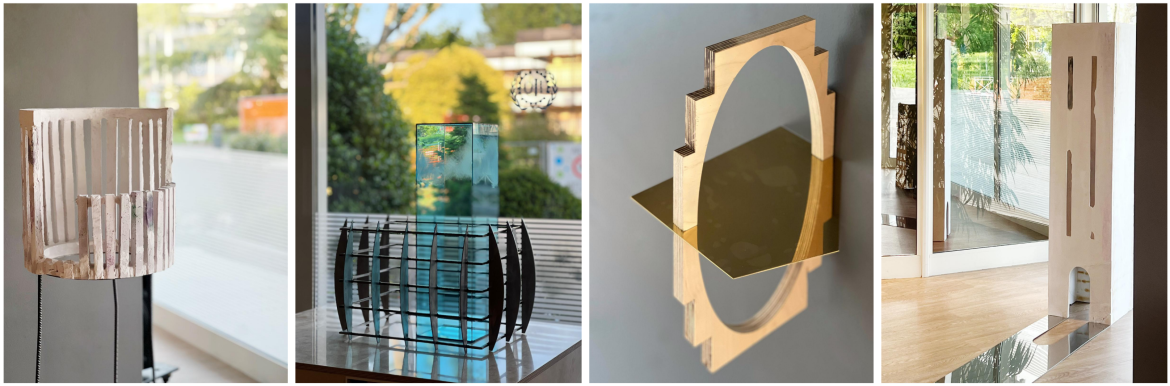
Her exhibition Sculture di Architettura Italia 61_Torino 06 was inaugurated at the UN Campus in Turin on the 27th of May. Through seven sculptures, it invites visitors to look again at some of the city’s modern landmarks, from the legacy of Italia ’61 to the transformations linked to the Turin 2006 Winter Olympics, including Palazzo del Lavoro, the Ovovia station in Parco Europa, Torino Esposizioni, Palavela, Torre Maratona, the former Mercati Generali and the Olympic Village in via Giordano Bruno.
Together, they form what the artist describes as “a kind of story of the city”: a story built through architecture, personal memory and the everyday presence of buildings that continue to change.
© Enrica Salvadori
Salvatori recalls from her grandparents that Italia 61’ was more than a celebration of the centenary of Italian unification, it marked a moment when Turin projected itself beyond its own borders and opened itself to international curiosity, even welcoming Walt Disney and the Circarama attraction. It was the symbol of “the rebirth after the war” and carried “the feeling of a community rebuilding together.”
Many of these buildings are often seen through what they have lost: their original function, their visibility, or the role they once played in the city. Salvadori’s sculptures shift the perspective, inviting visitors to see them not as finished stories, but as places that can still generate imagination and new meaning. “For me, even decay can become a starting point for creativity,” she said.
Hosted at the UN Campus, the exhibition also connects Turin’s architectural memory with the values of the United Nations. Its reflection on the “new lives and new possibilities” of urban spaces speaks directly to SDG 11 of the 2030 Agenda on sustainable cities and communities, celebrating the resilience of cities and the dignity of shared heritage.
For ITCILO, it is also a way to open the Campus to the city and to the international community that passes through it every year, inviting participants, staff and visitors to see Turin through spaces that can still change, inspire and begin again.
The exhibition will remain open at the UN Campus in Turin until 15 November 2026.


