Diplomacy for Development: Strengthening Yemen's Capacity to Build Partnerships for Sustainable Development
Diplomacy for Development: Strengthening Yemen's Capacity to Build Partnerships for Sustainable Development
An executive learning programme equips Yemeni diplomats with the knowledge, practical skills and international partnerships to advance development-oriented diplomacy.
29 July 2026
© ITCILO/Mattia Capone
Diplomacy today is no longer confined to representing states or managing bilateral relations. In an increasingly interconnected world, diplomats are expected to mobilize international partnerships, navigate complex geopolitical realities, engage effectively in multilateral negotiations and contribute directly to their countries' sustainable development priorities.
For countries facing complex recovery and development challenges, these capacities are more important than ever.
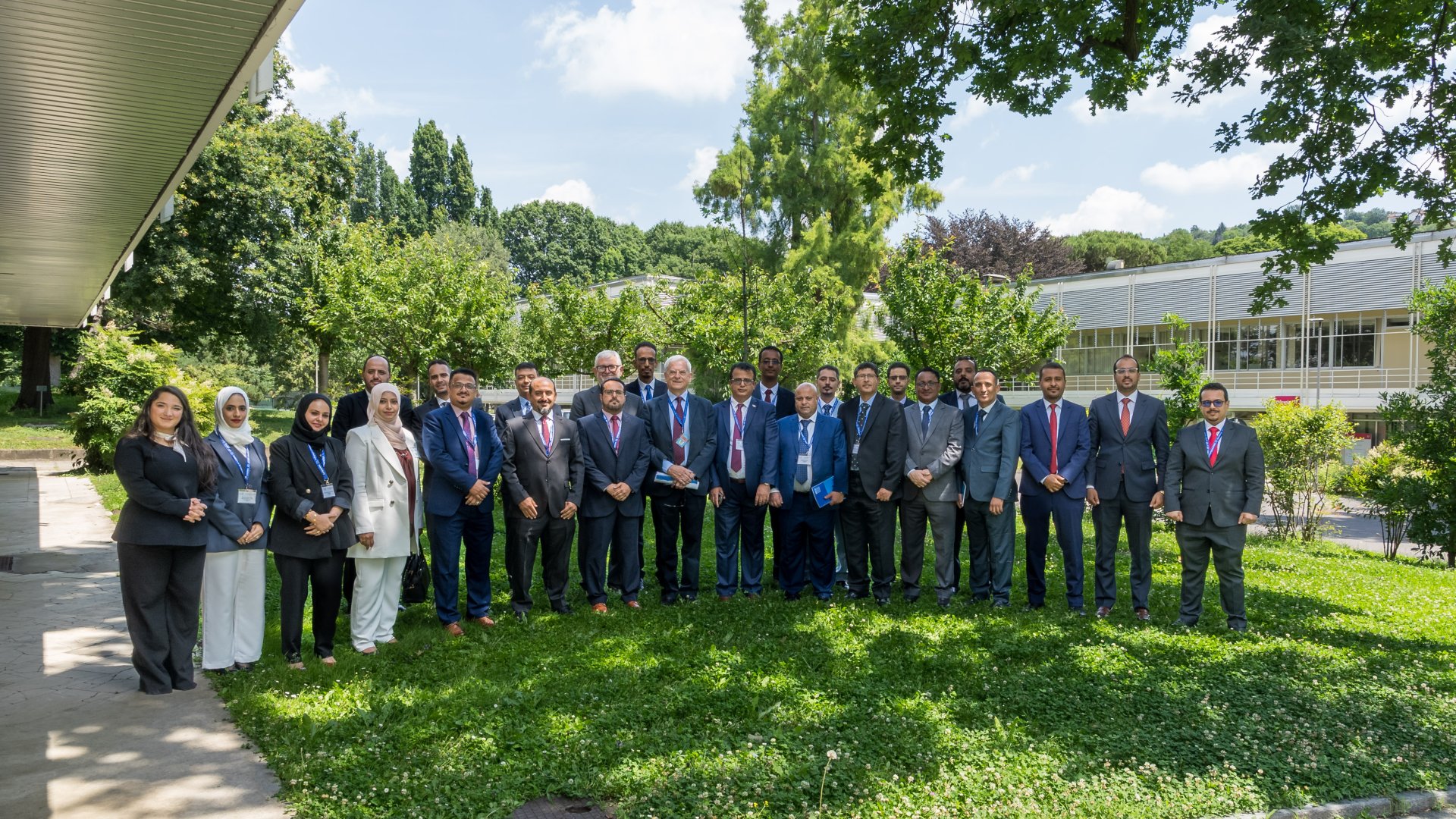
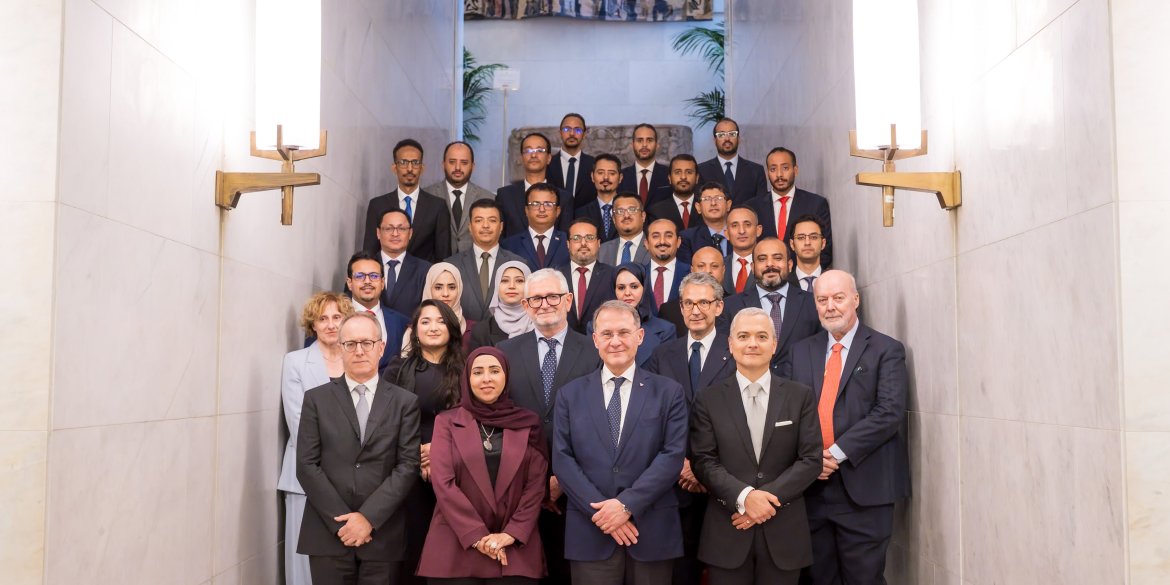
Recognizing these evolving demands, the International Training Centre of the ILO (ITCILO) welcomed 24 diplomats from the Ministry of Foreign Affairs and Expatriates of the Republic of Yemen for a two-week executive learning programme designed to strengthen the competencies required for modern diplomatic practice.
Implemented in partnership with the Italian Ministry of Foreign Affairs and International Cooperation (MAECI), the programme also marked a significant milestone: 100 years of diplomatic relations between Italy and the Republic of Yemen. More than a commemoration of a longstanding partnership, the initiative represented a shared investment in the people and institutions that will shape future international cooperation.
The Turin Learning Approach
Built around the ITCILO's Turin Learning Approach, the programme placed participants at the centre of the learning experience.
Rather than relying solely on lectures, diplomats learned through negotiation simulations, diplomatic role-playing, leadership laboratories, policy debates, case studies and collaborative problem-solving designed to reflect the realities of diplomatic work.
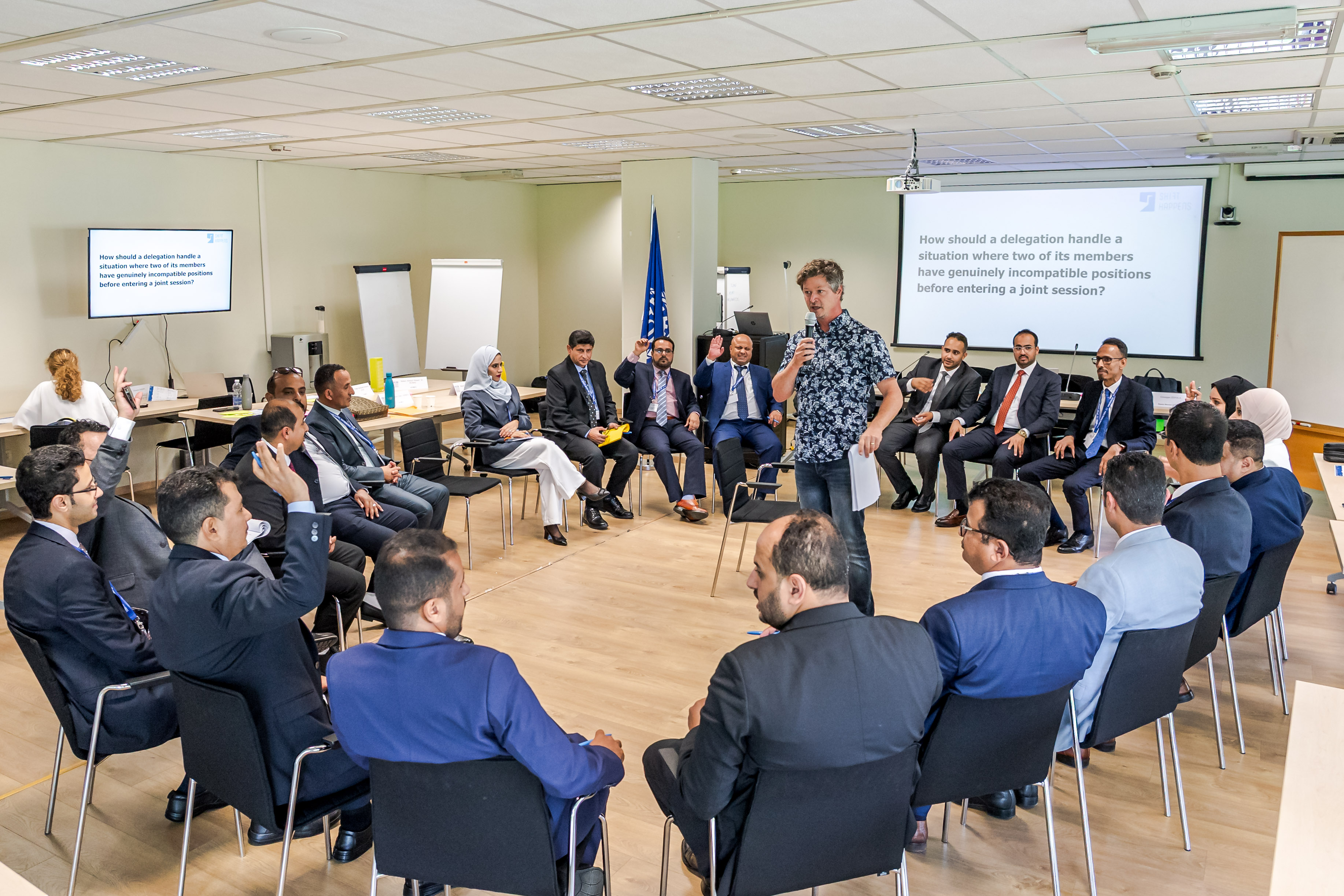
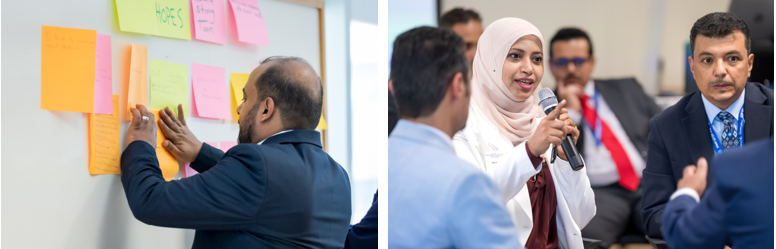
Throughout two intensive weeks, participants strengthened their ability to:
- negotiate and build consensus in complex political environments;
- communicate strategically across cultures and institutions;
- analyse international legal and geopolitical challenges;
- engage with multilateral organizations and development partners;
- identify opportunities for international cooperation and investment;
- connect foreign policy with national development priorities.
Working in teams, they navigated realistic diplomatic scenarios, from negotiating international trade agreements and addressing regional security challenges in the Red Sea to designing inclusive development initiatives and managing high-level diplomatic dialogue.
Learning became an interactive process where professional experience, peer exchange and reflection were as valuable as expert instruction.
Diplomacy as a driver of sustainable development
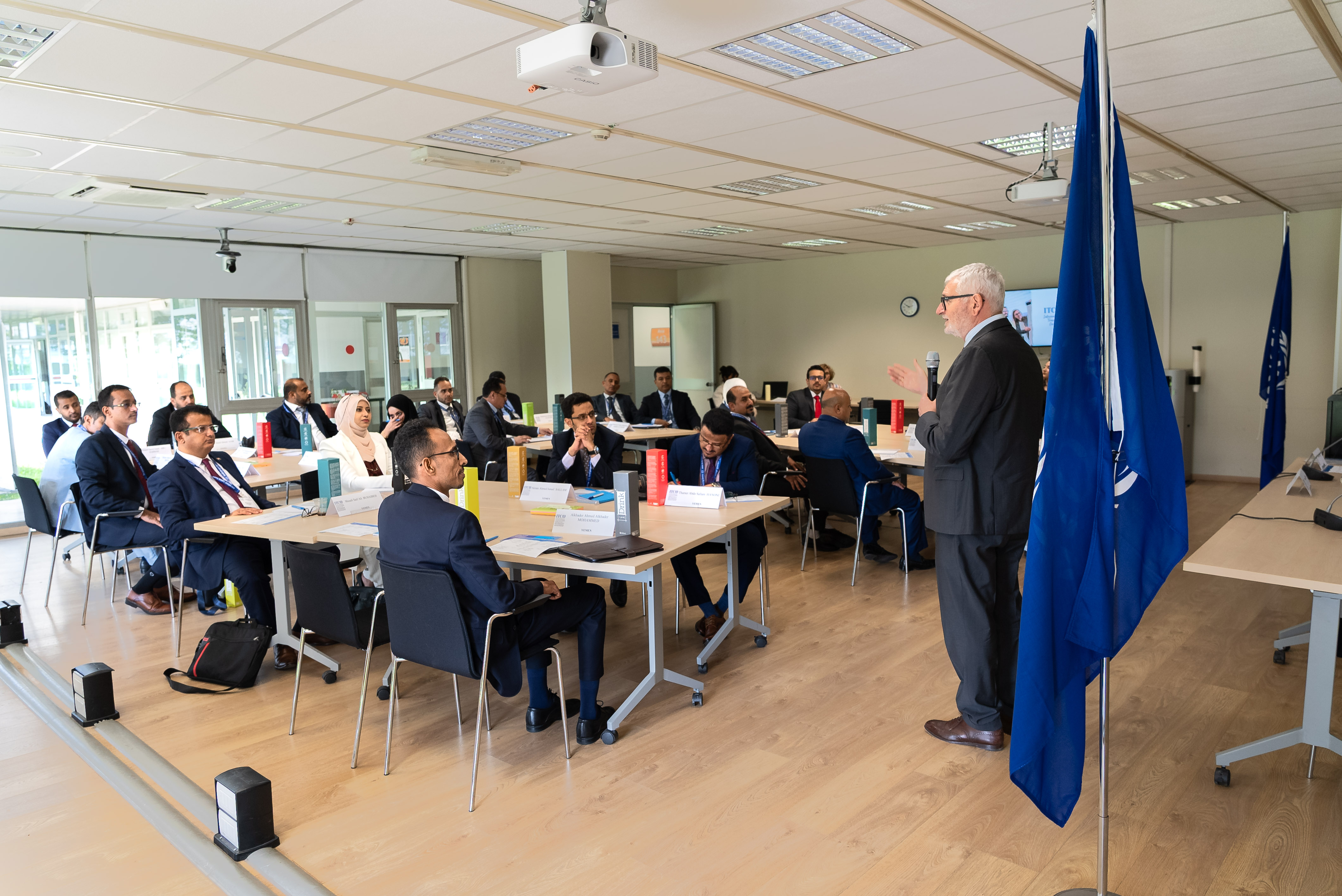
A defining feature of the programme was its focus on development-oriented diplomacy.
Participants explored how diplomacy increasingly intersects with sustainable development, economic cooperation, humanitarian action and multilateral governance.
Sessions examined international law, leadership, strategic communication, development cooperation, economic diplomacy, labour migration, cultural diplomacy, post-conflict recovery and the Humanitarian–Development–Peace Nexus, providing participants with a broader understanding of how diplomatic engagement can help mobilize international support for national priorities.
Throughout the programme, discussions remained firmly connected to Yemen's context, encouraging participants to examine how international partnerships can contribute to economic recovery, institutional strengthening and long-term resilience.
Learning where international cooperation happens
The programme extended well beyond the classroom.
During the second week, participants travelled to Rome, where learning moved directly into the institutions shaping global development cooperation.
At the Food and Agriculture Organization of the United Nations (FAO), diplomats explored how investment in agriculture and food systems supports rural livelihoods and long-term resilience.
At the World Food Programme (WFP), discussions focused on the transition from humanitarian assistance to sustainable recovery, illustrating how emergency response and development efforts increasingly work together.
Visits to the International Fund for Agricultural Development (IFAD) highlighted innovative approaches to financing rural development and supporting communities affected by fragility and conflict, while exchanges with experts demonstrated how long-term partnerships can strengthen food security and inclusive economic growth.
The learning journey concluded at the Italian Ministry of Foreign Affairs and International Cooperation (MAECI), where participants engaged with senior Italian officials on diplomatic protocol, bilateral cooperation and Italy's continued partnership with Yemen.
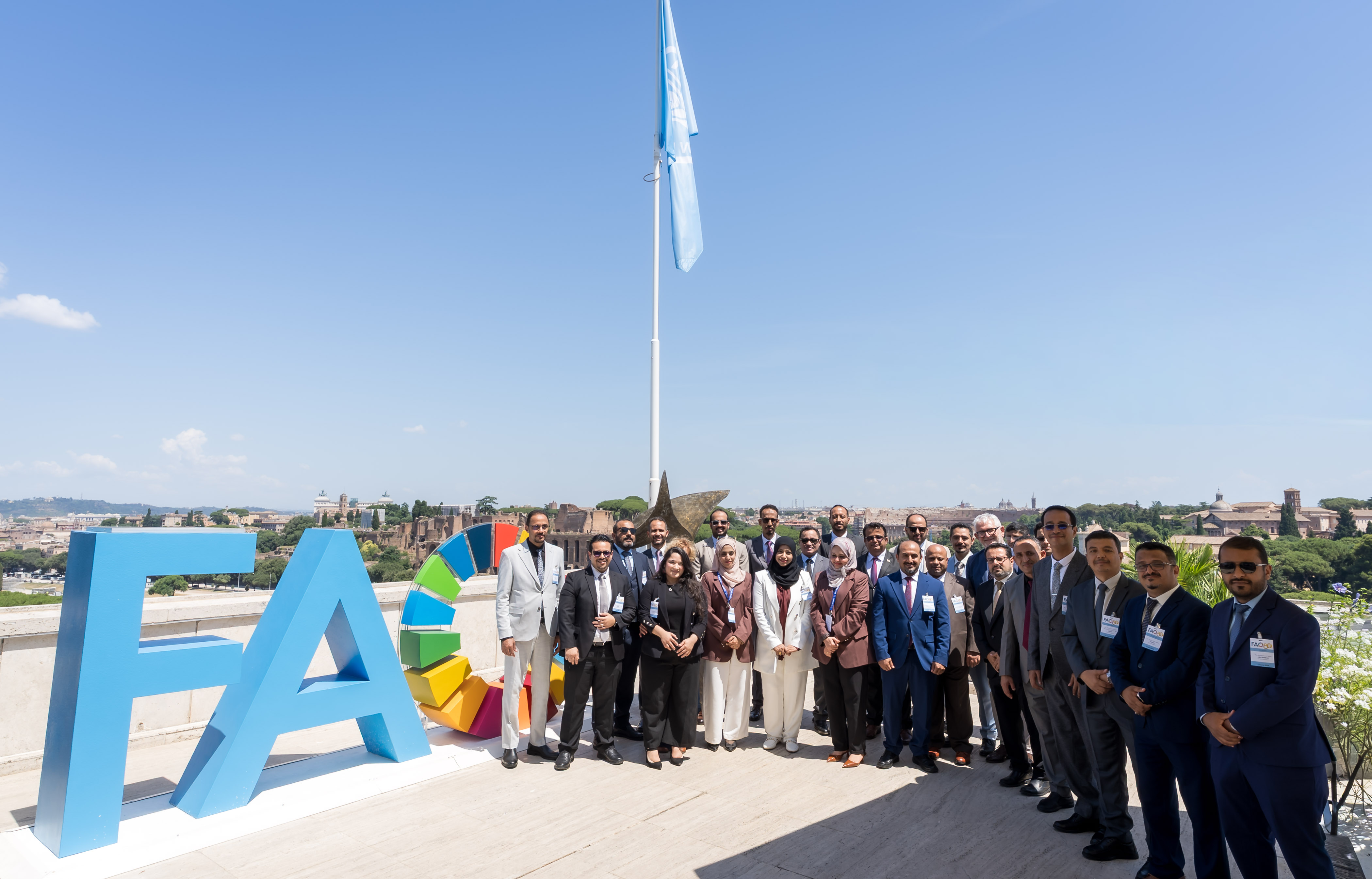
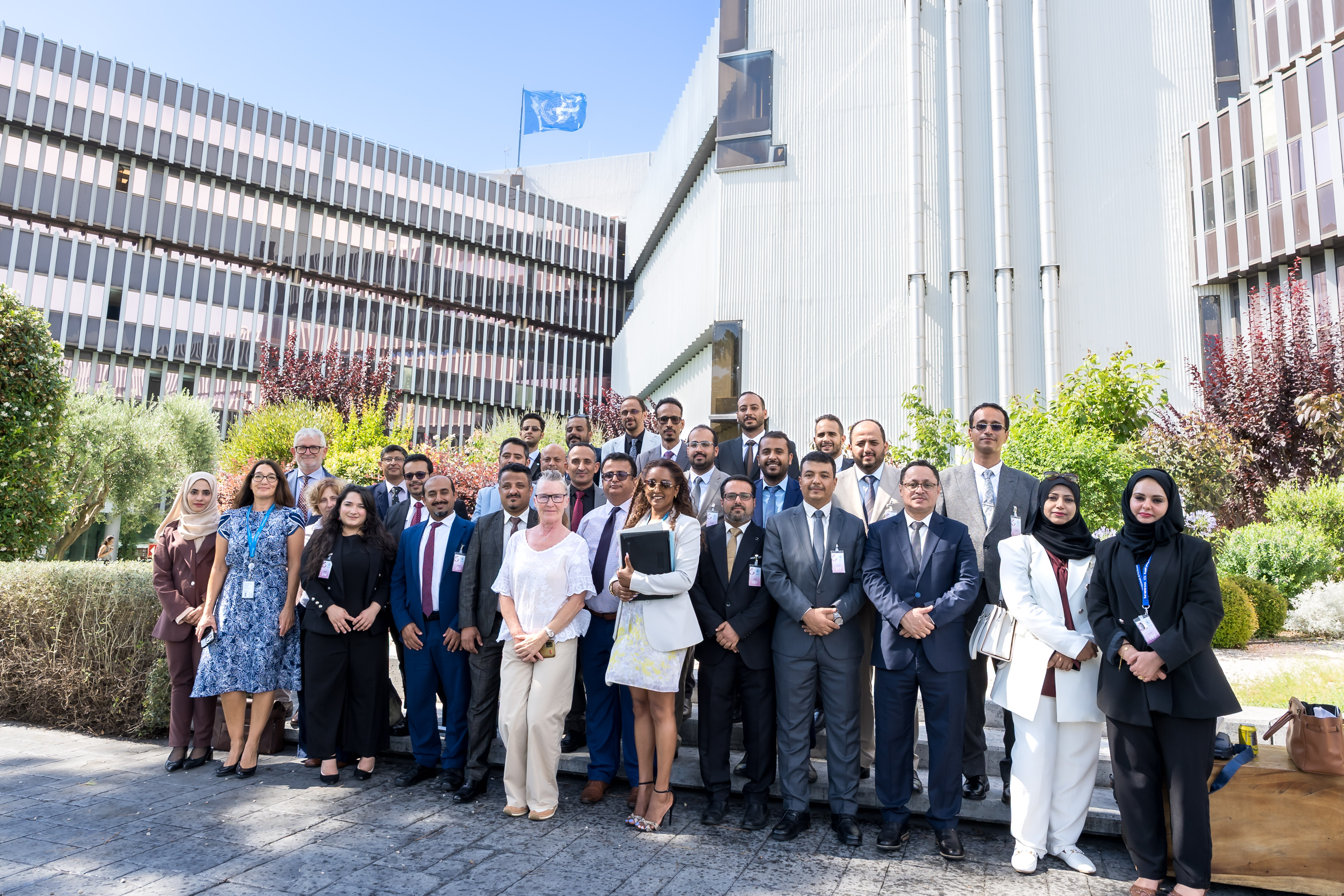
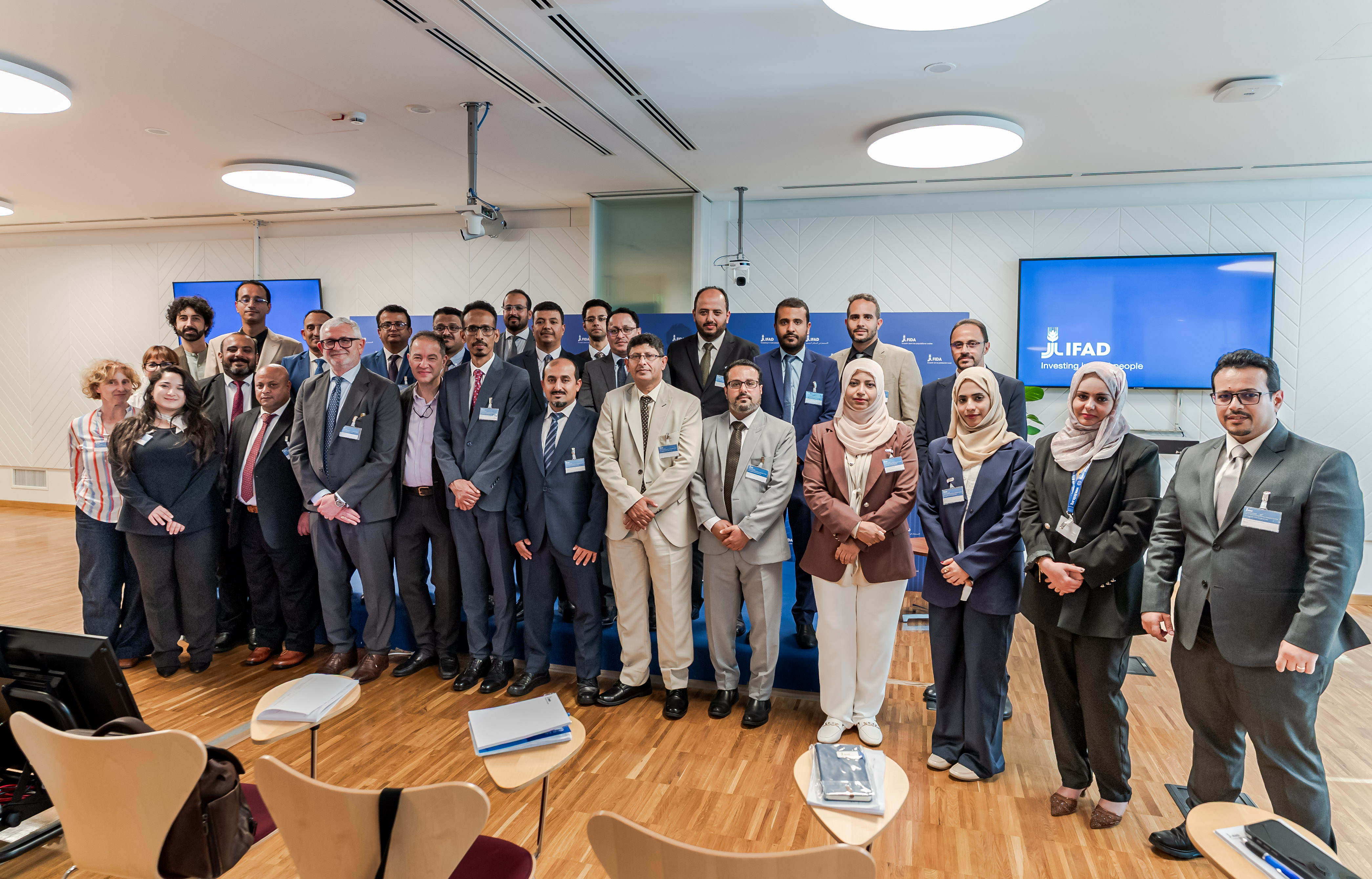
...returning home with a sharper diplomatic footprint, a deeper understanding of our global responsibilities, and the enduring warmth of Italian hospitality.
Mr. Musali Buhaibeh
Participant representative
Building partnerships that last
While technical learning remained at the heart of the programme, one of its most enduring outcomes was the network of professional relationships built throughout the journey.
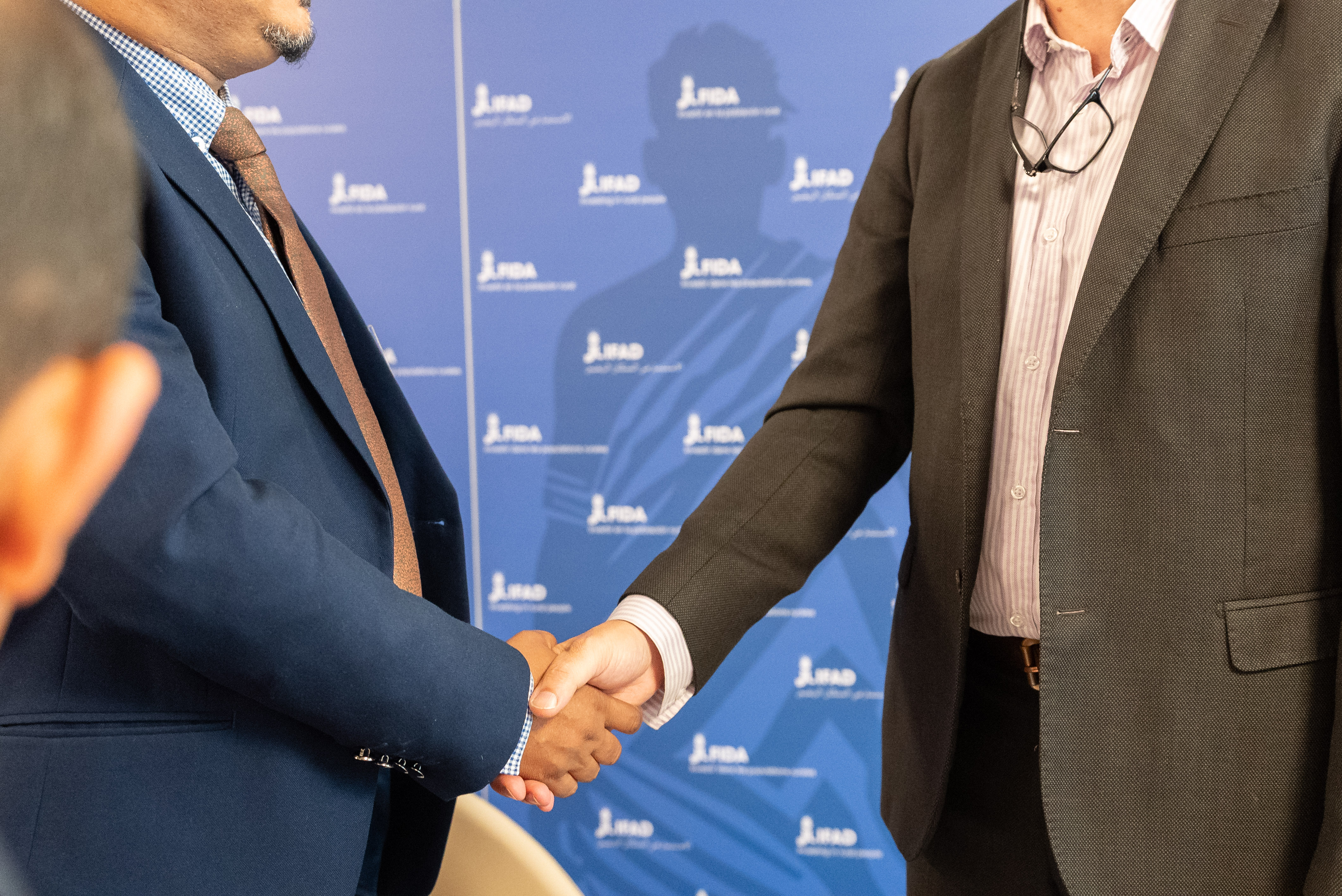
Over two weeks, participants exchanged experiences, compared diplomatic approaches and developed relationships with experts, international organizations and Italian institutions that extend beyond the classroom.
These connections strengthen opportunities for continued dialogue, future cooperation and sustained institutional engagement between Yemeni diplomats and their international counterparts.
Strong institutions capable of engaging with the world, negotiating, and representing and defending their country's interests in accordance with international law are among the fundamental conditions for peace, and strong diplomacy brings peace closer.
Christophe Perrin
Director, ITCILO
Investing in institutions through people
Strong institutions are built by capable professionals.
By investing in the professional development of diplomats, the programme contributes to strengthening Yemen's institutional capacity to engage internationally, build partnerships and mobilize cooperation that supports national development priorities.
Participants completed the programme with stronger knowledge of international diplomacy, enhanced practical skills in leadership, communication and negotiation, broader perspectives on multilateral cooperation, and renewed confidence in diplomacy's role as a catalyst for sustainable development.
The programme also received outstanding participant feedback, achieving an overall evaluation score of 4.52 above the ITCILO benchmark of 4.42 and earning particular recognition from the diplomats for the quality of its faculty, practical learning methodology and relevance to participants' professional responsibilities.
A century of partnership, a future of cooperation
Italy was the first country to recognize Yemen's independence, laying the foundations of a relationship that has endured for a century.
Edmondo Cirielli
Deputy Minister of Foreign Affairs and International Cooperation
The programme concluded with a diploma ceremony at the Italian Ministry of Foreign Affairs and International Cooperation, held as part of the celebrations marking one hundred years of diplomatic relations between Italy and Yemen.
A century of cooperation demonstrates the lasting value of dialogue, mutual respect, and collaboration in overcoming political and historical challenges.
H.E. Ambassador Asmahan Al-Toqi
Ambassador of Yemen to Italy
While the centenary celebrated a shared history of friendship and cooperation, the programme looked firmly towards the future.
Through initiatives such as Diplomacy for Development, the ITCILO continues to support governments in building the institutional capacity, leadership and international partnerships needed to address today's global challenges, demonstrating that effective diplomacy is not only about representing nations, but also about creating the conditions for sustainable development, peace and shared prosperity.