Strengthening Labour Administration Systems in a Changing World of Work
Strengthening Labour Administration Systems in a Changing World of Work
A global workshop examines the role of governance, institutional capacity, peer learning and innovation in advancing decent work, social dialogue and social justice.
16 January 2026
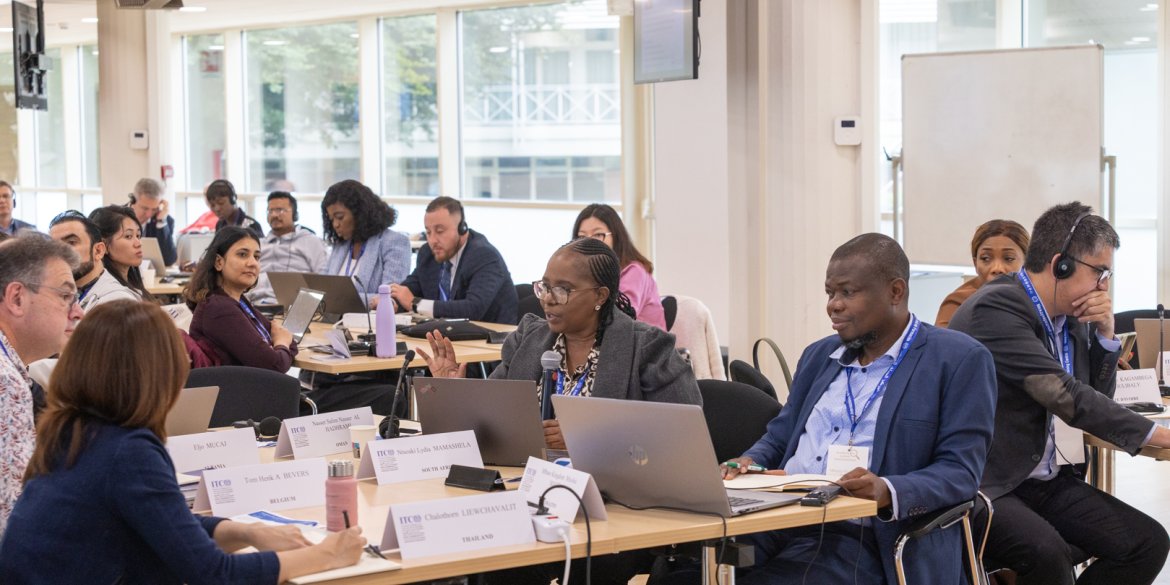
In a world of work marked by rapid economic transformation, accelerating digitalization and persistent informality, labour administration systems are facing growing demands. They are called upon not only to enforce labour standards, but also to rebuild institutional trust, facilitate social dialogue and safeguard workers’ rights in increasingly fragmented labour markets.
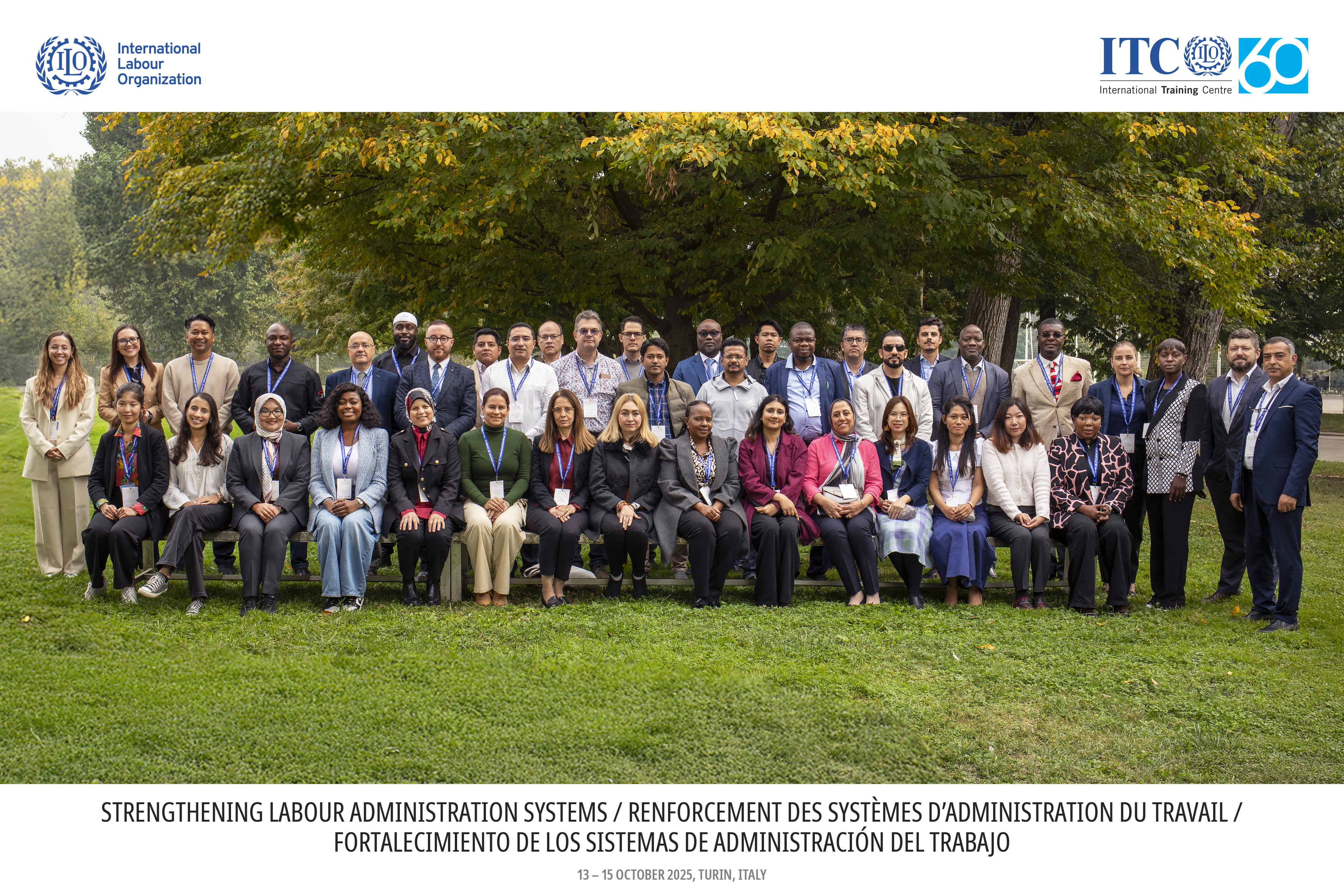
Against this backdrop, the International Training Centre of the ILO (ITCILO), in collaboration with the International Labour Office, organized the global workshop on Strengthening Labour Administration Systems in Turin from 13 to 15 October 2025. Bringing together senior officials, policymakers and practitioners from across the world, the workshop provided a dedicated space for strategic reflection on how labour administration systems can remain effective, inclusive and responsive amid profound change.
Establishing the Governance Foundation
Ms Vera Paquete Perdigao, Director of GOVERNANCE at ILO HQ, highlighted that labour administration constitutes the backbone of decent work and social justice, which lies at the heart of the ILO’s mandate. This statement echoes with the words of Mr Christophe Perrin, Director of the ITCILO, who insisted that the workshop reflects the ongoing commitment to provide senior officials with a dedicated space for strategic dialogue and reflection on governance, institutional capacity-building, innovation, and leadership — all essential elements in fostering more resilient and coherent labour administration systems.
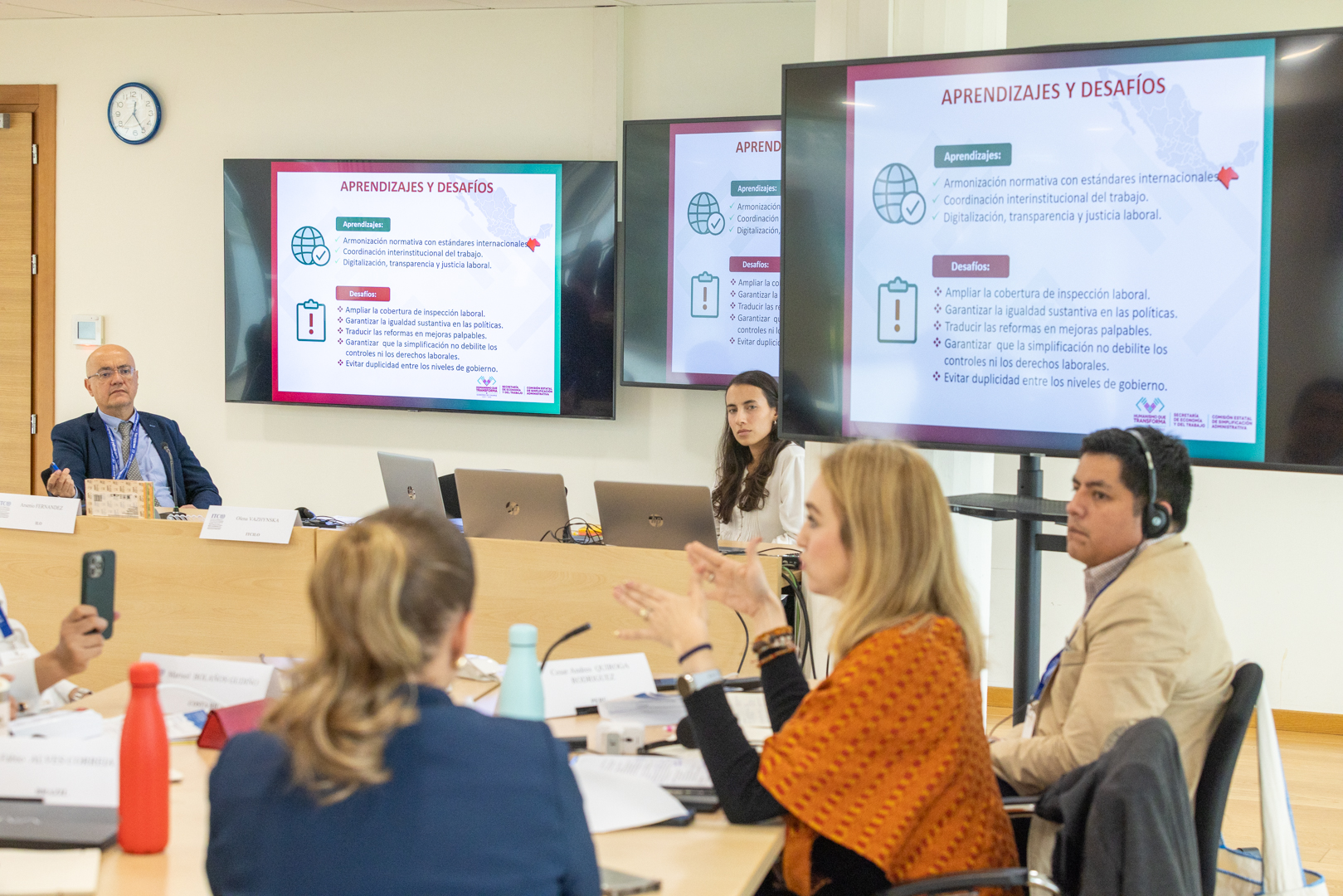
The workshop opened with a strong conceptual grounding. Ms Lieve Verboven, Chief of LABGOV, highlighted the pivotal role of labour administration in rebuilding trust during periods of transition, drawing on ILO Convention No. 150 and Recommendation No. 158. Mr Javier Barbero, Team Lead at LABGOV, examined the Guidelines on General Principles of Labour Inspection, while Mr Carlos Galian Barrueco, Senior Technical Specialist on Informal Economy and Decent Work at the ILO, explored the role of labour administration in addressing informality, guided by Recommendation No. 204 and the 2025 International Labour Conference discussions.
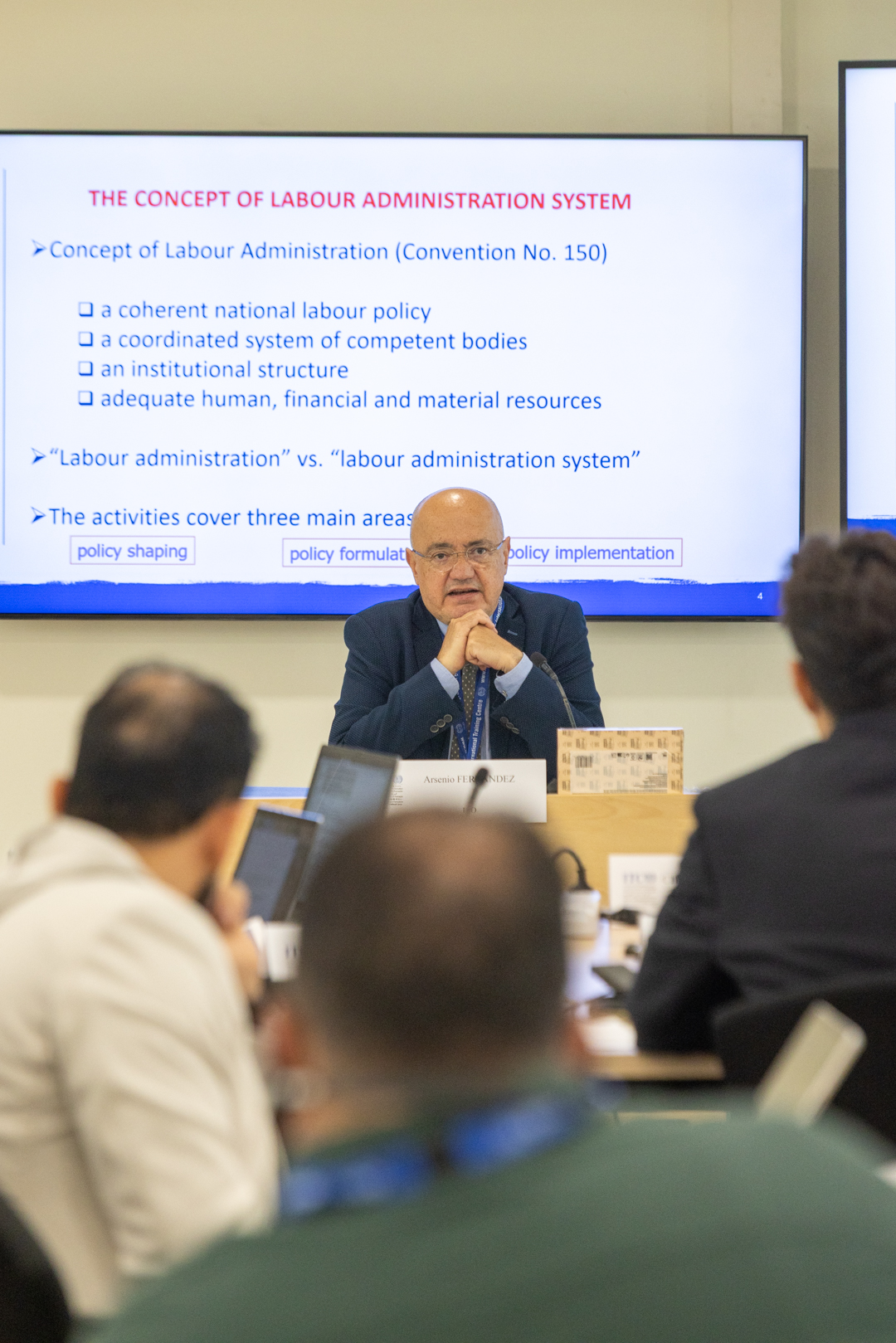
The second day further deepened the governance perspective. Sessions led by Mr Arsenio Fernández, Senior Labour Administration Specialist at the ILO, focused on the UN principles of effective governance and the organization of labour administration systems. Collectively, these discussions underscored the importance of coherent institutional frameworks, professional independence, adequate resources and effective inter-ministerial coordination, reaffirming labour administration as a strategic public good rather than a purely technical function.
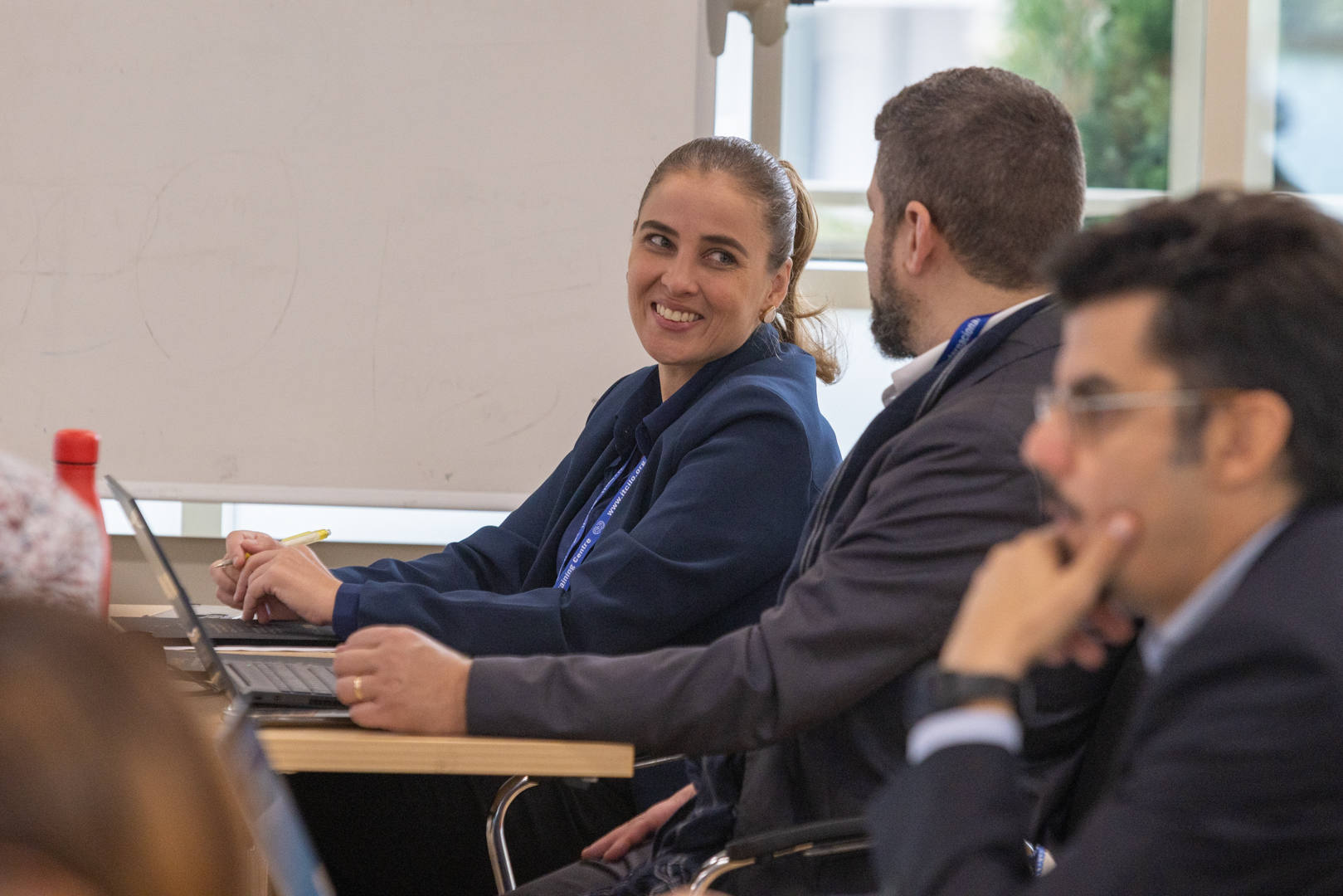
Fostering Peer Learning and Collective Insight
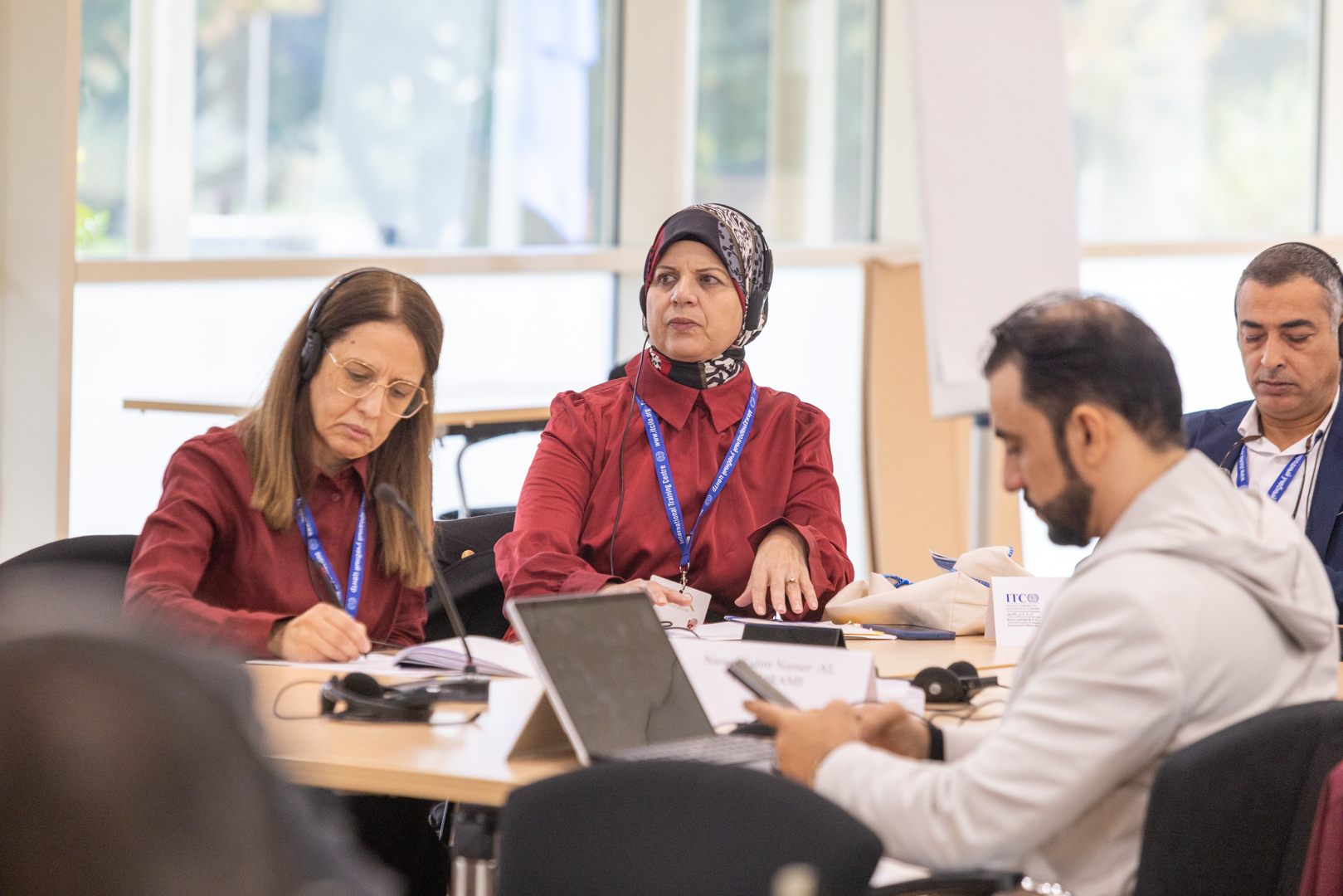
Peer learning was central to the workshop methodology. Interactive World Café sessions, facilitated by Mr Felix Martin-Daza and Ms Olena Vazhynska from SPGT Programme of the ITCILO, created a space for open and candid dialogue on shared challenges such as coordination gaps, global supply chains, labour migration and the expansion of platform-based work.
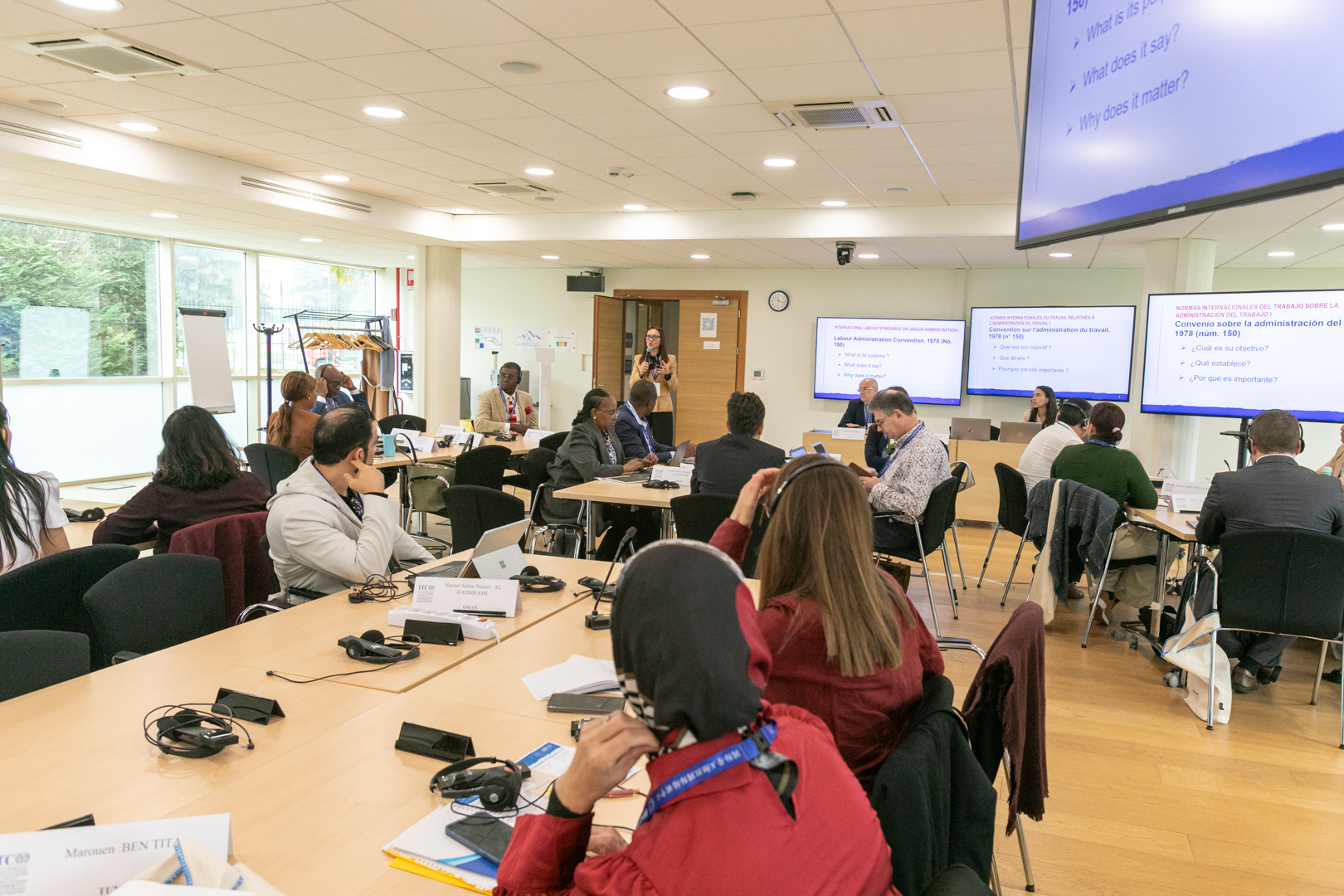
Working in groups, participants identified recurrent challenges, innovative practices and emerging priorities, fostering a sense of collective intelligence across regions and institutional contexts. These exchanges revealed common constraints, including capacity limitations and institutional fragmentation, while also highlighting context-specific solutions. The process reaffirmed that sustainable reform is most effectively driven through collaborative learning and shared experience, rather than isolated initiatives.
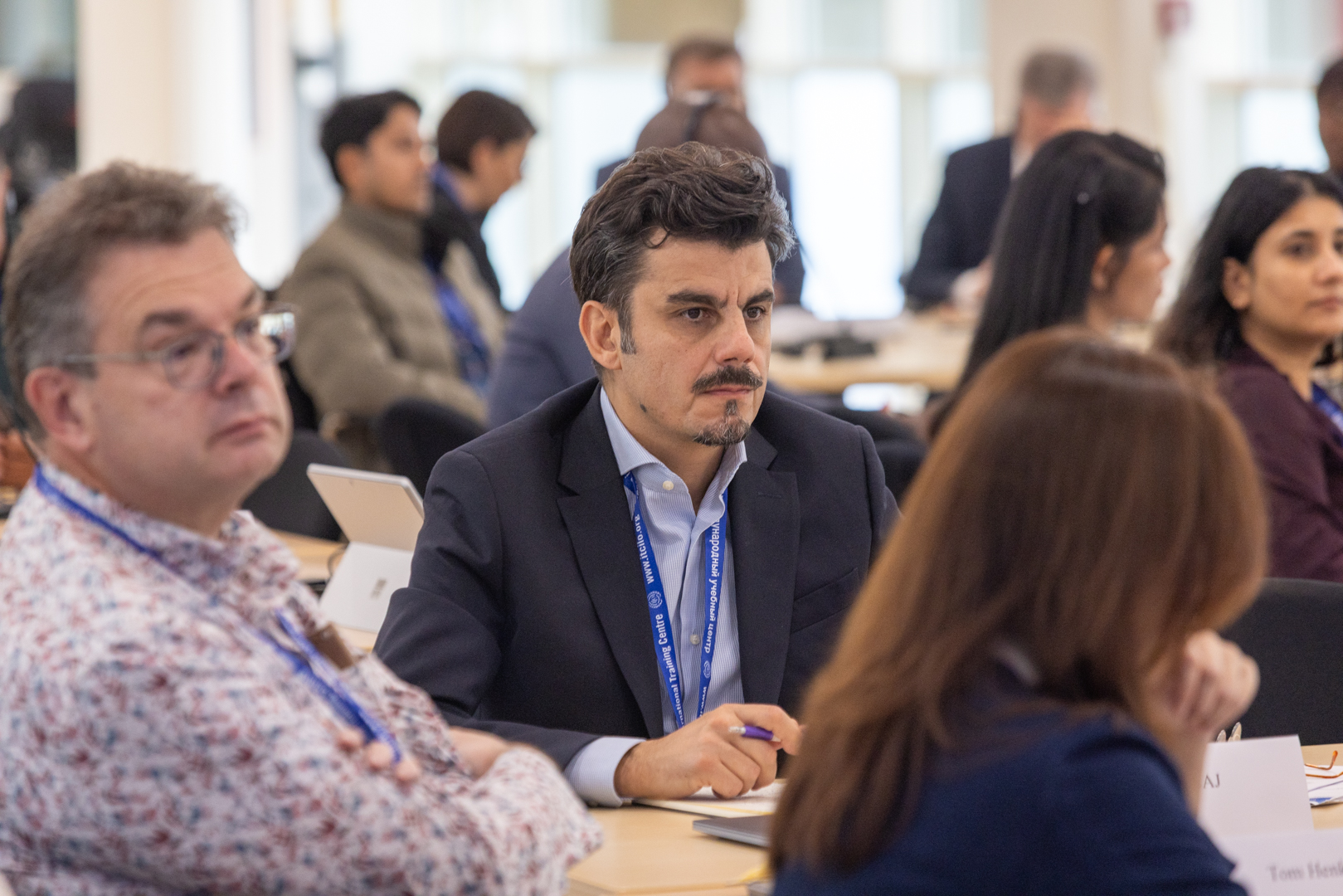
Translating Insights into Institutional Action
The final day of the programme adopted a deliberately action-oriented focus. Mr Pablo Paramo, labour administration expert from Spain, led sessions on the management of labour administration systems, while Mr Andreas Klemmer, Director of Training at ITCILO, addressed innovation and leadership in public institutions. Mr Sylvain Baffi, Senior Programme Officer at ITCILO, explored the role of social dialogue mechanisms in reinforcing trust and improving labour governance.
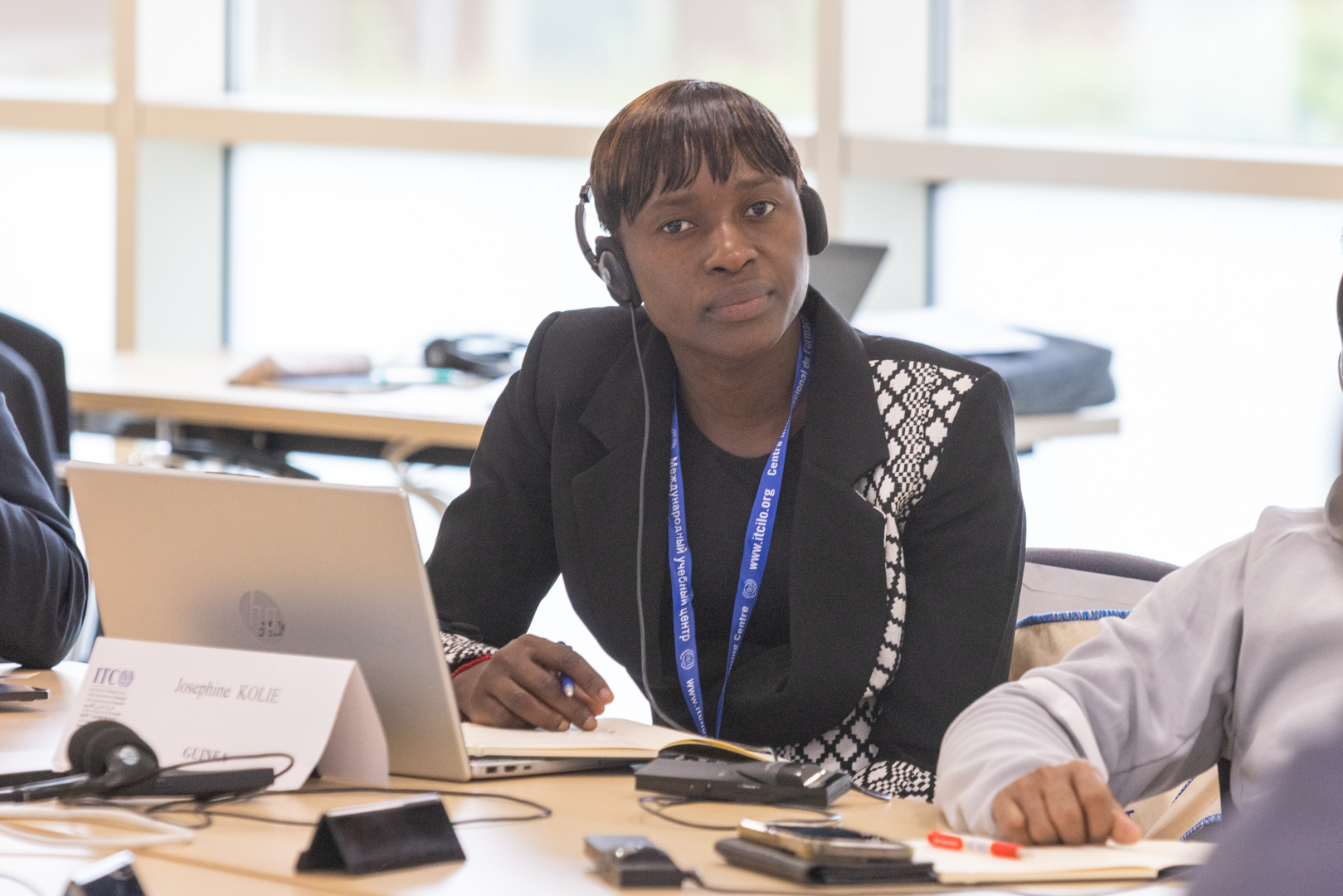
The workshop culminated in an action planning laboratory that challenged participants with a practical question: If one institutional capacity or coordination mechanism could be strengthened starting next month, what would it be — and how? This exercise encouraged participants to translate learning into realistic, context-sensitive measures aligned with their national priorities.
Advancing Long-Term Institutional Capacity
Participants concluded the workshop equipped with concrete frameworks to modernize labour administration systems, including data-informed inspection strategies, strengthened inter-agency cooperation and gender-responsive policy approaches. Discussions repositioned labour administration beyond a narrow enforcement role, emphasizing its function as a proactive governance instrument capable of supporting transitions to formality and fostering fair and inclusive labour markets.
These outcomes strongly align with ITCILO’s mandate to support agile, capable institutions that can navigate the evolving dynamics of the global world of work.
Extending Impact Through Continuous Learning
To sustain learning beyond the residential phase, participants were introduced to ITCILO’s expanding portfolio of tools and resources. These include a self-guided MOOC on labour administration, the ITCILO eCampus platform, tailored training programmes developed with ILO specialists, and innovative hybrid and immersive learning formats. Adaptable to national and regional contexts, these resources are designed to support continuous institutional capacity development over time.
Now is the time to invest in labour administration systems — to strengthen institutions, rebuild trust and advance decent work and social justice for all.
For more information, contact:
Olena Vazhynska, Activity Manager — o.vazhynska@itcilo.org


