ITCILO Diplomas Support Professionals to Strengthen Social Protection Systems Worldwide
ITCILO Diplomas Support Professionals to Strengthen Social Protection Systems Worldwide
Graduates learn new skills for policy reform, programme design and system performance across diverse national contexts.
23 avril 2026

Photo credit: Margherita Borsano
In March 2026, the ITCILO graduated a new cohort of 11 professionals in its diploma programmes: the Diploma for Social Protection Analysts and the Diploma for Social Protection Managers. These professionals have gone on to join a growing global network of practitioners applying their skills to strengthen social protection systems that are inclusive, sustainable and responsive to people’s needs.
Launched in 2018 and in 2020 respectively, the diploma programmes aim to strengthen the capacity of professionals responsible for designing, managing and evaluating social protection systems. Delivered through a combination of online and face-to-face learning at the ITCILO campus in Turin, they cover core areas such as policy design, financing, governance and system performance. The programmes provide access to up-to-date knowledge, data, tools and global evidence on social protection, and are delivered by experienced trainers and resource persons from international organizations, academia and practice.
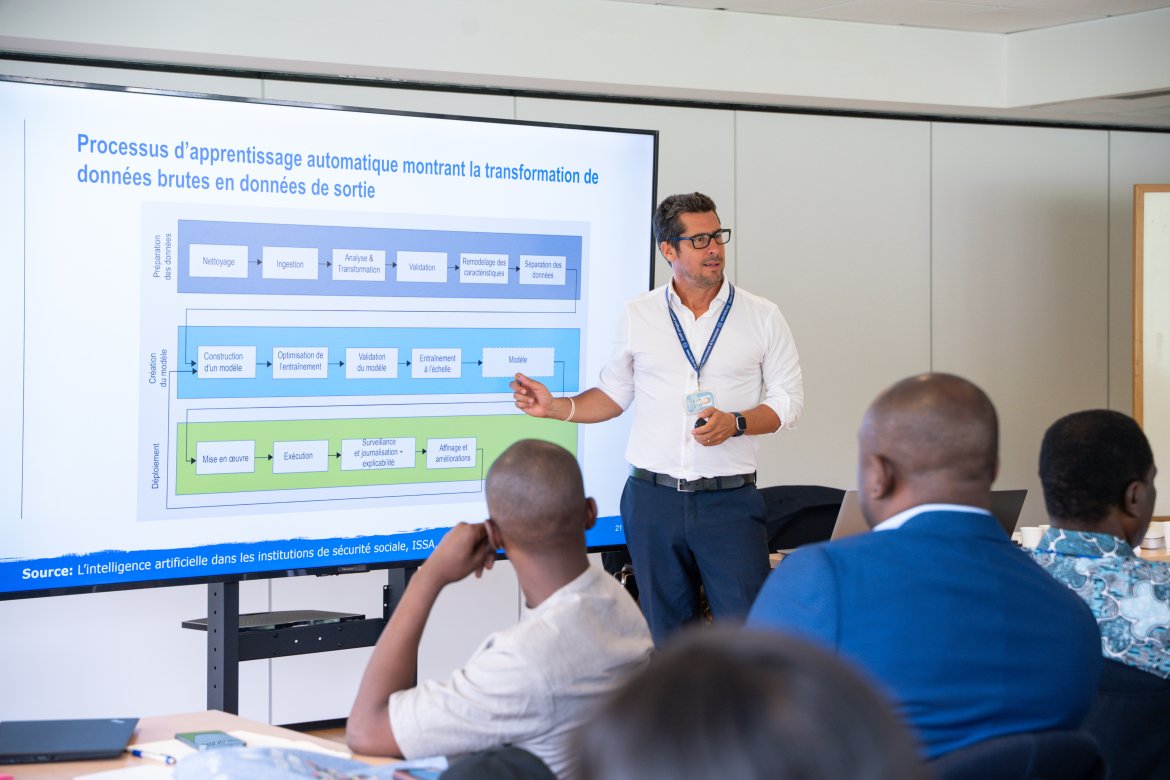
Photo credit: Margherita Borsano
The diploma programmes have so far 68 graduates from 39 countries, part of a significant, world-wide effort to support capacity development across diverse institutional and national contexts.
For many graduates, the programmes have contributed to moving the needle on social protection. Already, participants have begun to apply the knowledge gained to support policy development, system reform and programme implementation in their respective countries in three major areas:
- Improving national reform processes
- Strengthening social protection systems and expanding coverage
- Supporting programme design and implementation
These wins begin with a fundamental shift in how participants understand social protection.
The most valuable aspect was the shift in how I understood social protection—not only as programmes or policies, but as a rights-based, systemic, and transformative approach.
Nadeen Hilal
Advisor to the Minister of Public Health in Lebanon
Improving national reform processes
Participants report that the knowledge gained is being applied in ongoing reform implementation processes in their countries.
In Oman, tangible progress is already being made at the Social Protection Fund.
The knowledge and tools from the diploma are already helping me translate Oman’s ambitious social protection reform into concrete, evidence-based measures
Malik Al Jabri
Director at the Social Protection Fund, Oman
Hashim Al Hashimi, Director General of Customer Services at the same institution, noted the relevance of adapting international experiences to national contexts.
The diploma strengthened my ability to translate global good practices into context-specific solutions… supporting efforts to build a modern, integrated system.
Hashim Al Hashimi
Director General of Customer Services, Social Protection Fund, Oman
In Senegal, the conviction remains the same.
Universal social protection is the result of political will and programmatic commitment… models must be adapted to local realities.
Ousmane Basse
Director of Strategy and Planning, Ministry of Family and Solidarity (DGPSN), Senegal
Strengthening systems and expanding coverage
In Uganda, Geoffrey W. Sajjabi, Chief Commercial Officer at the National Social Security Fund, is applying analytical tools from the programme to assess system performance and contribute to reforms.
I am already leading efforts to develop a medical insurance benefit and contributing to national policy reforms.
Geoffrey W. Sajjabi
Chief Commercial Officer at the National Social Security Fund, Uganda
In the Democratic Republic of the Congo (DRC), Yannick Mavita Mukwanga, Director at the National Social Security Fund for Public State Employees of the DRC highlighted the importance of extending coverage to all population groups.
The concept of universality in social security highlights the need for mechanisms that ensure every member of society is covered, especially in the informal economy
Yannick Mavita Mukwanga
Director at the National Social Security Fund for Public State Employees of the DRC
Supporting programme design and implementation
Other graduates indicated that the diploma has strengthened their capacity to design and improve programmes.
I am now better equipped to assess policy gaps, propose evidence-based solutions, and advocate for more inclusive coverage
Nuha Al Ghzawi
Researcher, Social Security Corporation (SSC), Jordan
For Bidronce Chiphaso, Managing Director of Pro Veritas Consulting Group in Malawi, the structure of the programme was an important factor:
The programme offered not just knowledge, but a coherent and practical lens to contribute to stronger governance and more inclusive systems.
Bidronce Chiphaso
Managing Director of Pro Veritas Consulting Group in Malawi
A learning experience grounded in global expertise and human exchange
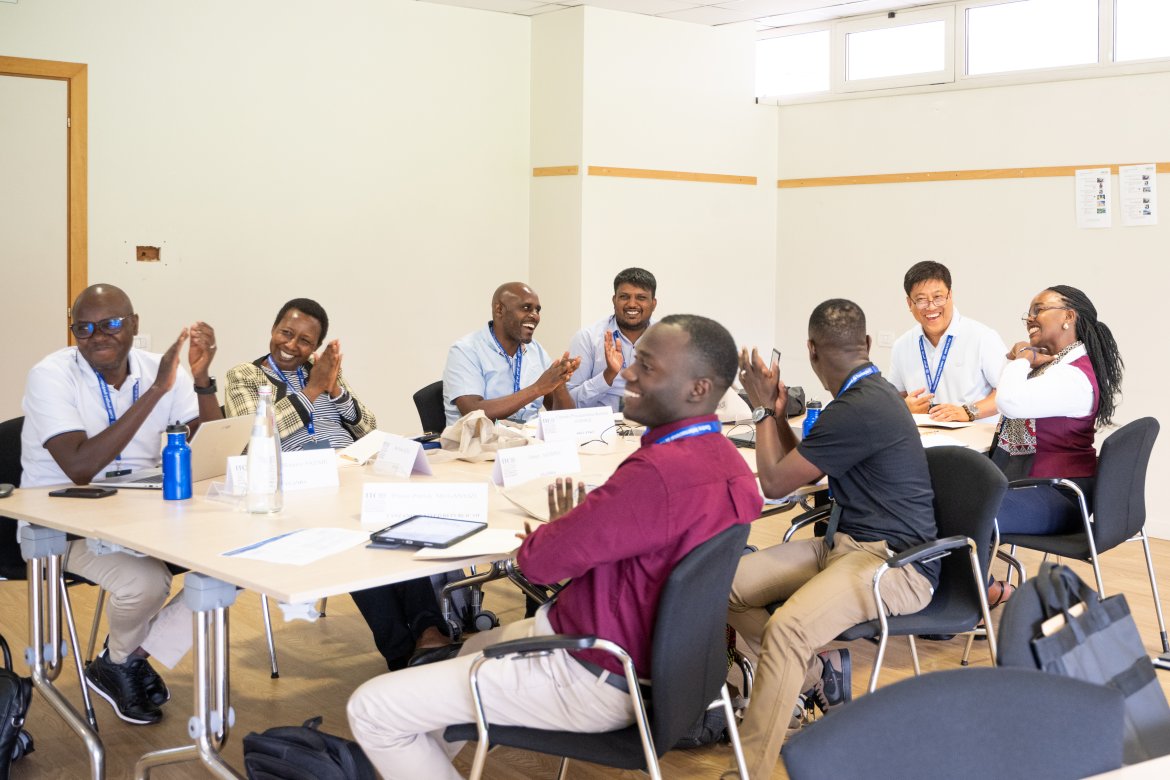
Photo credit: Margherita Borsano
Beyond technical content, participants benefit from a learning environment that unites professionals from diverse cultural and institutional backgrounds, creating a space for meaningful exchange and peer learning.
This diploma helped me meet the world in one place.
Geoffrey W. Sajjabi
Chief Commercial Officer at the National Social Security Fund, Uganda
I appreciated the diversity of cultures and experiences, and the opportunity to apply knowledge in my own context.
Nicoletta Eyamo
Social Protection Expert from Cameroon
At the same time, the learning experience remains firmly centred on people—encouraging reflection, collaboration and the application of knowledge to real-world challenges, with the goal of improving lives through more inclusive and effective social protection systems.
At ITCILO, we remain committed to expanding access to high-quality capacity development, ensuring that more professionals, institutions and countries can benefit from learning opportunities rooted in international knowledge exchange. By fostering a dynamic and collaborative environment, we will continue to support the development of stronger, more inclusive and effective social protection systems worldwide.


