
Relearning to Teach: How El Salvador is Preparing Educators for a Changing World
Relearning to Teach: How El Salvador is Preparing Educators for a Changing World
When change moves faster than the classroom can keep pace, supporting those who teach becomes an act of collective responsibility.
14 August 2026
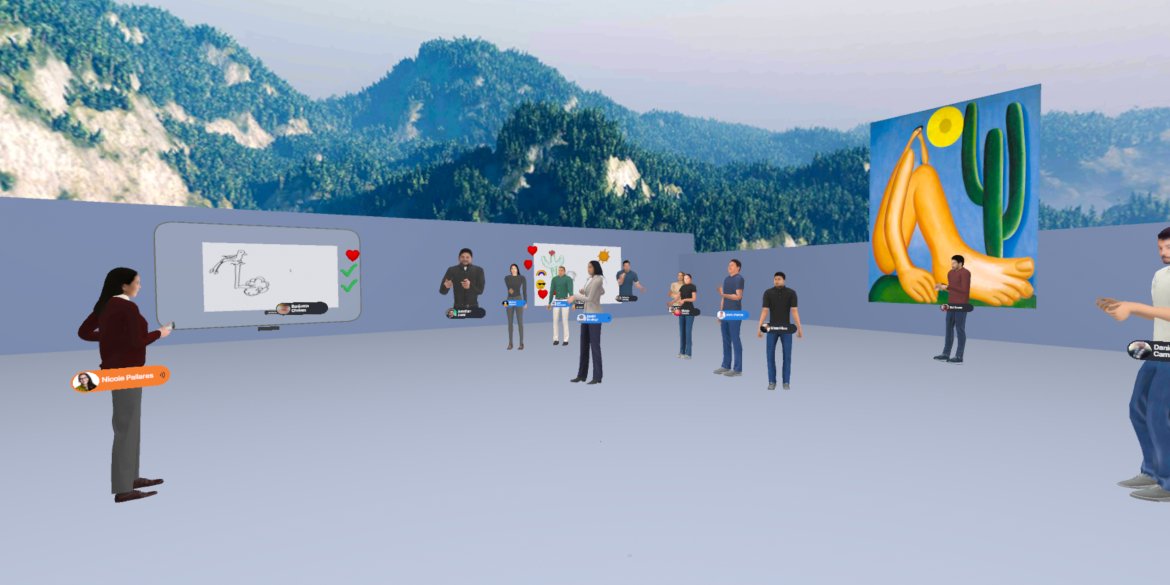
Participants of the Virtual Reality course (Edition 3)
ITCILO
The world has changed. What about the classroom?
Today's world moves at an ever-accelerating speed. Amid technological advances, global crises, and a daily life that constantly competes for our attention, the way we learn, produce, and relate to knowledge is being radically redefined - and so is what it means to train. ****
But what are we doing to help those who train evolve alongside the world? Educators cannot keep facilitating learning as they did in the past, or they risk losing connection with today's students and their needs.
El Salvador is rising to meet these changes by supporting education professionals to mediate learning with innovation and a human-centred approach. These methods, in addition to being suited to their individual and systemic needs, provide trainers authentic experiences, a learning community, and the confidence to transform their own practice.
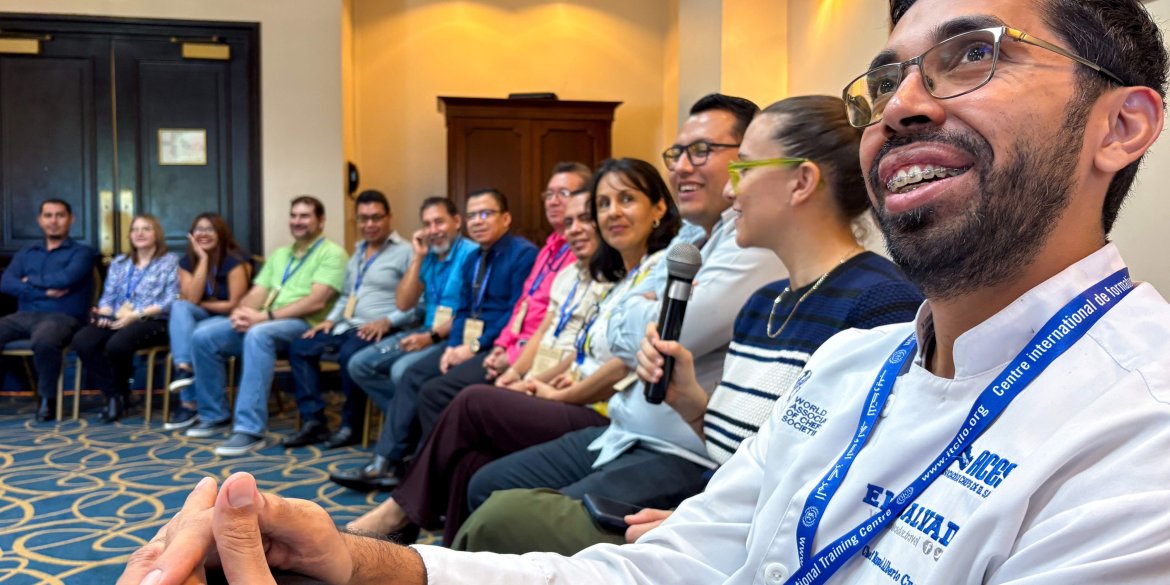
Three courses, one common goal: addressing the challenges of education in El Salvador today
Since 2006, INCAF (Instituto Nacional de Capacitación y Formación) and ITCILO produced over 20 joint courses designed to support training institutions across El Salvador. Building on this long-standing partnership and accumulated learning, three trainings of trainers (ToTs) were developed from 2023 onwards to meet the demands of this new world: one on virtual reality applied to education, another on innovative pedagogical methodologies, and a third on the strategic integration of AI in educational practice.
Across different editions, more than 400 education professionals took part in these programmes. Participants were people with diverse backgrounds, experts in their fields, and years of teaching experience. With a spirit of continuous learning, they opened themselves up to rethinking their practice and engaging in the co-construction of knowledge within a community, learning from one another.
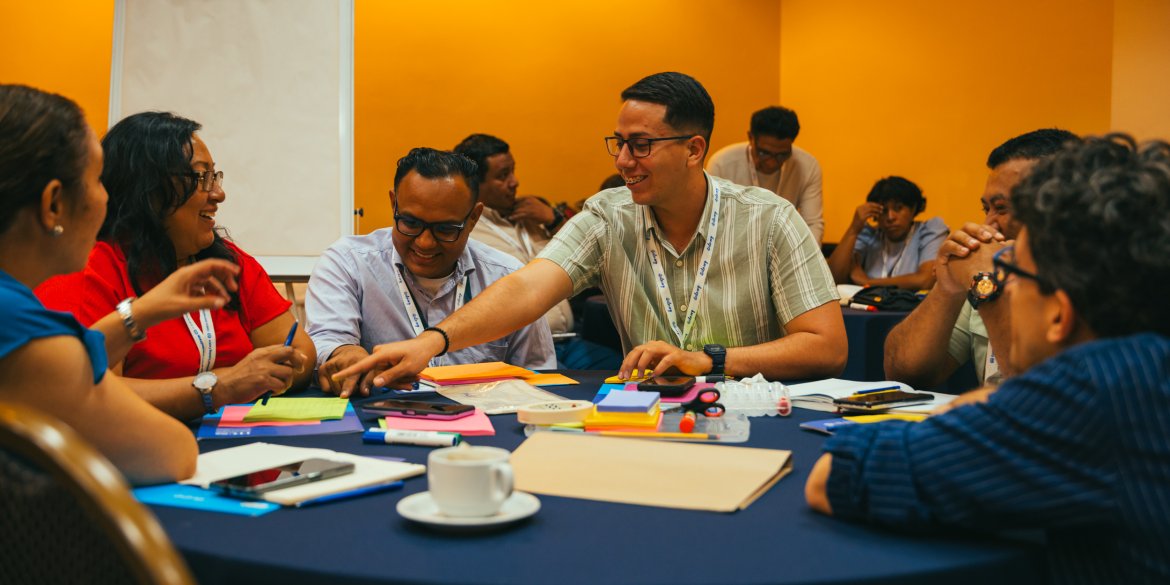
Noelly Castro
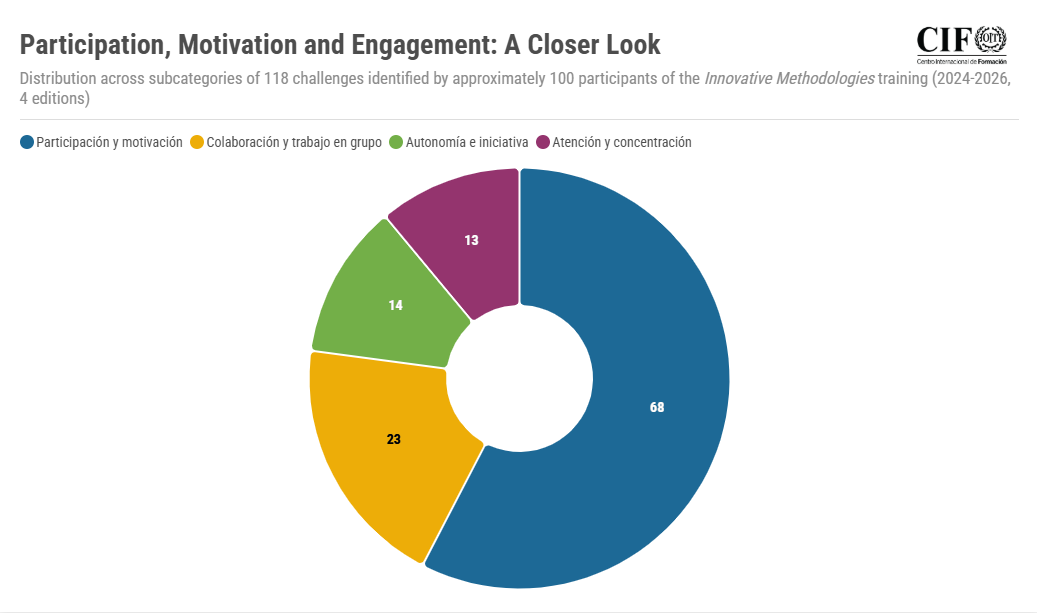
Each edition brought groups with concrete challenges. When mapping the problems participants of the Innovative Methodologies training identified in their own practice, two concerns stood out: how to design better learning experiences and how to get students to genuinely participate and stay engaged, as shown in the charts below.
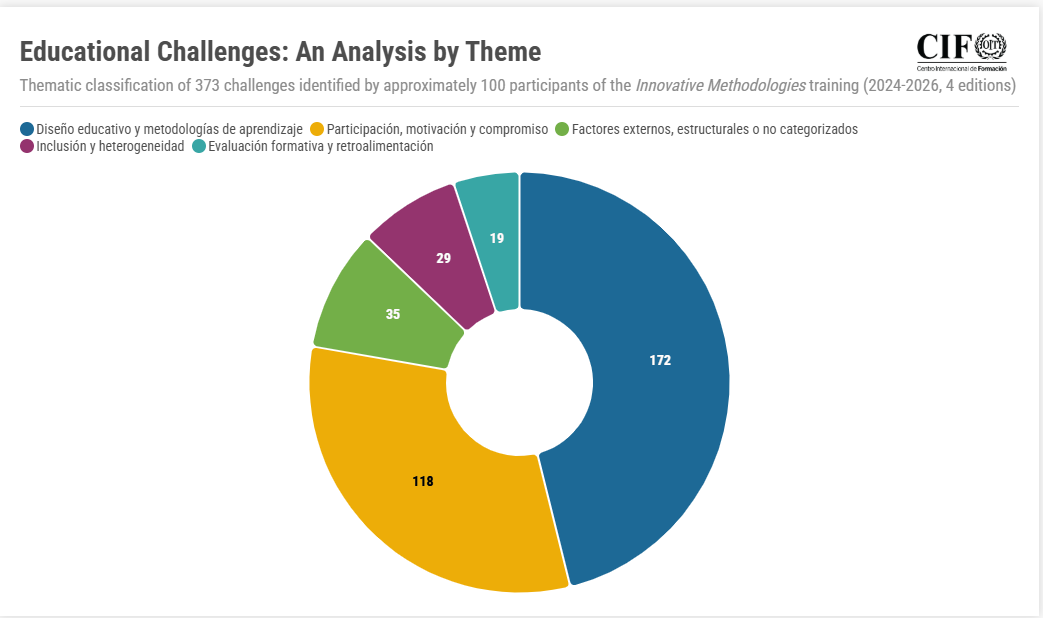
The results of this first chart reveal a strong concentration of issues related to educational design, learning methodologies, and levels of participation and engagement in training processes. The following chart takes a closer look at participation and engagement-related issues, showing a strong concentration of difficulties related to active participation and motivation, followed by challenges linked to collaborative work and group dynamics.
Overcoming these challenges is no simple task. It's not a matter of a shortage of training opportunities – courses addressing today's changing world are emerging everywhere. Too often, though, they bury participants in too much information and ready-made recipes, without the care to prepare them to build and use that new knowledge on their own.
What this reveals is that the real secret lies not in the content, but in the way participants' transformation is guided.
It’s not what we teach, it’s how
The ITCILO programmes delivered through INCAF were built, from the very beginning, on one core premise: information alone is not enough. For an educator to truly change their practice, they need to live the methodology being taught. To feel it in their body. To make mistakes in a safe environment. To receive precise, meaningful feedback.
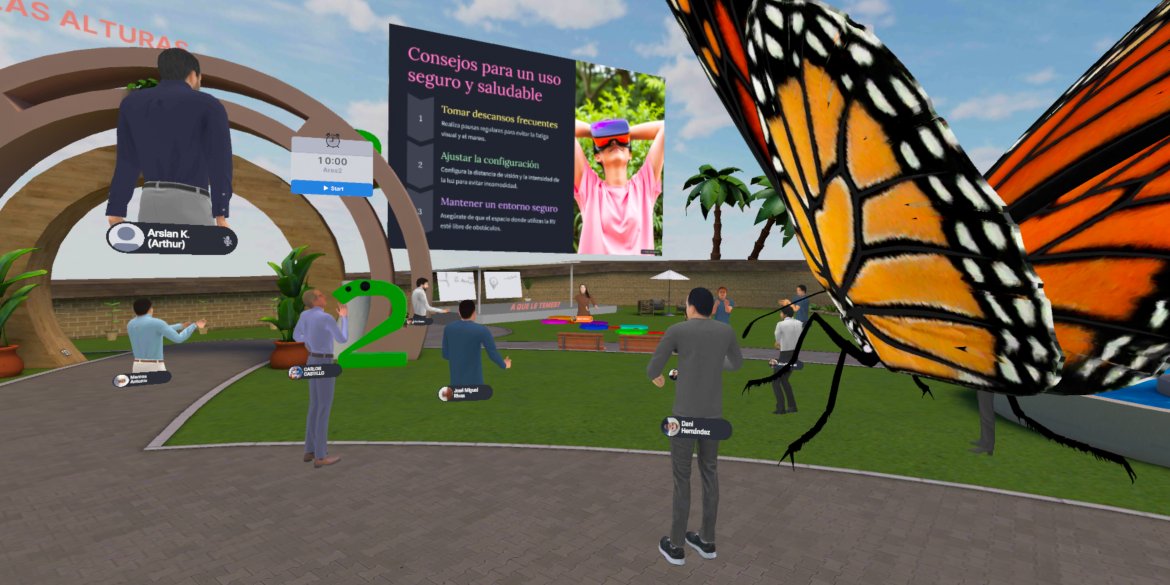
That is why our ToTs were structured around Design Thinking as their central pedagogical framework: participants do not simply learn about it; they move through it as an experience, whether the main theme is virtual reality and AI applied to education or innovative pedagogical methodologies. From the initial empathy stage to the final evaluation, each step of the process is lived and practised, not just explained.
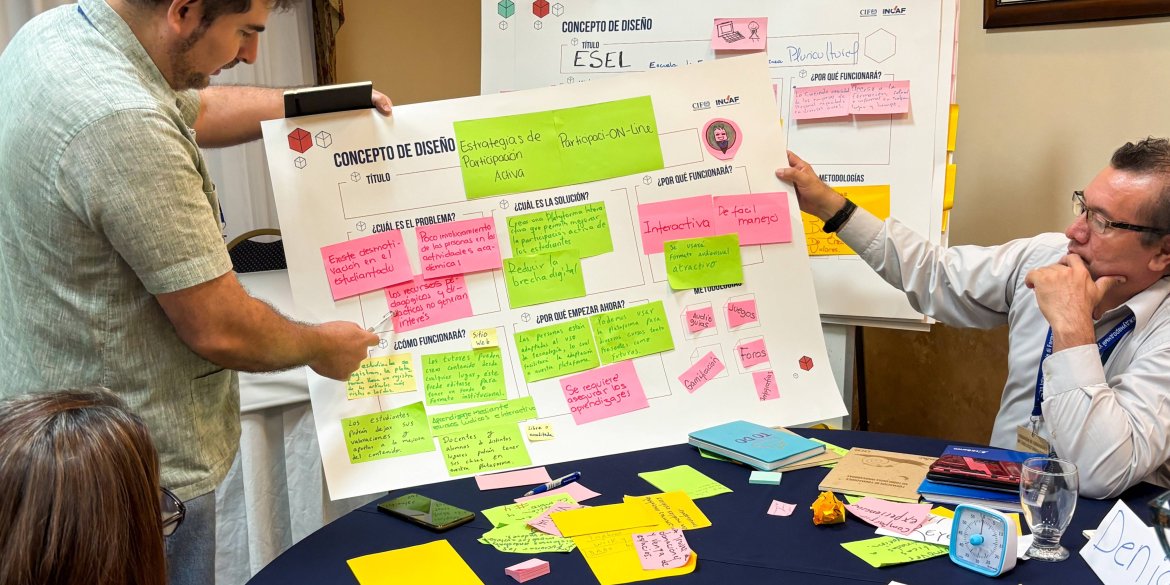
It is a very beautiful experience because we are learning about methodologies through the methodology itself. [...] I could identify that throughout the entire training, we were applying design thinking. So, from empathizing all the way through to evaluating, we lived that entire process, both in person and online.
Elizabeth Gómez
Participant of Innovative Methodologies (Edition 3) and Digital Trainers (Edition 5)
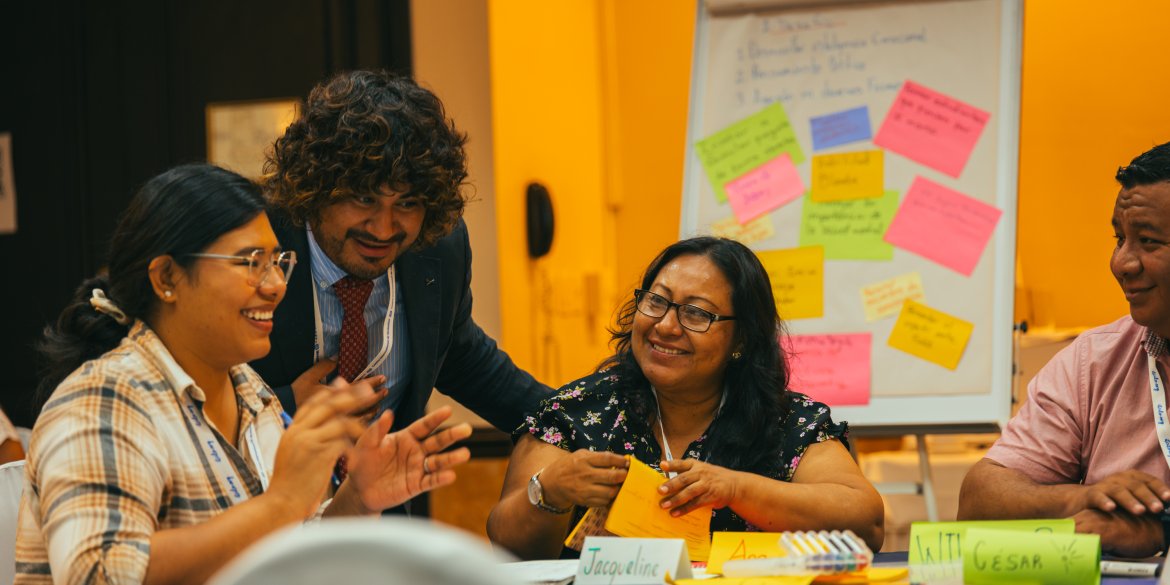
Other unconventional methodological approaches were also added: Slow Learning, Visual Thinking, Embodied Cognition, Foresight Thinking, and Postmortem. In a world where innovation is almost always associated with the latest technology, these methodologies remind us that listening, drawing, looking each other in the eyes, feeling one's own body, reflecting on a journey, thinking about the future are also innovative. They also work and are just as indispensable as any digital tool.
Noelly Castro
These collaborative strategies are part of a broader commitment to human relationships as a path to knowledge construction. In them, participants are not passive recipients: their experiences and reflections shape successive editions, making them active collaborators in a living process. Alongside the participants, a tutoring team accompanies them closely, offering feedback that is honest, precise and grounded. That level of presence and shared construction is not standard, and participants notice.
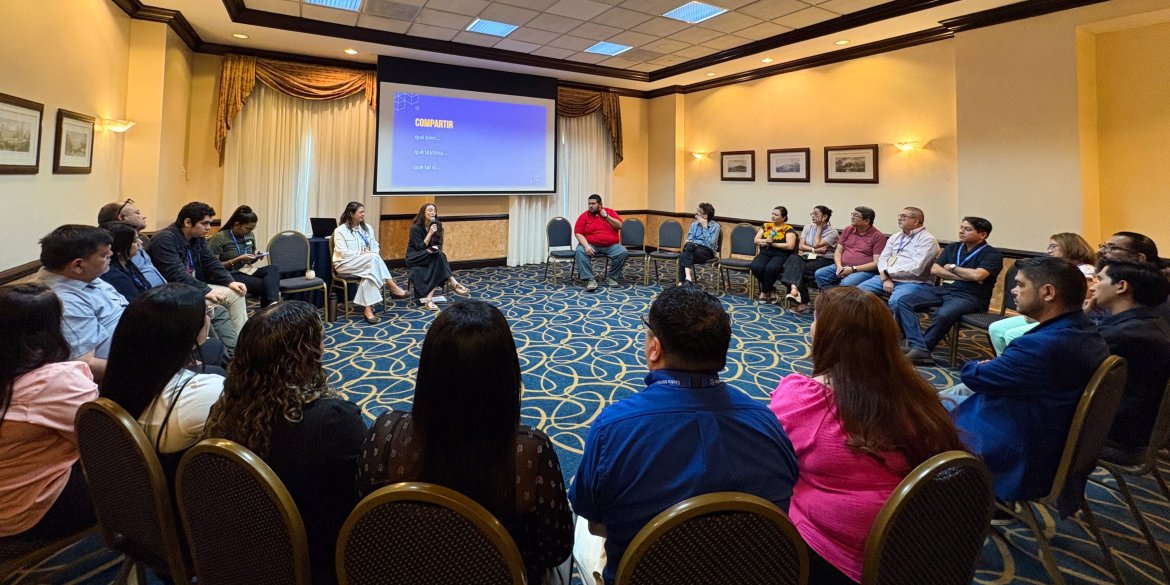
What impacted me the most was the feedback. It was immediate, quick, and you could tell they had actually read what we had done. It was always aimed at improvement.
Andrya Garay
Participant of Innovative Methodologies (Edition 1) and Digital Trainers (Edition 3)
Learning to teach from a new perspective
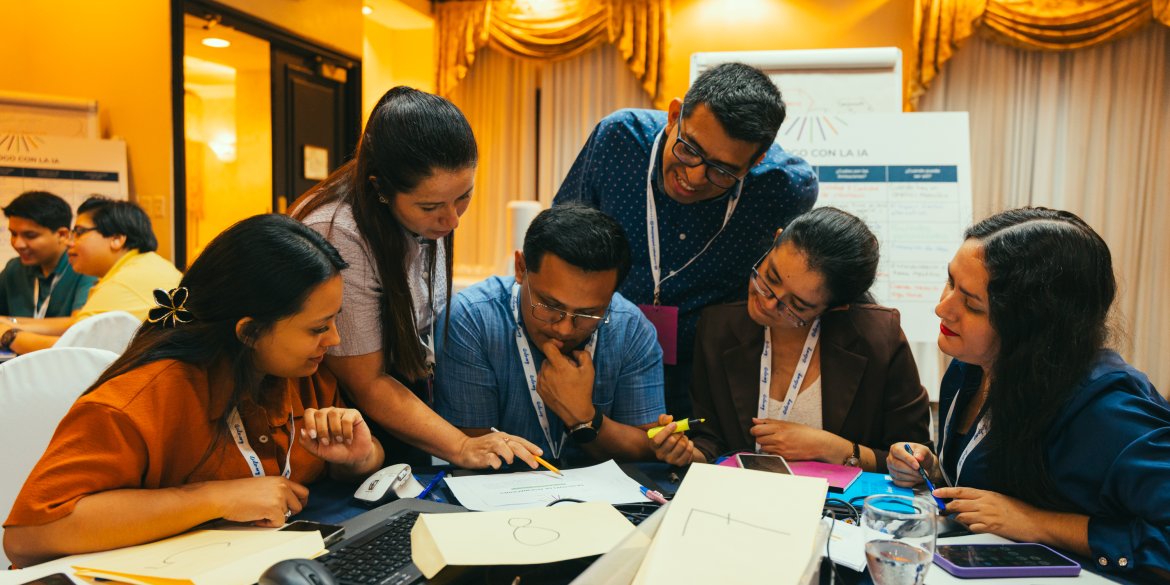
When participants are asked what they take away from our ToTs, many speak above all of a different lens; a new perspective on a practice they have been developing for years. And that transformation shows not only in satisfaction scores, which reach an average of 4.7/5 throughout the editions, but especially in what educators change in their day-to-day: how they redesign their own classes, how they integrate new tools with pedagogical intention, how they begin to see mistakes as part of the learning process, and how they transform their students' experience.
Noelly Castro
With my students, I get to the finance section and say: 'Today we are going to use Visual Thinking. Get out your colours, your paper — we are going to design concepts.' For them, it was like breaking out of a shell.
Andrya Garay
Participant of Innovative Methodologies (Edition 1) and Digital Trainers (Edition 4)
Changes that are at once simple, and a confirmation that a focus on behavioural competencies delivers results and can ripple far beyond the classroom. At the end of the programmes, 9 out of 10 participants believe their organizations will benefit from their participation – a conviction that is confirmed when they return and discover that something has shifted in how others see them.
Noelly Castro
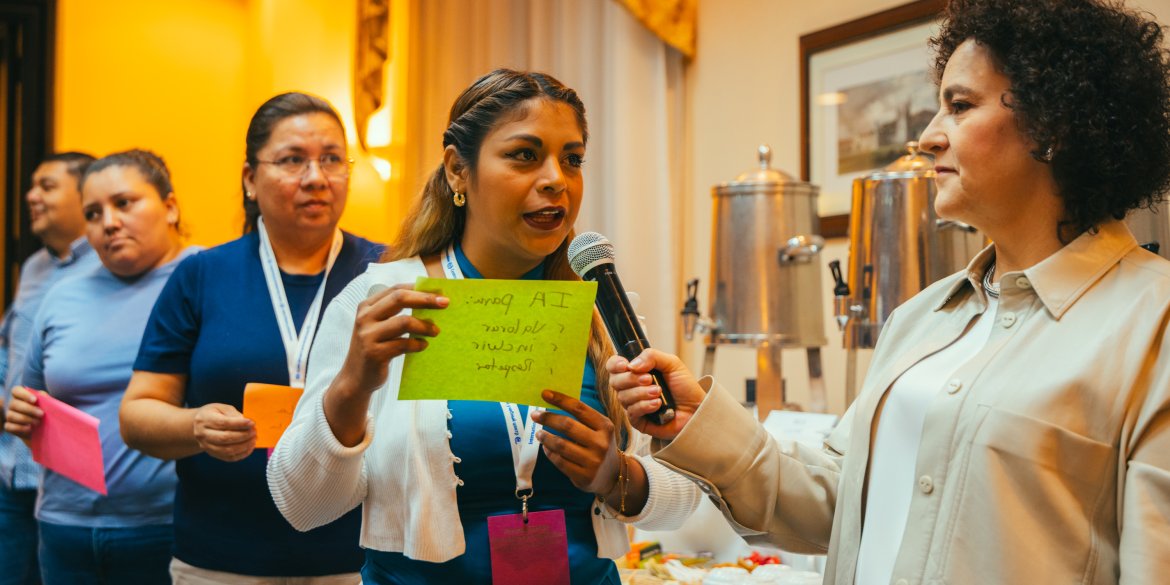
One of the comments I hear most often after the training is: 'Let's ask Eli's opinion, let's ask Eli about training and virtual learning.' Organizations are the ones who are most grateful that we are trained, because they know we are delivering higher quality learning.
Elizabeth Gómez
Participant of Innovative Methodologies (Edition 3) and Digital Trainers (Edition 5)
This change also transforms how they see themselves. Many highlight the surprise of their own progress: the experience of building something from scratch, together with others, and discovering at the end how much was actually created. And with that surprise comes a new confidence – that of someone who knows they can keep learning from their own practice.
The learning is in the journey
El Salvador is investing in its educators. It is choosing to prepare them for the world as it already exists, with programmes designed around their needs and supported every step of the way. And those who have gone through these learning journeys no longer walk in the dark: they know where they come from, what they carry with them, and – above all – that transforming their own practice is possible.
You have to unlearn in order to learn. These methodologies take time; you have to sit with them. But the result you get when you live them alongside your participants is that they truly reach the person, the human being. I have seen changes in a matter of days, in a single session.
Salvador Monroy
Participant of Innovative Methodologies (Edition 3) and Digital Trainers (Edition 5)
This journey does not end here. It is a path that opens up, that branches out, that invites continued exploration in El Salvador and beyond.
Because when education is transformed from within – from those who teach – the effects reach far. And in a world that never stops, that kind of transformation is exactly what we need.


