Compensating for Land is Only the Beginning
Compensating for Land is Only the Beginning
Practitioners from government agencies, development finance institutions, and consulting firms explore practical approaches to land acquisition, resettlement, and safeguards implementation.
23 juillet 2026
ITCILO
Across developing and emerging economies, land lies at the heart of development. Roads, energy systems, urban expansion, and climate-resilient infrastructure all depend on it. Yet land is never only a physical space. For many individuals and communities, it represents livelihoods, identity, cultural heritage, and a deep sense of belonging.
When development projects require land acquisition, the implications go far beyond technical procedures or compensation frameworks. They touch people’s lives in ways that are often long-lasting and complex. Ensuring that such processes are carried out fairly and responsibly remains one of the most challenging dimensions of sustainable development.
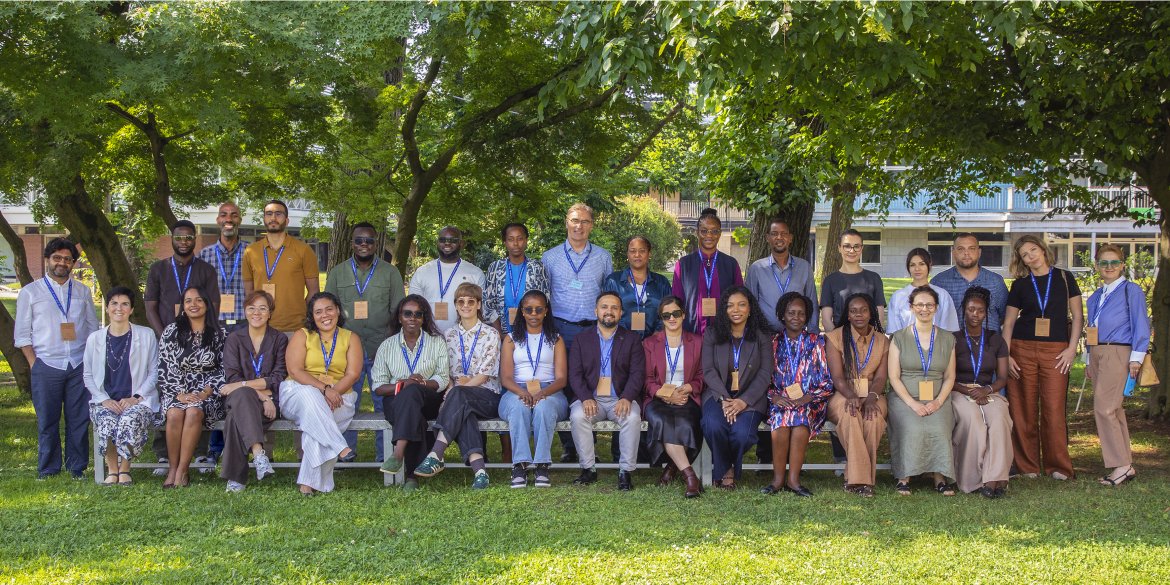
It is within this context that ITCILO recently convened a training course on Practical Approaches to Land Acquisition, Resettlement, and Safeguards in Multilateral Development Banks (MDBs) Supported Operations, bringing together 27 practitioners from 15 countries, drawn from government institutions, consulting firms, and development finance institutions. The course strengthened participants’ understanding of critical frameworks and standards, and it also created a space for peer learning and reflection on how these principles are applied in practice across diverse operational contexts.
Understanding a Complex Reality
While safeguard frameworks provide important guidance, practitioners often work in contexts where implementation is far more complex than policy documents alone can capture. Legal systems may intersect with customary tenure arrangements, affected people are rarely a single uniform group, and project timelines may place pressure on consultation, planning, and long-term monitoring.
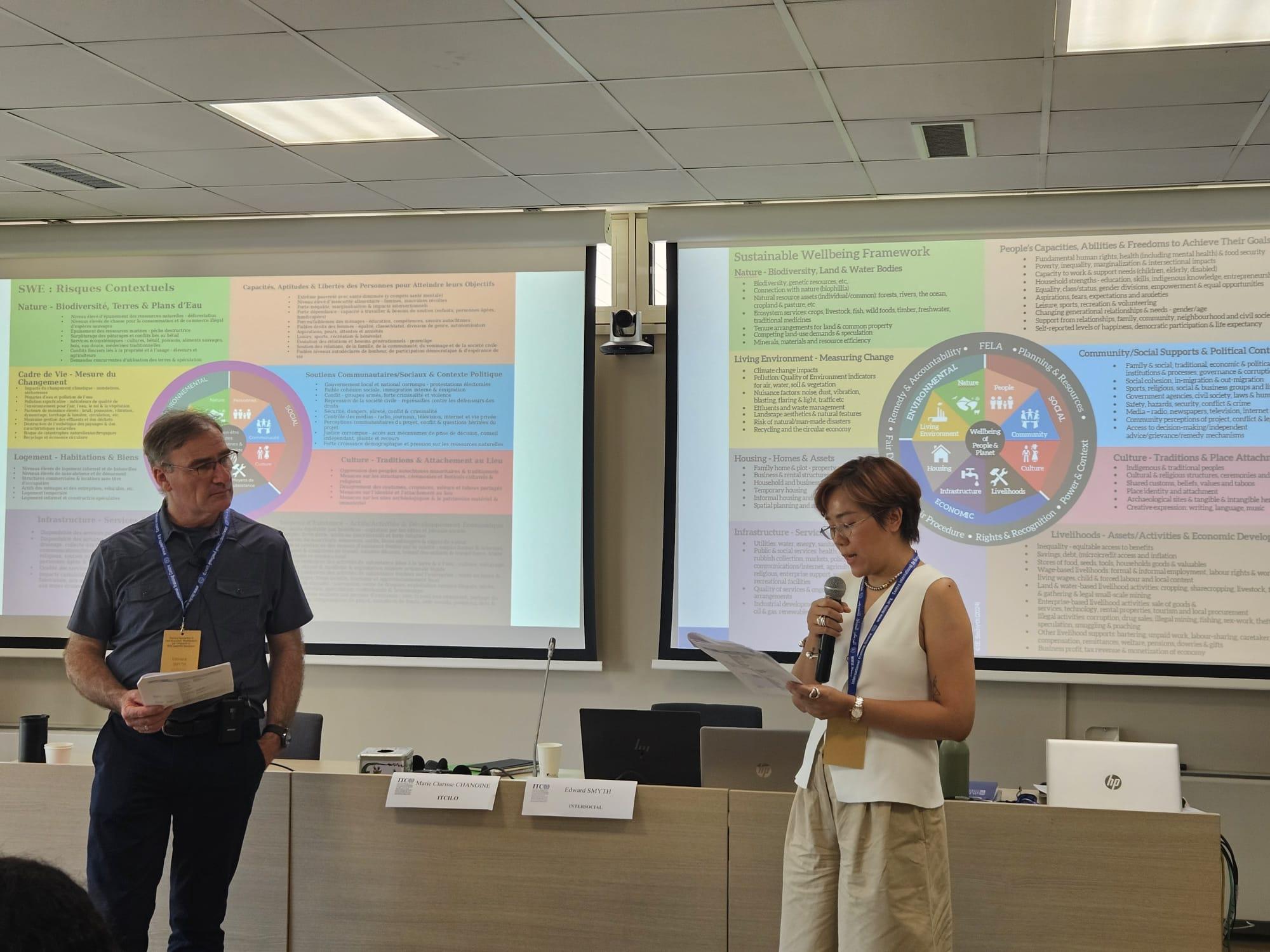
Much of the discussion during the week was framed by the Sustainable Wellbeing Framework, which looks beyond whether a transaction has been completed correctly and asks whether the people affected are able to live well afterwards. That question shaped how participants approached the topics that followed.
For Michael Jackson Amiani, Senior Valuer at Kenya’s Ministry of Lands, Public Works, Housing and Urban Development, these challenges are familiar. Kenya is implementing major infrastructure projects financed by international development partners, where national legislation and international safeguard requirements do not always align seamlessly.
He joined the course seeking practical solutions to questions that frequently arise in his work, including how to address compensation in areas without active land markets, how to manage issues involving informal settlers, and how to prevent speculative claims after projects are announced.
This course completely shifted my perspective from purely financial compensation to holistic livelihood restoration.
Michael Jackson Amiani
Senior Valuer at Kenya’s Ministry of Lands, Public Works, Housing and Urban Development
For a professional trained primarily in valuation, this represented a significant shift. Discussions on compensation, entitlement frameworks, and livelihood restoration highlighted that fair compensation alone does not necessarily ensure positive outcomes. Without adequate support, affected households may struggle to rebuild livelihoods, secure new land, or adapt to changing environments.
Resettlement as a Continuing Process
For practitioners working directly on resettlement planning and implementation, another key insight from the course was the importance of viewing resettlement not as a one-off activity, but as a long-term process.
Rachel Kelly Noupa Ndoumgny is a sociologist with URBACONSULTING, currently involved in implementing Resettlement Action Plans in both the Republic of the Congo and Cameroon. She attended the training to strengthen her expertise in consultation processes, entitlement frameworks, and livelihood restoration.
The key takeaway that resonates with her professional practice is that resettlement is a long-term process requiring foresight, tailored expertise, and rigorous monitoring. This observation also highlights a challenge frequently encountered across development projects. While significant attention is often devoted to planning and compensation, long-term support and follow-up may receive less focus because of resource constraints or implementation pressures.
The training provided her with practical insights into designing livelihood restoration measures that extend beyond short-term interventions.
The training highlighted the need to go beyond traditional training by integrating post-training support, coaching, and assistance in accessing financing, with medium-term follow-up.
Rachel Kelly Noupa Ndoumgny
Sociologist at URBACONSULTING
These perspectives underline a central message shared throughout the training: the success of resettlement is not defined by relocation itself, but by whether people are able to rebuild their lives over time.
Bridging Policy and Practice
The course also drew practitioners like Celina Pentamah, Compliance Associate at the European Bank for Reconstruction and Development’s Independent Project Accountability Mechanism (IPAM).
Unlike many participants who work directly on project preparation and implementation, Celina often engages with land acquisition and resettlement issues after concerns have been raised through complaints and compliance reviews. Her motivation for attending the course came from a wish to understand how safeguard risks are identified, managed, and mitigated before problems emerge, and why gaps between policy and implementation arise so often.
It was important to understand not only the formal safeguard requirements of land acquisition and resettlement, but also the discretion, judgment, and trade-offs involved in their implementation across different contexts.
Celina Pentamah
Compliance Associate at EBRD
Through in-depth analysis of real cases and exchanges with practitioners from different institutions and regions during group discussions, she gained valuable insights into the operational realities that can influence safeguard implementation. Discussions throughout the course highlighted the complexity of applying policy requirements in situations where legal, social, and operational considerations intersect.
“Despite institutional constraints, we all have a degree of agency in how these frameworks are applied in practice, whether in shaping project design, interpreting requirements, or engaging with affected communities.” - Celina Pentamah, Compliance Associate at EBRD
For Celina, this was one of the key lessons of the course: policies and procedures set the boundaries, but outcomes depend a great deal on how thoughtfully practitioners use the space within them. The course gave her a better understanding of how gaps between policy and practice emerge, and of how lessons from implementation can strengthen both project design and accountability mechanisms on the Bank’s side.
Strengthening Safeguards Practice
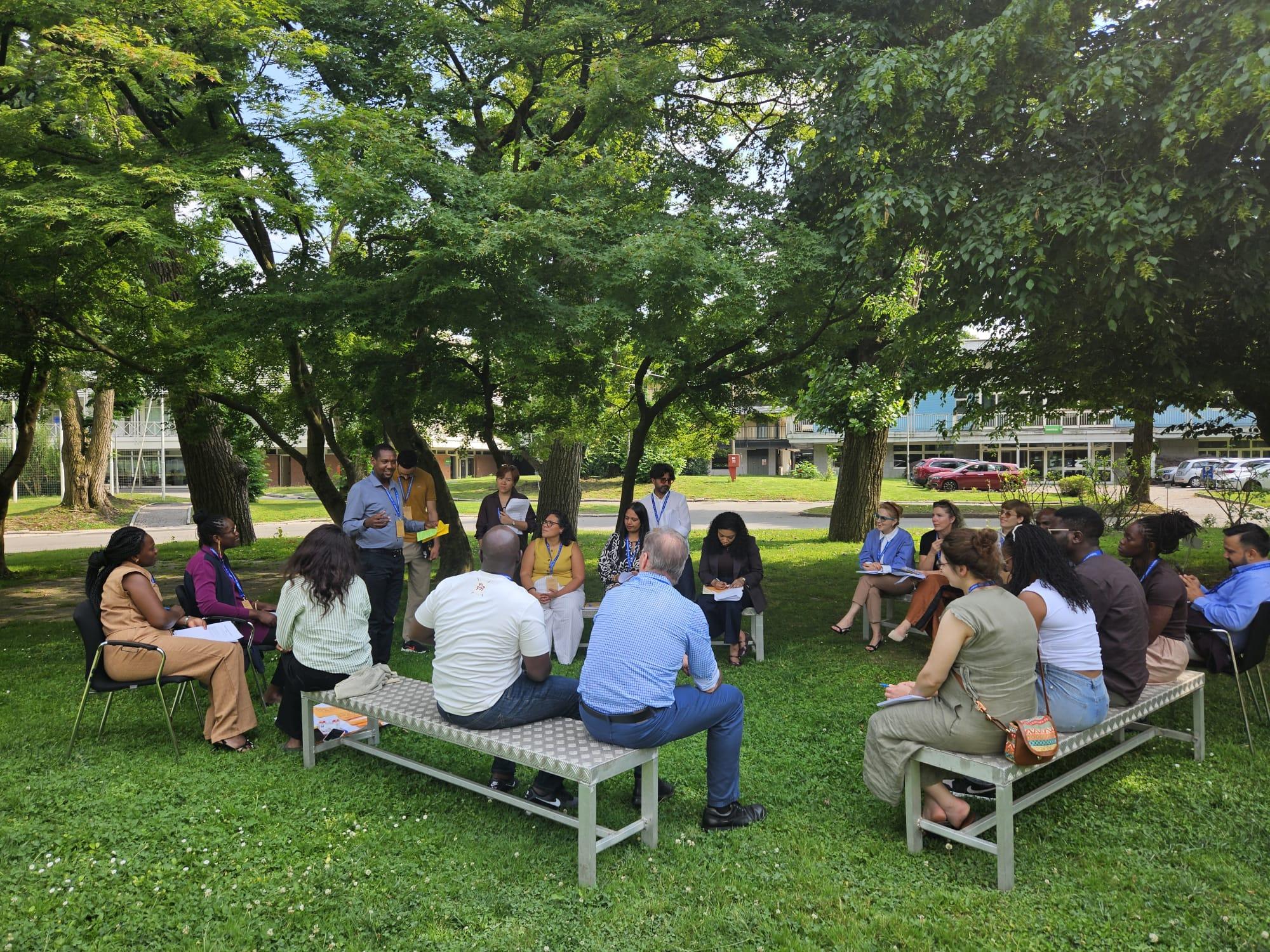
Throughout the week, conversations repeatedly returned to a common theme: effective safeguards implementation requires more than technical knowledge. It demands continuous learning, meaningful engagement with communities, sensitivity to local contexts, and a willingness to look beyond immediate project outputs toward long-term social outcomes.
The diversity of perspectives proved to be one of the course’s greatest strengths. Because land acquisition and resettlement involve a wide range of interconnected disciplines, from land governance and valuation to community engagement, livelihood restoration, and social inclusion, practitioners often approach challenges through the lens of their own professional backgrounds. By bringing together professionals from diverse disciplines and regions around a shared framework, the course created a space that enabled participants not only to explore practical solutions, but also to challenge assumptions, uncover blind spots, and identify risks that might otherwise go unnoticed until they emerge during project implementation.
As development investments continue to expand across the globe, the need for practitioners who can navigate these complexities has never been greater. ITCILO aims to strengthen the capacity needed to translate safeguard principles into practice, and to help ensure that development is not only efficient and effective, but also inclusive, equitable, and sustainable.
Because when land is acquired for development, what is ultimately at stake is far more than land itself. It is the wellbeing, dignity, and future of the people who live on it.


