
Exploring the Frontier of Humanoid & Semi-Humanoid Robots
Exploring the Frontier of Humanoid & Semi-Humanoid Robots
Inside the rise of humanoid robots and what human-centred AI means for learning and the future of work.
28 Gennaio 2026
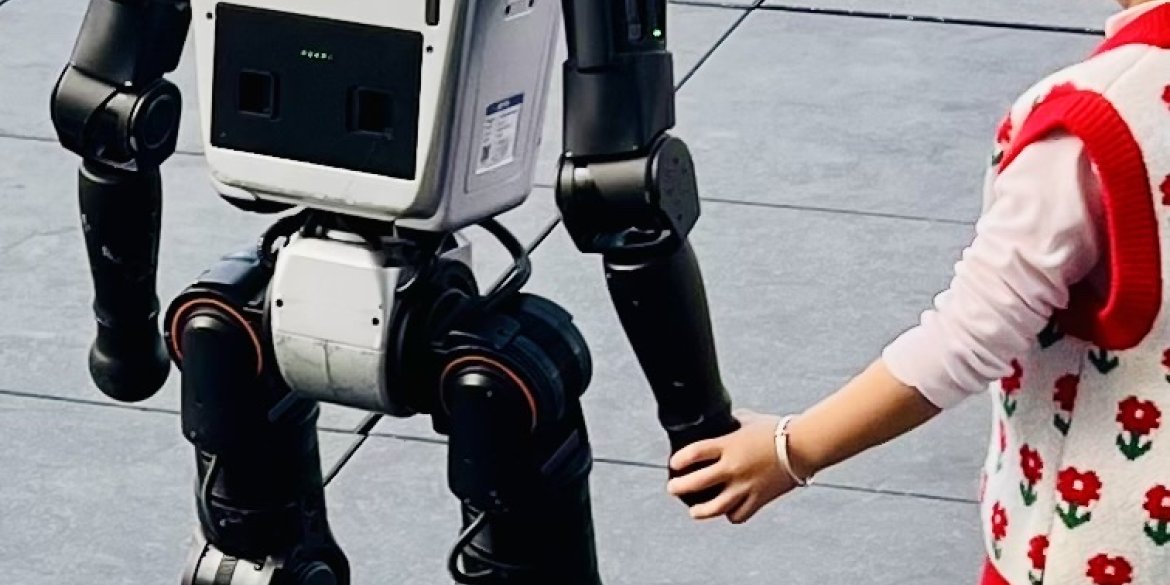
ITCILO
At the International Training Centre of the ILO (ITCILO), we believe that emerging technologies are not just advancements in tools but opportunities to reinvent how people learn, collaborate, and build equitable futures of work. As part of our commitment to innovation in capacity development, we have been exploring how robots powered by Artificial Intelligence can extend human capabilities and enrich adult learning experiences. This exploration sits at the intersection of artificial intelligence, embodied robotics and future learning — a core theme under ITCILO’s Emerging Technologies agenda.
Action Research: RobotGPTs and the Future of Learning
In early 2025, ITCILO launched a focused action research project to investigate the compounding impact of AI and robotics on the future of learning — with a special focus on RobotGPTs. These are robotic systems in which large language models drive high-level reasoning, conversational interaction, and planning — bringing robots closer to being intuitive partners in learning and collaboration. The research brief, The Compounding Impact of Artificial Intelligence and Robotics on the Future of Learning: Focus on RobotGPTs, captures exploratory findings about the feasibility and potential applications of these systems in adult learning contexts:
-
enhancing multilingual instruction and real-time translation,
-
enabling contextual learning and adaptive support,
-
facilitating group engagement and remote collaboration, and
-
integrating physical interaction with AI-driven insights.
While many RobotGPT technologies remain in early development, the research highlights their potential to complement — not replace — human trainers and to open new avenues for inclusive, human-centred education.
On the Ground in Shenzhen: Tech, Robots and Global Innovation
To deepen our understanding of robotics innovation ecosystems, ITCILO researchers travelled to Shenzhen, China — a global hub for artificial intelligence and robotics development.
Shenzhen’s vibrant tech landscape, often described as a Robot Valley, brings together startups and established firms pushing the boundaries of humanoid and semi-humanoid robotics. The city’s ecosystem — home to hundreds of robotics companies producing advanced AI-enabled machines — offered first-hand insights into how robotics innovation is rapidly accelerating in both research and industry settings.
During the visit, our team engaged with cutting-edge humanoid platforms and sensor-integrated systems, exploring how embodied AI agents are shaping real-world applications: from collaborative manufacturing to interactive learning experiences. Alongside this, it considered the implications for capacity development practitioners worldwide.

"The future is now and we need to embrace inevitable change but do this in a responsible and informed manner.”
Andreas Klemmer, Director of Training, ITCILO
A Global Conversation: Humanoid Robots, Industries and the Future of Work
In December 2025, ITCILO hosted a global webinar dedicated to the emerging role of humanoid and semi-humanoid robots and their implications for learning, industries and the future of work. The event brought together over 100 participants from across the world, with attendees connecting from Asia and Pacific, Africa, Europe and Central Asia and the Americas.
The audience reflected the diversity of the topic itself: representatives from the United Nations system, academic and research institutions, innovation labs, private sector companies, and technology practitioners joined the discussion. This diversity enabled a rich dialogue from multiple perspectives on how embodied AI and robotics are already reshaping economic sectors, and the implications for skills development, governance, and decent work.
The webinar explored the impact of humanoid robots across multiple industries, combining concrete use cases with broader policy and labour market reflections. A dedicated session focused on a specific application within the care sector, featuring insights from the Innovation Lab of Intesa Sanpaolo (Italy), which showcased how humanoid and assistive robots are being tested to support patient care, rehabilitation and human-machine collaboration in sensitive, high-trust environments.
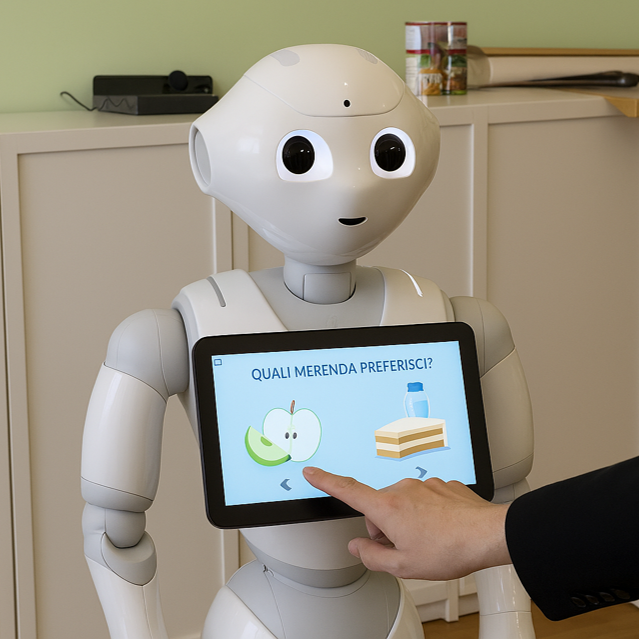
The Robot Pepper supporting exercise and engagement in the care sector.
Photo credit: ITCILO at Intesa San Paolo Innovation Lab Centre.
Another industry lens examined the banking and financial services sector, with contributions from Digit (China), highlighting how humanoid and semi-humanoid robots are being integrated into customer interaction, service delivery and internal operations. These features raise questions about efficiency, human oversight and the redefinition of service roles.
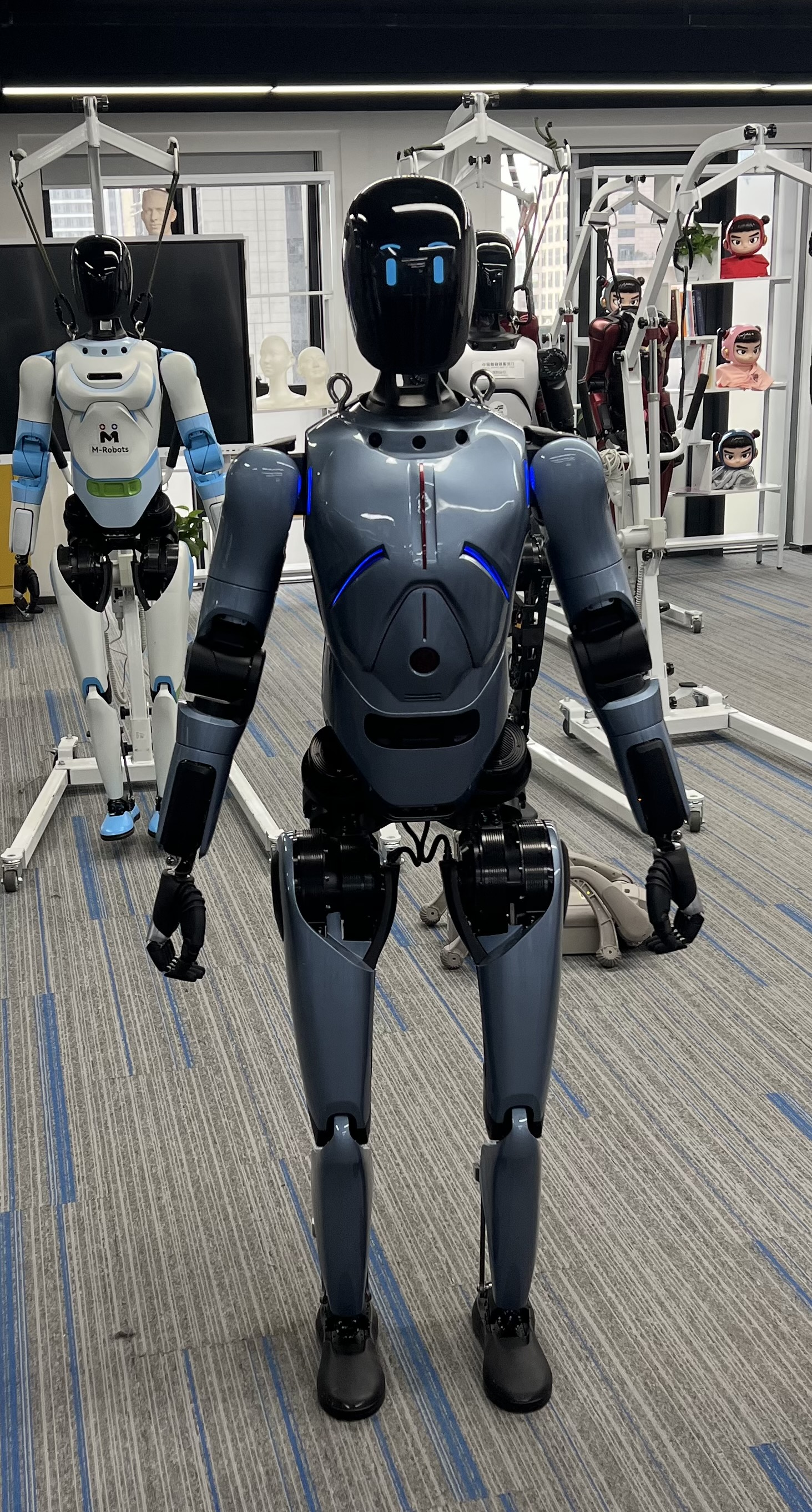
Robot developed by Digit interacting with ITCILO staff members during the study visit.
Photo credit: ITCILO at Digit, Shenzhen (China)
Anchoring these sectoral perspectives, the ILO lens provided a critical reflection on the implications for the world of work. Discussions addressed the potential impacts on job roles, skills requirements, occupational safety and health, and the importance of governance frameworks that ensure technological innovation remains aligned with the principles of decent work and social justice.
Rather than framing humanoid robots as a distant future, the webinar positioned them as an emerging, tangible technology — one that requires early dialogue, experimentation and capacity development. The exchange reinforced ITCILO’s role as a neutral space where technology, policy and learning communities can jointly explore how innovation can be shaped to serve people, institutions and societies.
Looking Ahead: Human-Centred Innovation
As part of ITCILO’s ongoing Emerging Technologies work, our journey with robotics is just beginning. By combining rigorous research, immersive field engagement and inclusive dialogue, we aim to bridge technological innovation with social impact — supporting meaningful capacity development pathways that centre both people and ethics.
Stay tuned to ITCILO’s Emerging Technologies stories to discover how we continue exploring the future — where machines and humans learn together. For more information, contact us at tdir@itcilo.org
Robotics Course and News
From 14 to 28 April 2026, we held our first course on humanoid and semi-humanoid robots and the future of work, exploring a future where machines and humans collaborate. This informative course examined the real-world impact of AI-powered robots, exploring them as foundational and emerging technologies that are currently shaping the future of work and learning. The course incorporated a combination of interactive webinars, curated reading material, and short, self-paced learning activities. Our partners for this course were the World Bank, the private sector (Pollen Robotics, Digit International Co. and Oversonic), the International Labour Organization (ILO) and the international keynote speaker Dado Van Peteghem.
More than 35 participants gained the knowledge and confidence needed to engage in informed discussions about humanoid and semi-humanoid robots and the future of work. They explored the opportunities and risks involved, and are now part of a cohort that can contribute to forward-looking reflections on how emerging technologies can be shaped, rather than simply adopted, in a responsible and inclusive way.


