
Strengthening Labour Administration: Validation of the New Indicators Framework
Strengthening Labour Administration: Validation of the New Indicators Framework
Global experts convene to validate a new framework for effective, accountable and inclusive labour administration.
4 Dezembro 2025
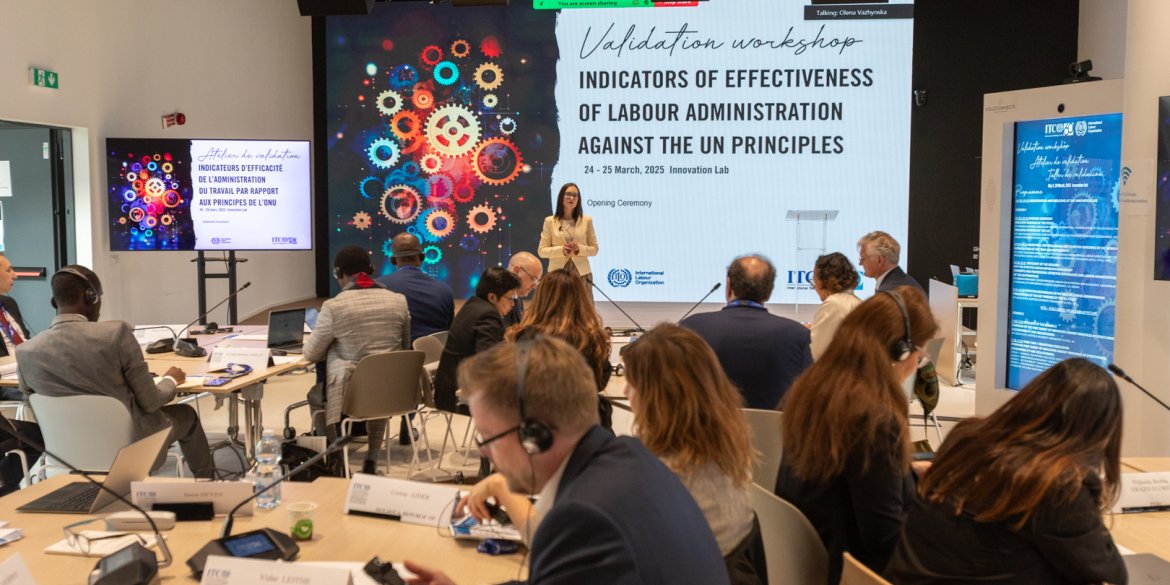
Turin, Italy – March 2025
On 24–25 March 2025, the International Training Centre of the ILO (ITCILO), in collaboration with the International Labour Office (ILO), hosted a high-level validation workshop to assess and refine indicators of effective governance in labour administration against the UN principles. The event brought together senior officials and specialists, and representatives from ILO Member States across regions to engage in high-level dialogue, share experiences, and explore practical ways to improve the effectiveness, accountability and inclusiveness of labour administration systems.
As we gather here, we are reminded of the critical role that labour administration plays in safeguarding and promoting fundamental principles and rights at work and other labour rights.
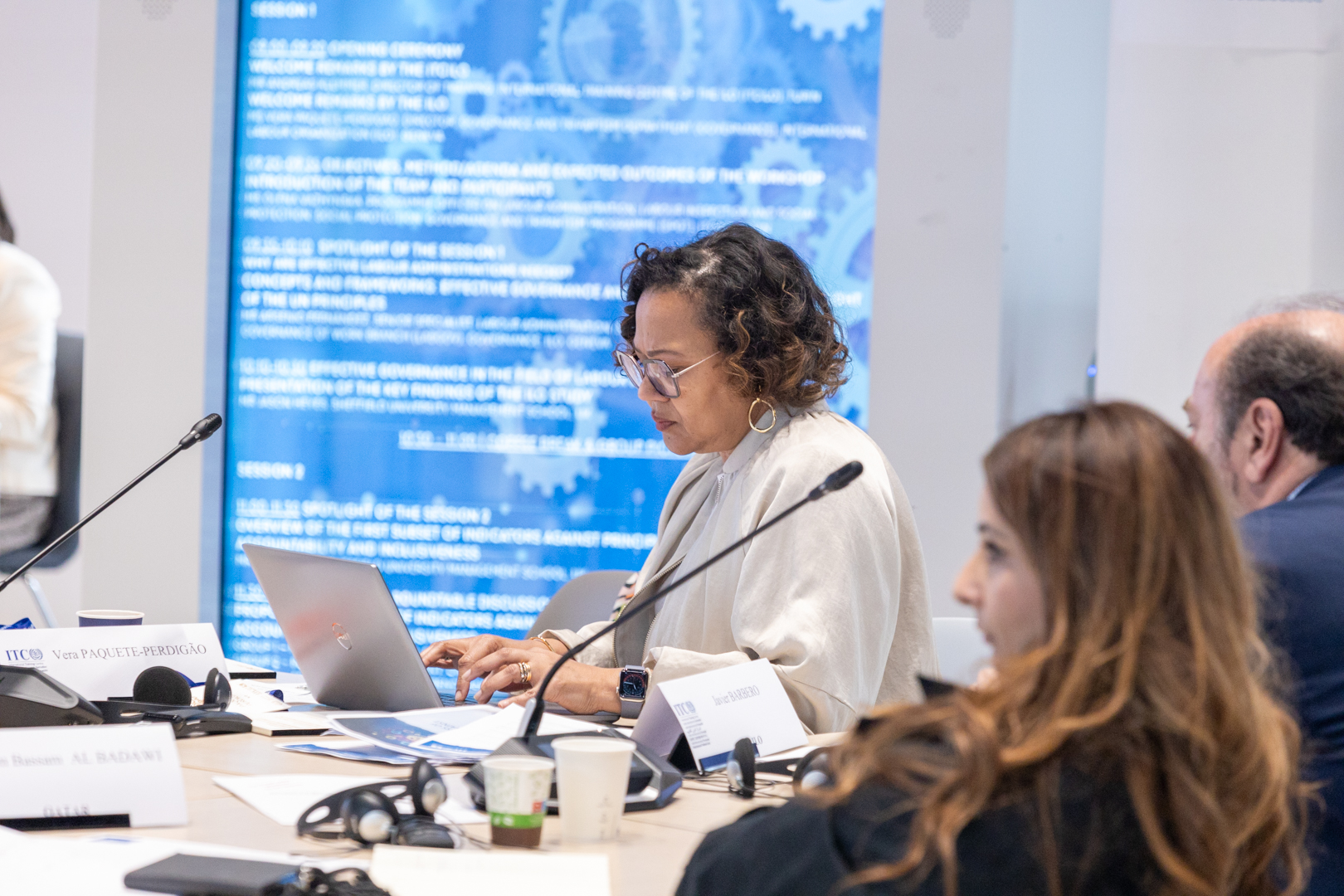
Ms. Vera PAQUETE-PERDIGÃO
Department Director, GOVERNANCE, ILO HQ, Geneva
A Platform for Dialogue and Validation
Building on the ILO’s recent study on Indicators and Methods for Measuring Effective Governance in the Field of Labour Administration, the workshop served as a pivotal moment to test, discuss, and refine tools designed to assess national governance effectiveness. The indicators draw on the UN’s 11 Principles of Effective Governance for Sustainable Development, grouped under the pillars of effectiveness, accountability, and inclusiveness.
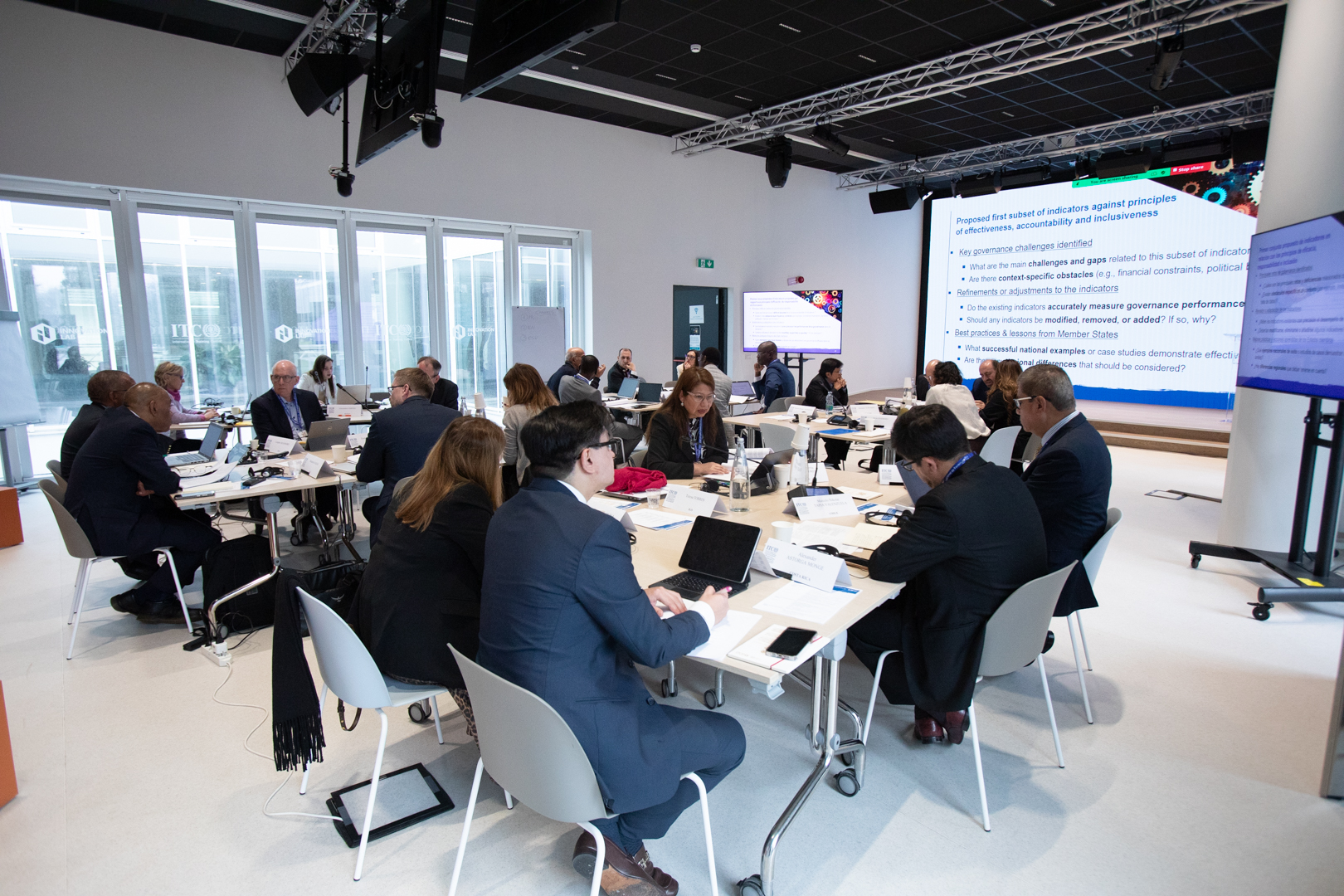
Participants engaged in dynamic discussions, reviewing three subsets of indicators:
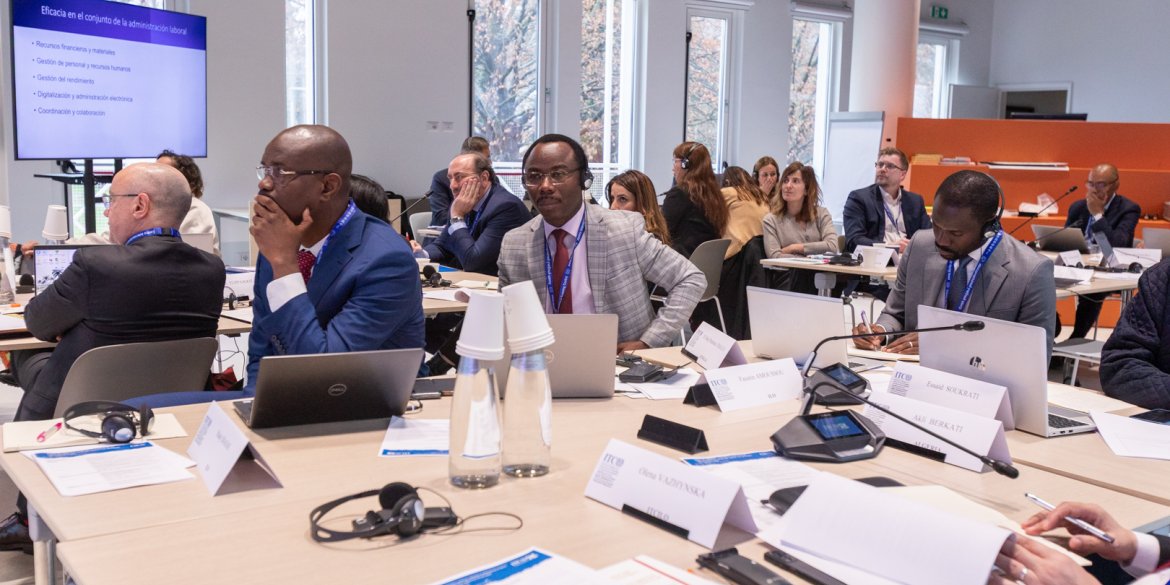
- Governance of labour administration as a whole (resources, staffing, performance management, digitalization, coordination);
- Specific services and functions (labour inspection, public employment services, research, social dialogue);
- An integrated index for self-assessment based on five dimensions: legal framework, institutional setup, effectiveness, accountability, and inclusiveness.
This workshop marked a culmination of our collective effort to define what effective governance in labour administration truly means, and the beginning of a new chapter in how we learn, measure and strengthen it. The indicators validated here will not remain on paper; they will inspire and inform the next generation of our learning solutions— empowering institutions worldwide to lead with integrity, accountability and impact.
Olena Vazhynska
Programme Officer - Labour Administration, Labour Inspection and Social Protection, SPGT, ITCILO
A Collaborative Learning Experience
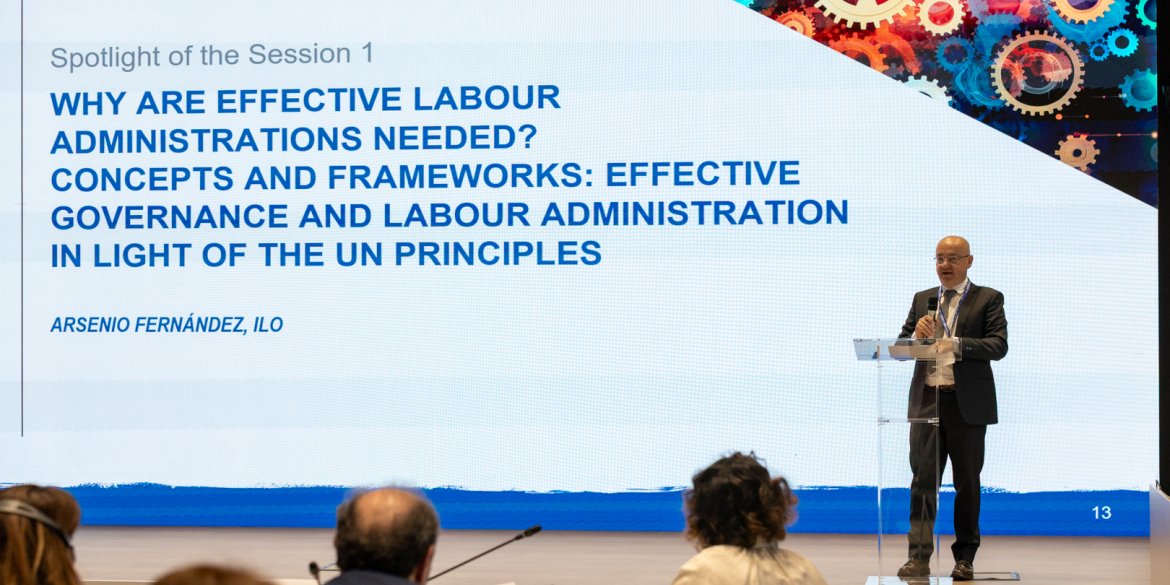
The workshop featured a blend of spotlight sessions and participatory “think tank” discussions. Experts including Prof. Jason Heyes (University of Sheffield), Mr Javier Barbero (Team Lead, Labour Administration and Labour Inspection, LABGOV, GOVERNANCE, ILO-Geneva), and Mr Arsenio Fernández (Sr. Specialist, Labour Administration, LABGOV, GOVERNANCE, ILO-Geneva) presented the study’s findings and facilitated exchanges with participants. These sessions were enriched by real-world examples from national administrations and the sharing of diverse governance challenges.
It has been really a great exercise that has been very useful for us — I hope also for them — in order really to exchange experiences, practices, views, and how we can really serve our constituents better. The exercise has been really excellent, in my opinion.
Mr. Javier BARBERO
ILO HQ, Geneva, Team Lead, Labour Admin & Labour Inspection, LABGOV, GOVERNANCE
Notably, the workshop concluded by validating the proposed governance index and suggesting refinements for national applicability. Delegates highlighted the importance of tailoring the indicators to different political, economic, and institutional contexts while ensuring they remain aligned with international standards.
Advancing the SDGs through Better Governance
The workshop underscored the role of robust labour administration systems in advancing SDG Target 8.8 (protecting labour rights) and Target 16.6 (developing effective, accountable and transparent institutions). Discussions also explored how better governance can address contemporary challenges such as digitalization, informality, and social equity.
I dare to say that it has been beyond our expectations, as all the participants proved to be not only really interested but also knowledgeable. And I would say that all remarks and comments have been more than well received. I'm certain that the study will benefit from taking into account all the remarks made by both the specialists from the ILO in the field and, above all, from the practitioners from the different countries that have agreed to participate in this joint exercise.
Mr. Arsenio FERNÁNDEZ
ILO HQ, Geneva, Sr Specialist, Labour Administration, LABGOV, GOVERNANCE
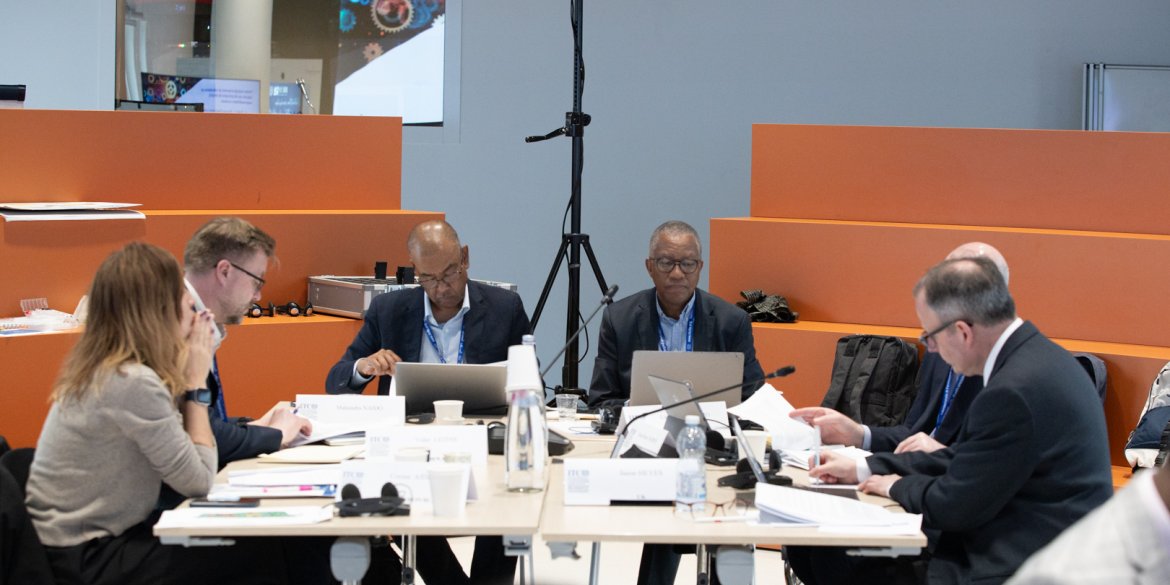
The study looks at the UN Principles of Effective Governance, which are intended really to promote effective governance in the domain of public administration.
Mr. Jason Frederick HEYES
Sheffield University Management School
In the closing session, Ms Vera Paquete-Perdigão (Director, GOVERNANCE Department, ILO-Geneva) commended participants for their contributions and reaffirmed the ILO’s commitment to supporting capacity development and knowledge sharing in the governance of work.
Looking Ahead
The feedback and insights collected during the workshop will directly inform the final version of the ILO’s indicator framework and its broader dissemination.
We are proud that the Turin Centre has been part of this important milestone in the global dialogue on labour administration. The validation of the new indicators’ framework reflects the Centre’s continuous commitment to evidence-based capacity development and innovation in learning. We will continue to work with our partners to design forward-looking training solutions that help institutions strengthen their governance, deliver on their mandates, and make decent work a reality for all.
Andreas Klemmer
Director of Training, International Training Centre of the ILO (ITCILO)
As the world of work continues to evolve, this workshop represents a major step in ensuring that national labour administration systems remain resilient, responsive, and rooted in principles of good governance.
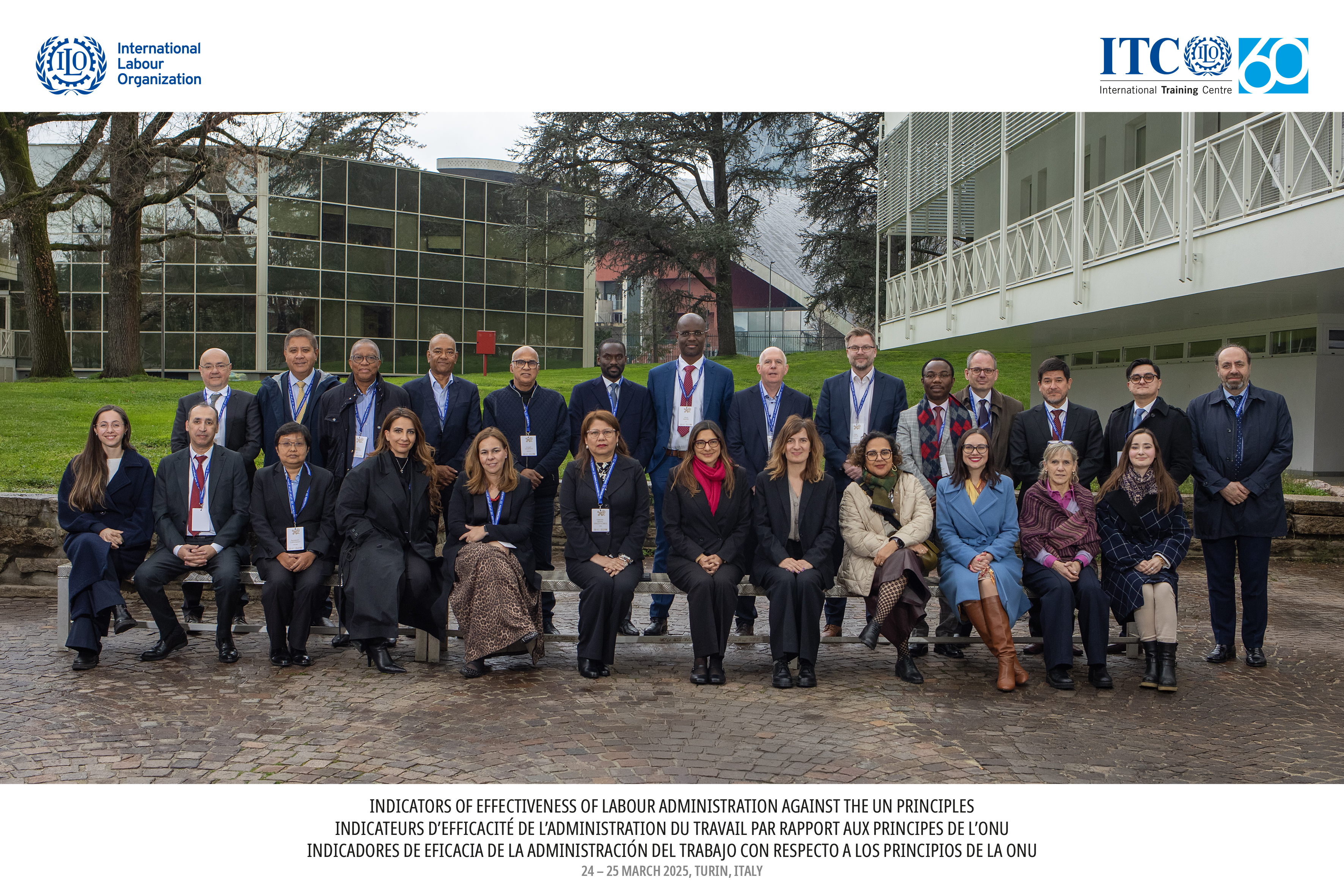
Voices from participants:
I believe they [the indicators] are highly relevant, as they address, in a comprehensive manner, the main issues related to labour administration. Effectiveness is one of them: there is much discussion and interest among ministries of labour in exploring how to strengthen competencies and build the capacities of public officials. All of this is linked to the first major pillar of efficacy or effectiveness outlined in the study.
Ms. Teresa TORRES
, Specialist, Labour Law and Labour Administration, ILO, DWT/CO-Lima - RO-Latin America and the Caribbean
Moldova is an EU candidate country. Our number one objective for the coming years is to become a member of the European Union. And labour market institutions are very important — you know, we have to bring them up to European standards. And these indicators are really going to help us achieve that and guide us as we continue to add new dimensions and go into more depth in building these different pillars that make up effective institutions. So, definitely a useful tool, and we will continue to be guided by them.
Ms. Corina AJDER
Social Affairs Advisor to Prime Minister, Prime Minister's Office of the Republic of Moldova
…the indicators are useful, and you need to see them in comparison. They are very good for enabling discussions and talking about how to move the labour administration forward.
Mr. Vidar LEITHE
Senior Adviser, Ministry of Labour and Social Inclusion
Here you can access the published ILO indicators introduced to strengthen labour administration. Validated globally, the tool offers governments a concrete way to improve effectiveness, accountability, and inclusion in line with international labour standards.
For more information, contact:
Olena Vazhynska, Activity Manager — o.vazhynska@itcilo.org


