Inside ITCILO’s Manifesto on Emerging Technologies for Social Justice
Inside ITCILO’s Manifesto on Emerging Technologies for Social Justice
How a six-month journey helped define ITCILO’s approach to emerging technologies, and led to a shared Manifesto grounded in evidence, debate and co-creation
22 Abril 2026
© ITCILO/Mattia Capone
The question was straightforward: if emerging technologies are already reshaping how people learn and work, how can an institution take a clear and credible position on them?
At the ITCILO, this led to the decision to develop a Manifesto on Emerging Technologies for Social Justice. The approach was to build it progressively, through a participatory journey involving staff from across the organization.
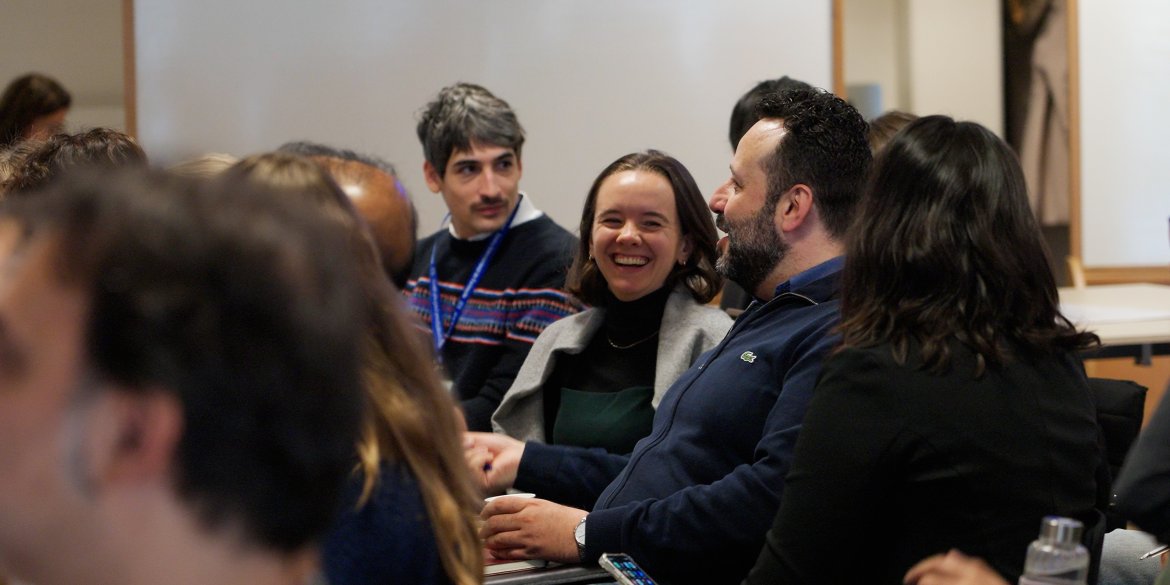
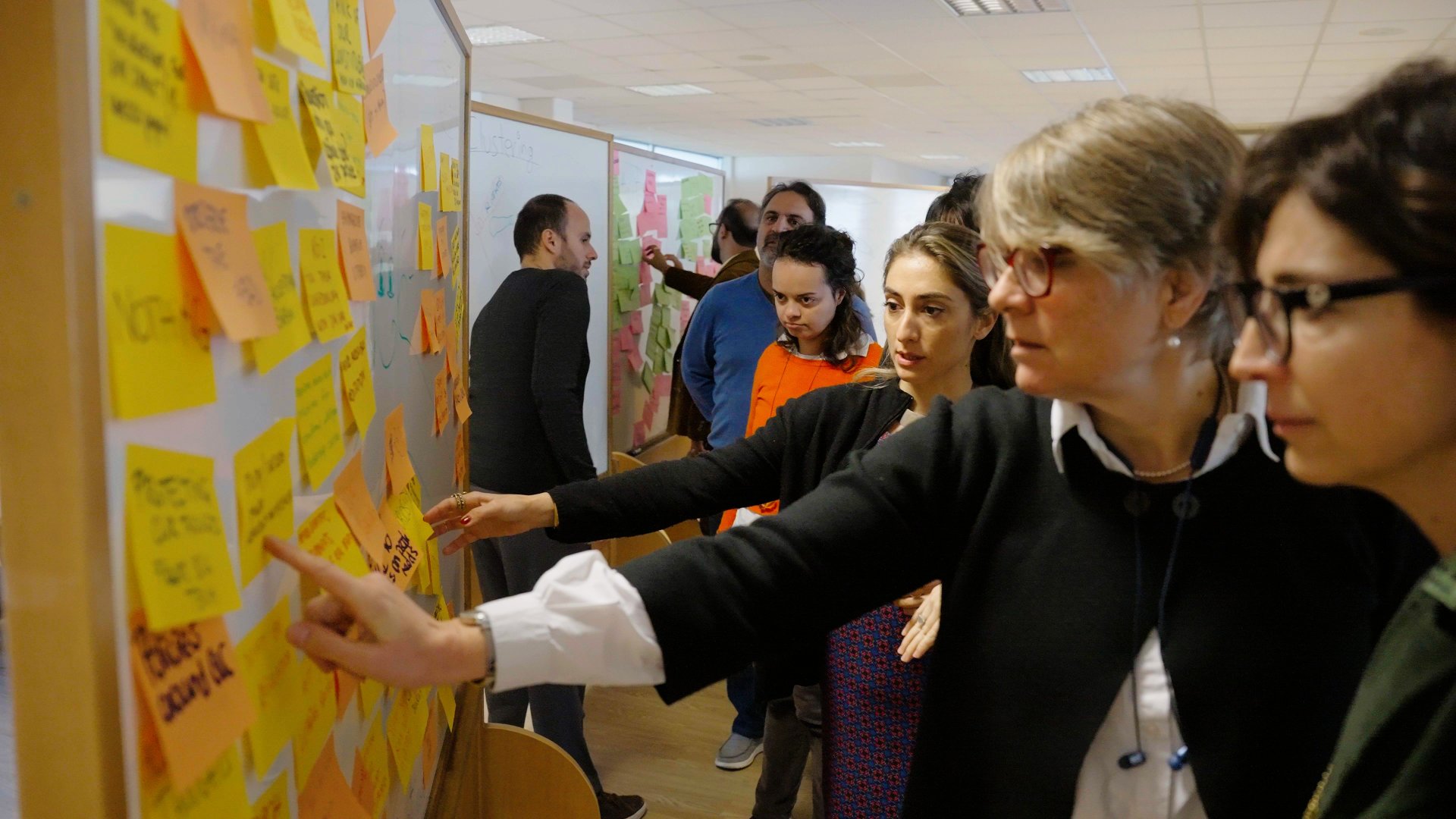
From July to December, 23 ITCILO staff took part in a multimodal learning journey, both in person and online. Through sandbox experiences, co-creation events, coffee roulette sessions, webinars and field visits to universities, they worked directly with a range of technologies, including artificial intelligence, virtual reality, quantum computing and neurotechnologies.
Together, they explored how these technologies could be applied in their work and what implications this would have for learning, particularly in terms of access to opportunities, inclusion and participation. The process brought together different perspectives across the organization and created space to test assumptions, compare experiences and discuss concrete use cases.
This collective inquiry was translated into concrete outcomes: new ideas for learning offers and engagement formats to more actively involve ITCILO constituents and wider audiences, and—more importantly—into a shared manifesto articulating common principles and intent.
Four technologies, one journey
The journey focused on four emerging technologies: artificial intelligence, virtual reality, quantum computing, and neurotechnologies.
They were selected because they shape learning and work in different ways and at different stages of development. AI is already embedded in many tools and is changing how content is created, accessed and used. Virtual reality is being applied in training, offering more immersive ways to design and experience learning. Quantum computing remains at an early stage, but raises questions about future capabilities and the skills needed to engage with them. Neurotechnologies bring attention to the cognitive dimension of learning, making it possible to observe aspects such as focus, effort and fatigue.
Rather than looking at each technology in isolation, the aim was to explore them within the same journey, allowing different perspectives to meet and making it easier to connect them to the Centre’s work. As Chief of Learning Innovation Tom Wambeke puts it: “The best way to predict the future is to create it. By seeing this video or by being involved in this project, you're also a co-creator of possible futures that we are together shaping at the ITCILO.”
Watch the Journey unfold
Press play to start.
Why this matters now
This work takes place in a context of rapid technological change. Across the UN system, initiatives such as UN 2.0, the Pact for the Future, the Global Digital Compact, and the UN80 reform process all highlight the need for institutions to strengthen digital, data, and innovation capacities, while keeping people and social justice at the centre. In this evolving landscape, technology is increasingly understood not merely as a tool for efficiency, but as a potential accelerator of positive change—when guided by clear purpose and shared values.
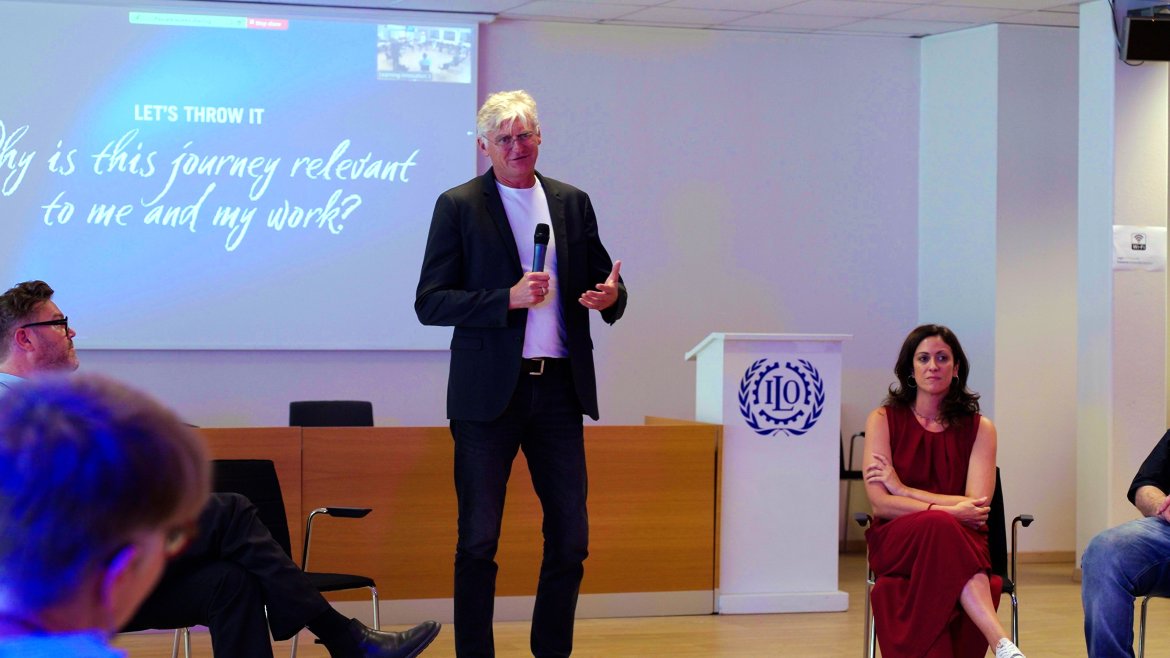
“We are living in a time of accelerated technological developments. Some would argue we are seeing a phase change. What this is about is pushing the envelope and exploring new frontiers, understanding what is emerging, and where we should invest today to respond to questions that are not even being asked yet.”
— Andreas Klemmer, Director of Training, ITCILO
© ITCILO/Mattia Capone
Building evidence through experience
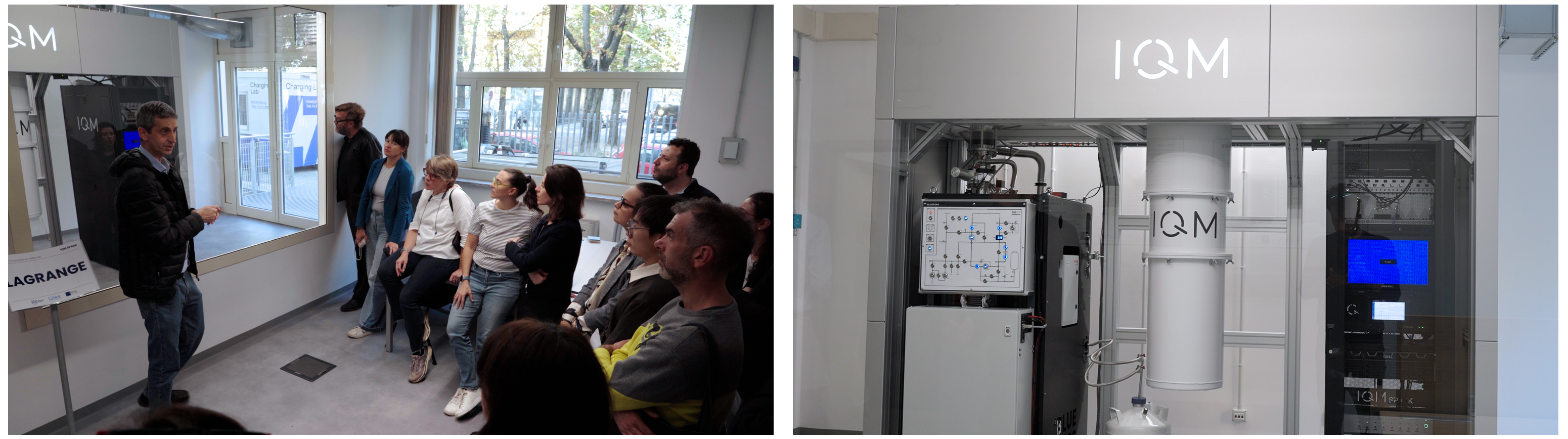
At the Politecnico di Torino, participants visited the Quantum Computing and Simulation Lab and saw one of Italy’s operational quantum computers. For many, it was the first time seeing this type of system up close, and seeing it in person made it easier to understand what the technology can do today, and what is still at an early stage. What stood out was not only the technology itself, but the gap between how it is usually described and what it looks like in practice.
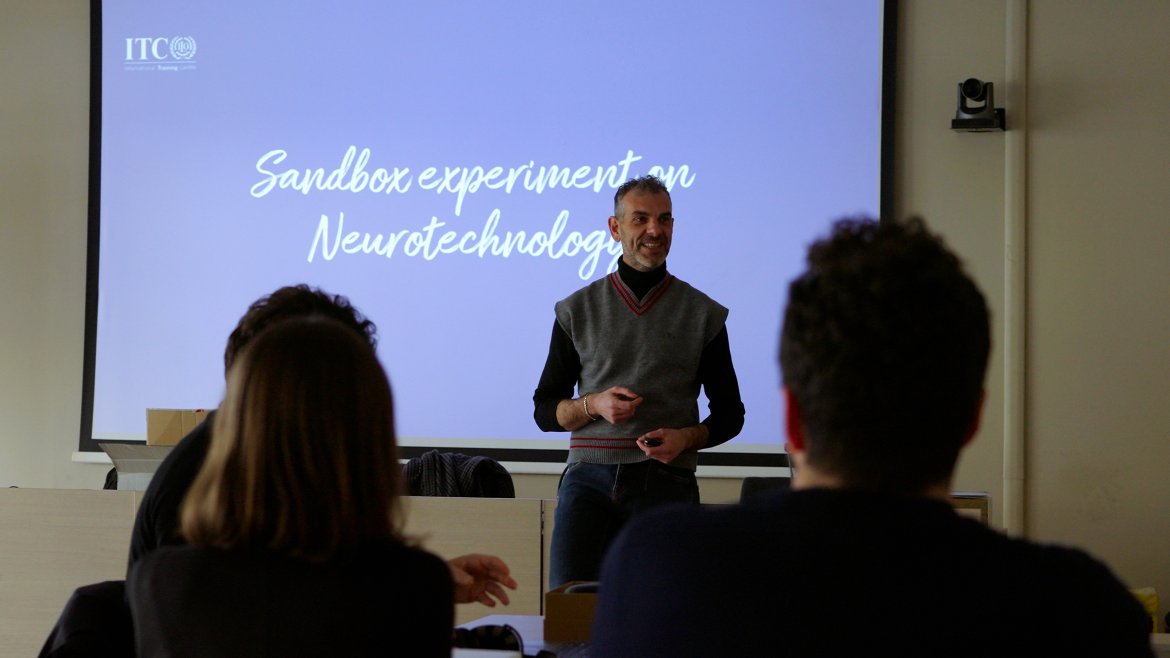
Other parts of the journey worked in a similar way. In a neurotechnology sandbox, participants used lightweight headsets during simple learning activities and saw real-time signals showing changes in focus, mental effort and fatigue. Something that usually remains in the background became visible, and open to interpretation. Participants also worked with AI tools and tested virtual reality environments already used in training, which made it possible to compare how these systems function, how people interact with them, and where limits start to appear.
© ITCILO/Mattia Capone
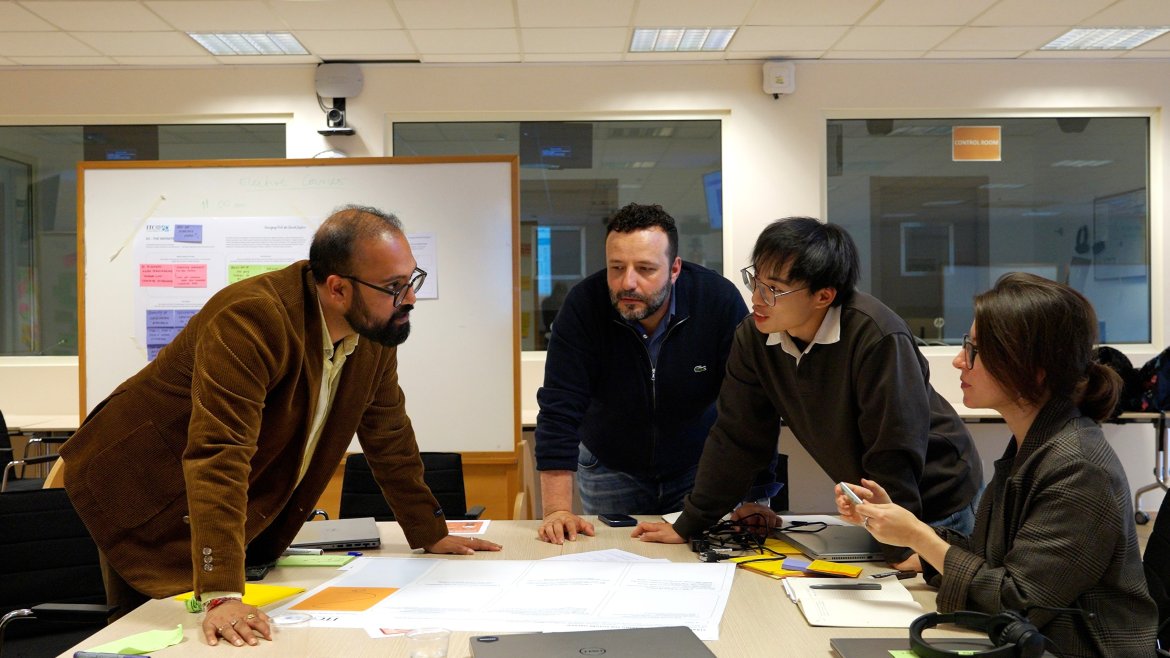
These experiences gave participants the chance to see and try technologies they would not normally encounter in their day-to-day work. They created space to explore, ask questions and make sense of how these tools might relate to what they do. Working across different technologies also helped connect perspectives across teams, bringing people together around a shared experience. One participant reflected: “I think this journey is very important because for a certain amount of time, we forget our day-to-day life, and we enter in a true, meaningful exchange space amongst ourselves.”
© ITCILO/Mattia Capone
The Manifesto
The journey concluded with the development of a Manifesto that brings together insights from months of dialogue, experimentation and structured work. This shows how a position on emerging technologies, as with other complex issues, can be built in practice: through a participatory process, grounded in experience and shared across the organization.
It articulates five commitments: to leverage emerging technologies in support of social justice; to keep humans at the centre; to ensure accessibility, transparency and ethical use; to make evidence the entry point; and to strengthen institutional readiness. Together, these commitments define how technologies are engaged in practice, from how tools are selected and used to how decisions are made and how their impact is assessed.
For the ITCILO, the Manifesto serves as a common reference, reflecting a shared understanding across departments and providing a basis for future decisions, initiatives and partnerships. It is intended as a living document, to be reviewed over time in light of technological developments, evidence from practice and institutional learning.
Get involved
This approach can be applied in other contexts, bringing together teams to work through emerging technologies, as well as other complex topics, in a structured and participatory way. It creates the conditions to move beyond general discussions, by connecting perspectives, testing ideas in practice and building a shared understanding over time.
The ITCILO works with institutions to support the use of this methodology in their own learning and organizational context. Contact us at learninginnovation@itcilo.org


