Culture, Tourism and Creative Sectors for Sustainable Development and Decent Work

Photo © Adobe Stock/Thares2020
Culture, Tourism and Creative Sectors for Sustainable Development and Decent Work
15–19 Junio 2026
El curso está disponible en English
Key features
COMPREHENSIVE SCOPE
Integrated coverage of culture, creative sectors, decent work and the tourism nexus.
METHODOLOGY
Interactive, case-based and activity-driven learning.
TURIN & PIEMONTE
A transforming region illustrating cultural regeneration and sustainable tourism in practice.
STUDY TOUR
Field visits in Turin and Piemonte connecting policy discussions with territorial practice.
Presentación del curso
This course explores how culture, tourism and creative sectors can be strategically leveraged to promote sustainable development while generating quality employment and inclusive economic opportunities. It examines the culture-tourism nexus, the role of creative assets and heritage, and the management of destinations and cultural initiatives in ways that balance economic performance, social value and territorial sustainability. Decent work is addressed as a core dimension throughout the programme, with attention to skills development, formalization, social protection and social dialogue, ensuring that growth in these sectors leads to improved working conditions and equitable outcomes for workers and communities. The course combines policy perspectives, management tools and practical learning, including study visits, to support effective design and implementation.
¿Quiénes participan en este curso?
The course is designed for public officials, managers and technical staff from ministries, regional and local authorities, destination management organizations, cultural institutions and development agencies working on culture, tourism, creative industries and related employment and labour policy areas. It is also relevant for representatives of social partners and public or semi-public bodies engaged in skills development, employment promotion and local economic development.
Objectives
The course centres on culture and creative sectors as drivers of sustainable development and decent work. Tourism is addressed as a transversal nexus that amplifies cultural assets and territorial economies when governed responsibly.
By the end of the course, participants will be able to:
- Analyse the contribution of culture and creative sectors to sustainable development, including their economic, social and territorial impacts and linkages to the SDGs.
- Identify and assess decent work challenges in culture and creative sectors, including informality, skills gaps, social protection deficits and social dialogue mechanisms.
- Describe approaches to managing cultural and creative assets within territorial ecosystems, including sustainable destination management, business models and responsible tourism linkages.
- Outline possible policy options and institutional entry points to strengthen governance, financing and decent work outcomes in their respective contexts.
- Facilitate experiential learning and peer exchange through study visits and case discussions, enabling participants to reflect on practical experiences and draw lessons relevant to their own professional contexts.
Training Content
The programme provides an integrated examination of how culture and creative sectors can generate sustainable development and decent work when supported by coherent policies, effective governance and responsible territorial strategies.
Module 1 – Culture, Creative Economy and Sustainable Development
This module introduces the development rationale of culture and the creative economy, examining their economic, social and territorial contributions and their relevance to the SDGs, while clarifying the role of the tourism nexus in enhancing cultural value chains.
Module 2 – Decent Work in Culture and Creative Sectors
This module focuses on employment structures and working conditions in the sectors, analysing informality, skills ecosystems, social protection gaps and the function of social dialogue.
Module 3 – Managing Cultural and Creative Assets
This module explores how cultural heritage and contemporary creativity are managed within territorial systems, addressing sustainability, community participation and viable business and organizational models.
Module 4 – Policies and Territorial Strategies. Study Visits
This module examines governance frameworks and policy instruments at national and local levels, complemented by field visits that illustrate territorial implementation in practice. Field-based exploration of cultural tourism and creative initiatives; engagement with local stakeholders; guided reflection and peer exchange on practical experiences.
Module 5 – Wrap-up and Closure
Consolidating the learning through structured reflection, peer exchange and identification of actionable entry points relevant to participants’ contexts.
Why Turin?
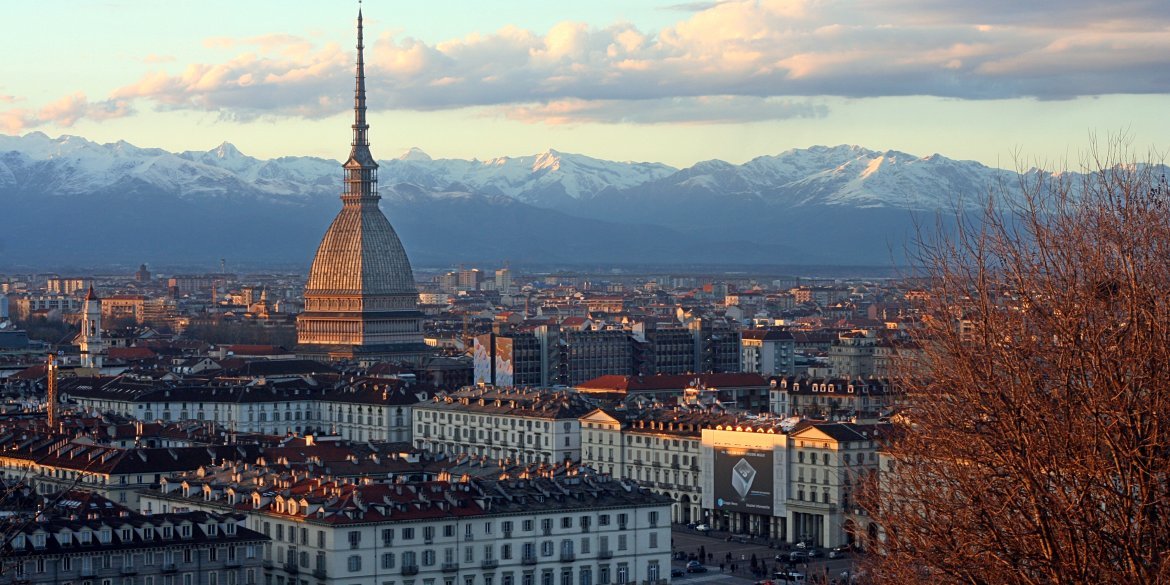
The course takes place in Turin, a city that has undergone significant economic and cultural transformation, repositioning itself from an industrial centre to a dynamic hub of culture, creativity and innovation. This evolving context provides a relevant setting to examine how cultural heritage, creative industries and responsible tourism can contribute to territorial regeneration and decent work.
The broader Piemonte region further illustrates how cultural assets, local production systems and sustainable tourism strategies can be integrated into coherent development models, offering participants practical insights into place-based approaches and multi-level governance in action.
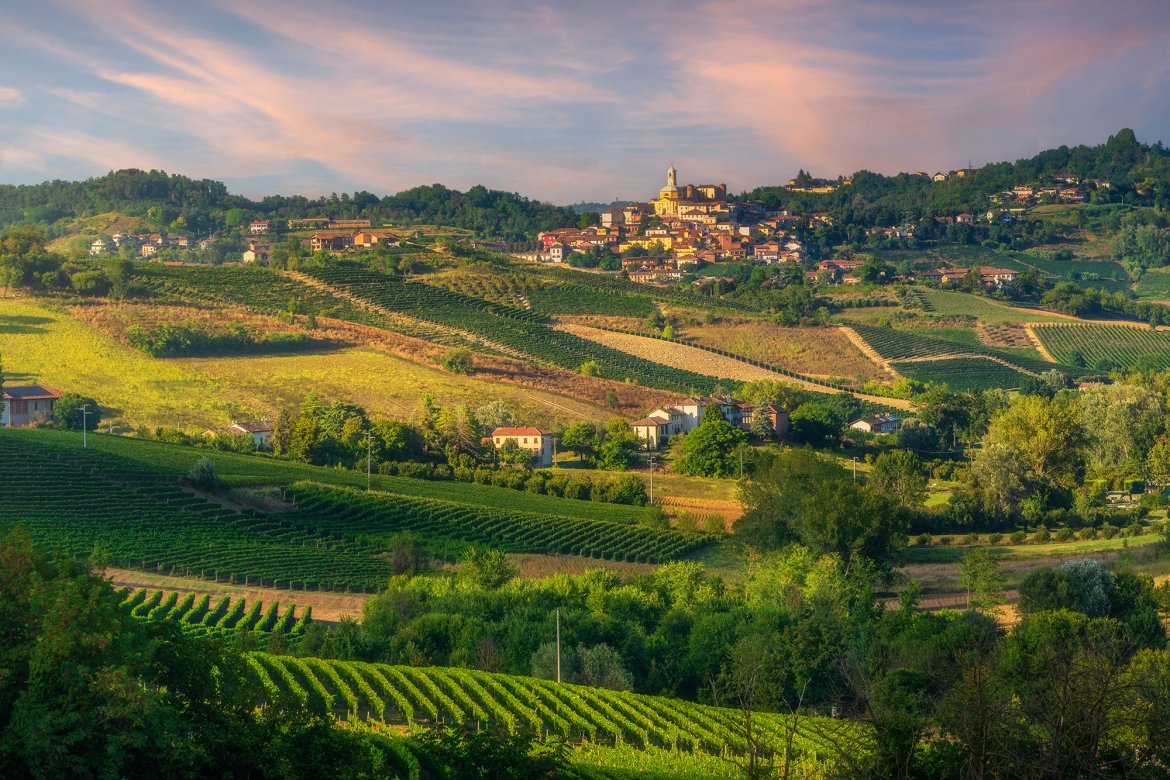
Photo © Adobe Stock/stevanzz
The region features several UNESCO World Heritage and other iconic sites, some of which will be explored as part of the programme’s study visits.
Course partners
This course is offered in a partnership and collaboration with the Fondazione Santagata for the Economics of Culture https://www.fondazionesantagata.it/
The Foundation works across five main areas: cultural heritage management and territorial development; safeguarding of intangible cultural heritage; cultural innovation and contemporary cultural production, including emerging markets and new professions; the enhancement of tourism linked to tangible and intangible heritage, creative industries and productive districts; and the promotion of a just ecological transition, exploring the relationship between cultural and natural heritage and the climate crisis.
Certificate
Upon completion of the course, participants receive a certificate of participation.
Registration
Registration is not binding. Register as soon as possible to express your interest and to allow ample time for securing your visa to Italy. Some country embassies require several weeks for securing the visa process.
Register here https://oarf2.itcilo.org/STF/A9019456/en
Contact
Contact the ITCILO: worldheritage@itcilo.org for any question you may have.
Course manager: Ms. Margarita Lalayan, m.lalayan@itcilo.org at Sustainable Enterprises and Economies (SEE) programme
Other relevant programmes of the ITC ILO
Other relevant programmes of the ITC ILO:
- Explore our free self-guided course Advancing Decent Work in the Culture and Creative Sector which is offered in 4 languages with a certificate of participation issued upon completion
- Explore our Culture and Creative Economy Foresight
- If you wish to receive updates on the relevant programmes of the ITC ILO, sign up for the news here choosing “Enterprise development” from the list of suggested themes.