25 Palestinian Diplomats Explore the Evolving Role of Diplomacy
25 Palestinian Diplomats Explore the Evolving Role of Diplomacy
Two weeks of learning from peers, practitioners and institutions at the heart of international cooperation
11 Agosto 2026
© ITCILO/Mattia Capone
Diplomacy in today’s world demands the ability to interpret and navigate change, build relationships and find common ground across countries and institutions. Developing these skills requires continuous learning and time to step away from daily responsibilities to reflect, exchange perspectives and strengthen professional practice.
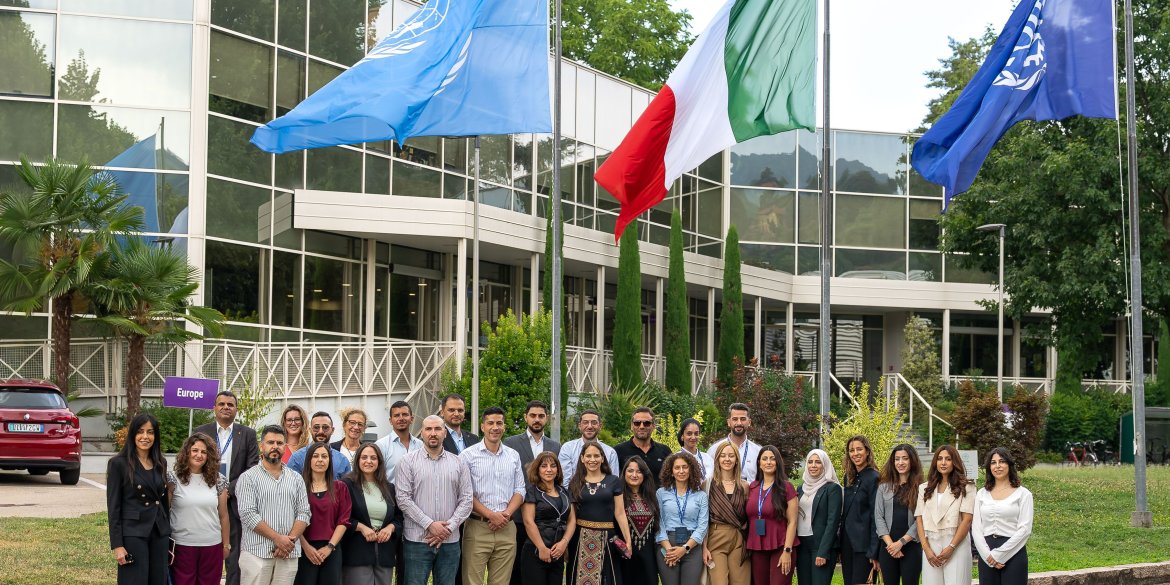
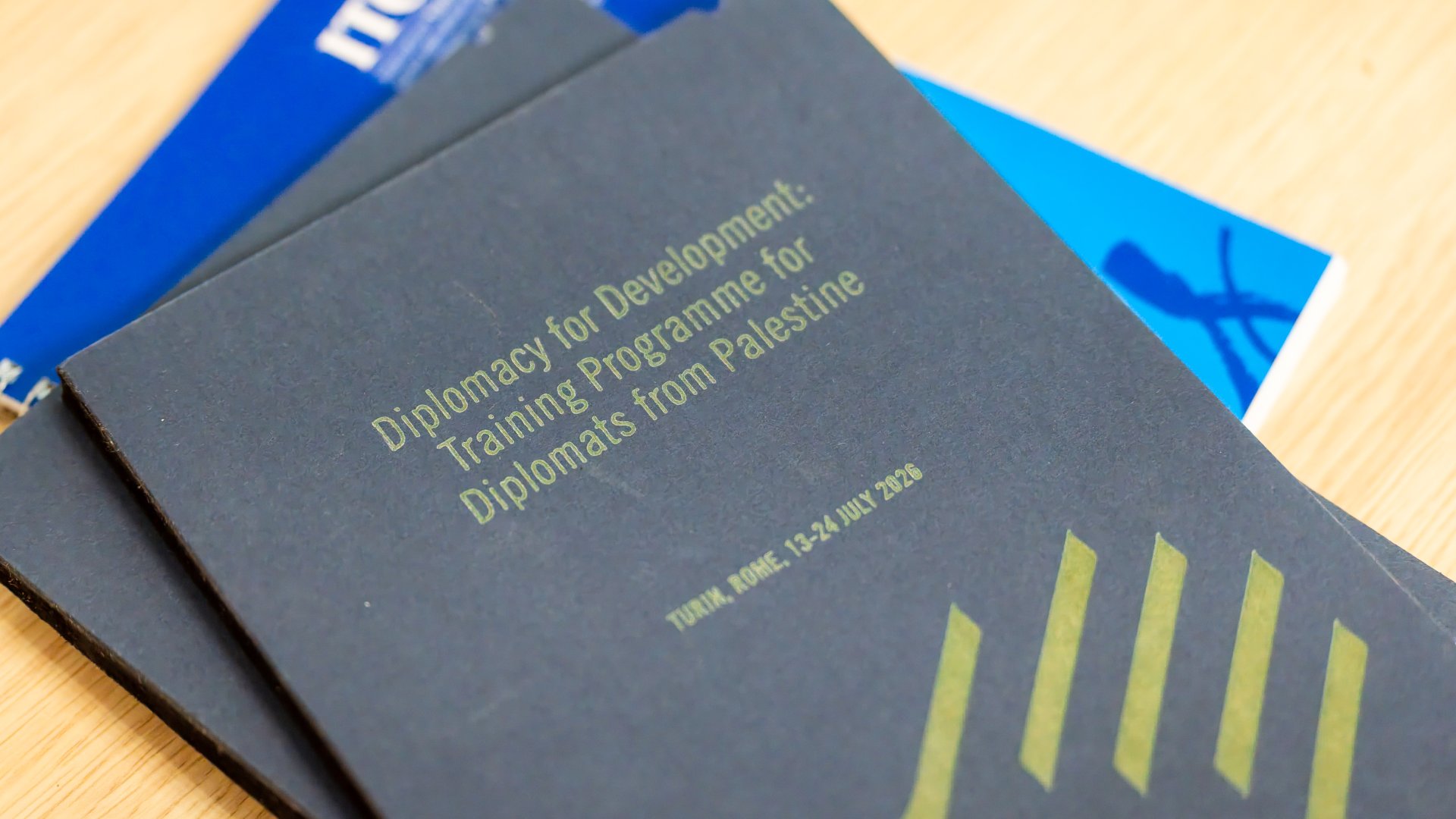
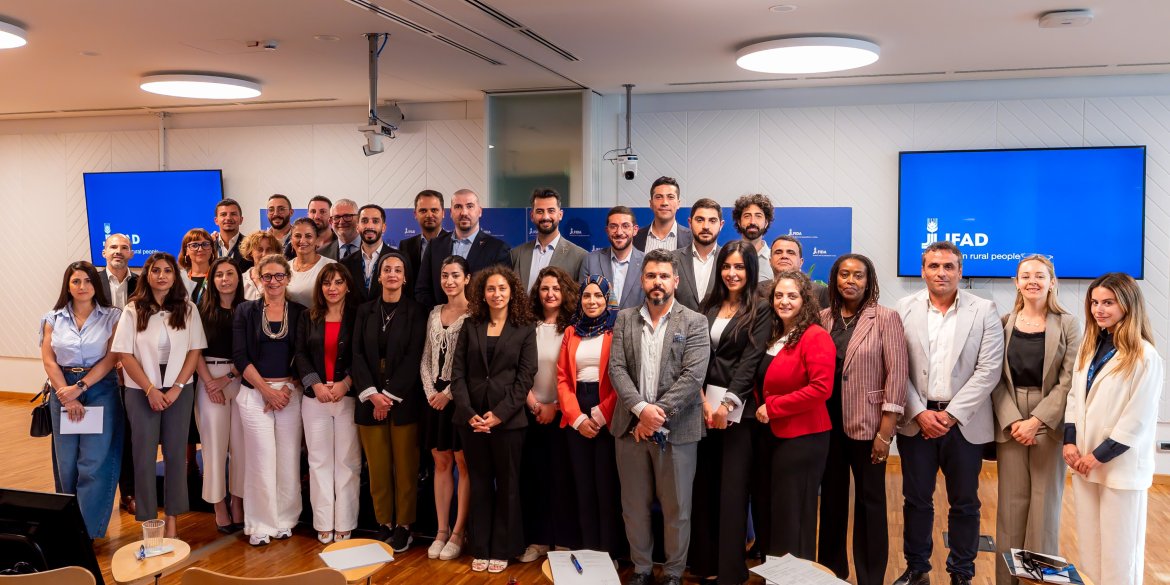
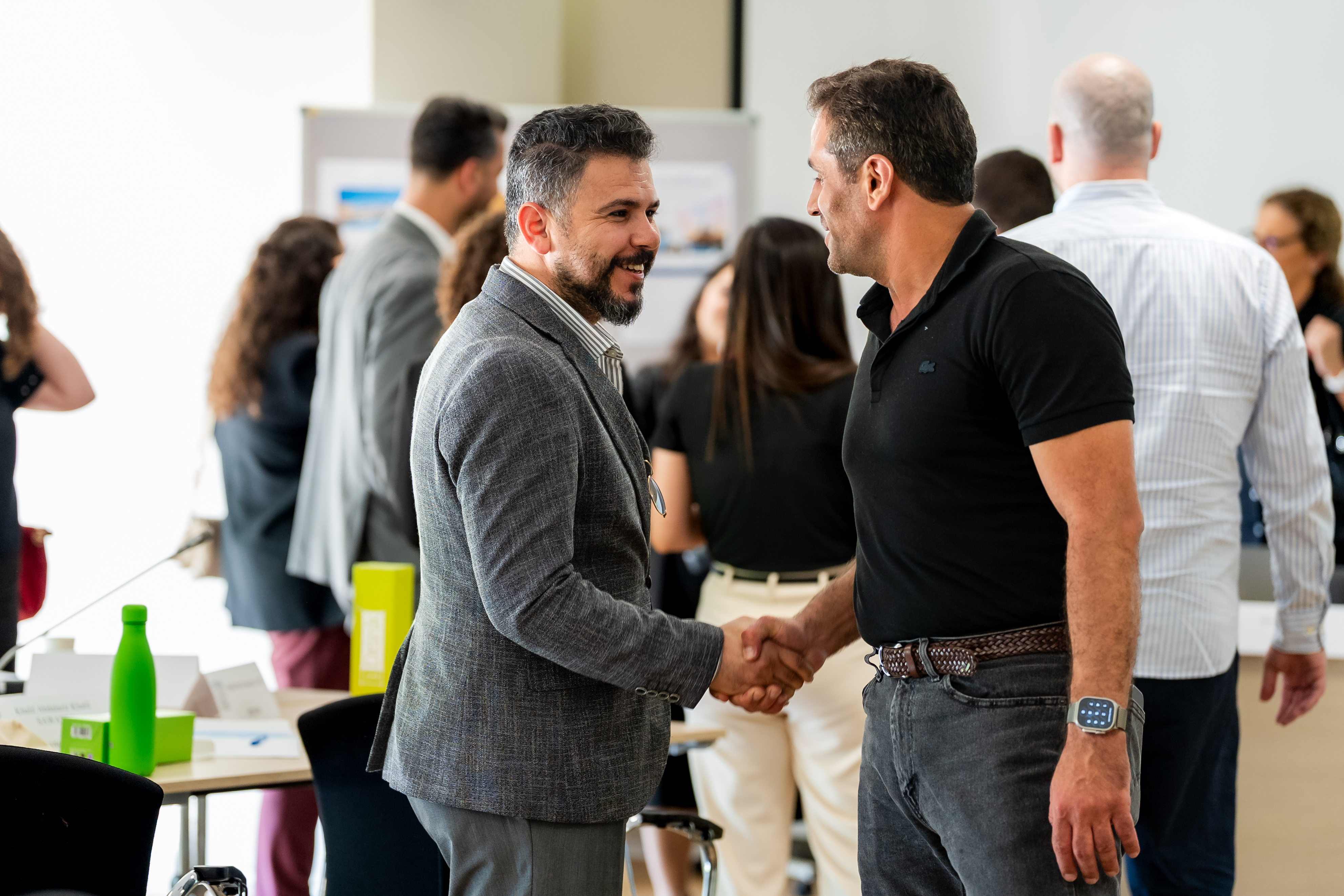
With this purpose in mind, the International Training Centre of the ILO (ITCILO) in partnership with the Italian Ministry of Foreign Affairs and International Cooperation (MAECI), welcomed 25 early- and mid-career officials from the Ministry of Foreign Affairs and Expatriates of the State of Palestine (MOFA) for the Diplomacy for Development programme.
Organized around Italy and Palestine's shared longstanding ties rooted in cultural affinity, humanitarian solidarity, and a shared commitment to just and lasting peace, the training programme drew on the expertise of the ITCILO, Italian universities and international organizations based in Rome.
The two-week learning initiative equipped participants with the analytical and operational tools to navigate today's complex international landscape and effectively mobilise support for Palestine's diplomatic engagement and long-term development. Participants were given the space to step back from the demands of daily diplomatic practice, exchange experiences with colleagues, engage with international experts, and reflect on the evolving role of diplomacy in today's global landscape.
This kind of programme is what we value the most, to foster peace processes through human capital investments.
H. E. Ambassador Cecilia Piccioni
Deputy Secretary General and Director General for Political Affairs and Security, MAECI
Conceptual learning and practical application
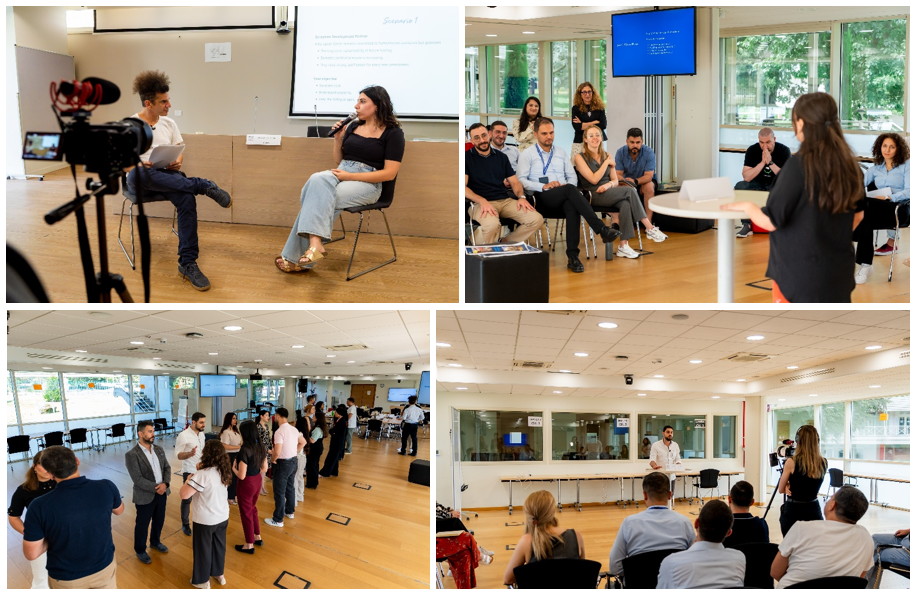
Modern diplomacy cannot be mastered through theory alone. Throughout the programme, participants moved continuously between conceptual learning and practical application. Negotiation simulations, diplomatic role-play, collaborative problem-solving exercises and case studies challenged participants to analyse complex situations, reconcile competing interests and make decisions under realistic conditions. These exercises strengthened the communication, negotiation and strategic thinking required of contemporary diplomats.
Equally important was the quality of the dialogue inside the classroom. Participants brought with them diverse professional experiences from different departments and diplomatic missions, enriching discussions through thoughtful debate, critical analysis and the exchange of perspectives.
Outside the classroom
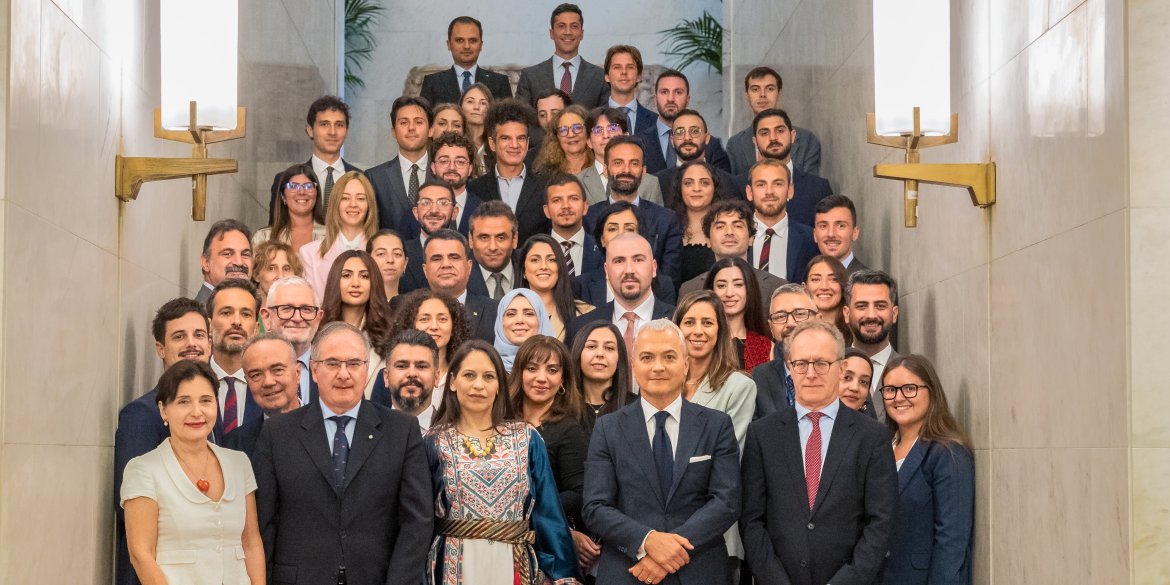
From Turin to Rome, participants engaged directly with institutions that shape international cooperation, multilateral governance and development policy. Meetings with senior representatives from MAECI, United Nations agencies, international financial institutions, the Holy See and other partner organisations offered first-hand insight into how diplomacy and international cooperation are advanced in practice.
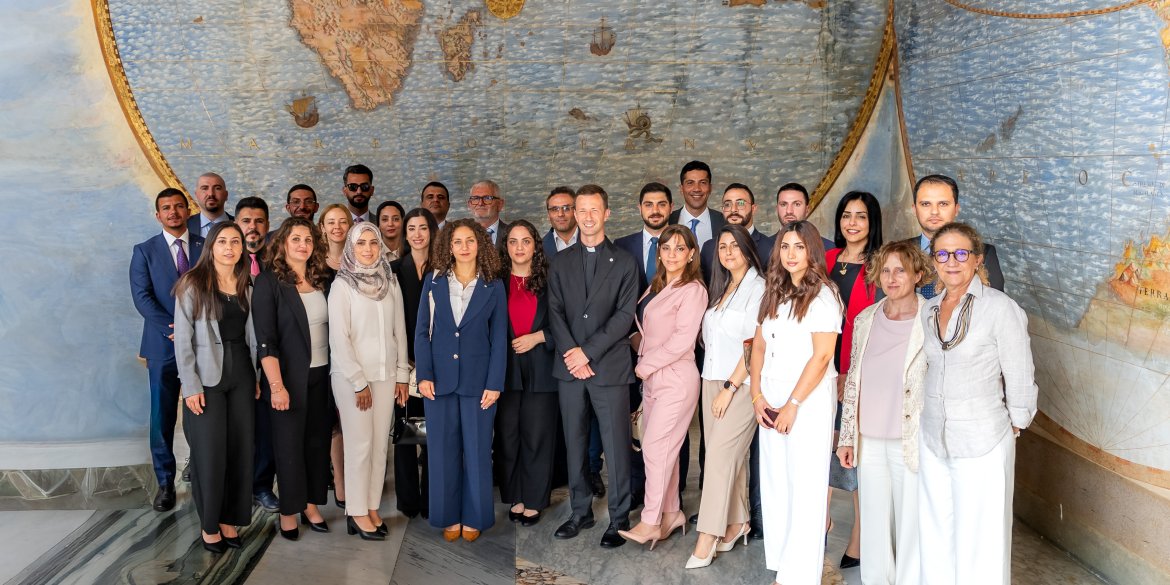
A highlight of the programme was the visit to the Holy See, where participants met with Monsignor Natale Albino of the Secretariat of State to discuss the practice of diplomacy, gaining unique insights into dialogue, trust and the enduring value of diplomatic engagement.
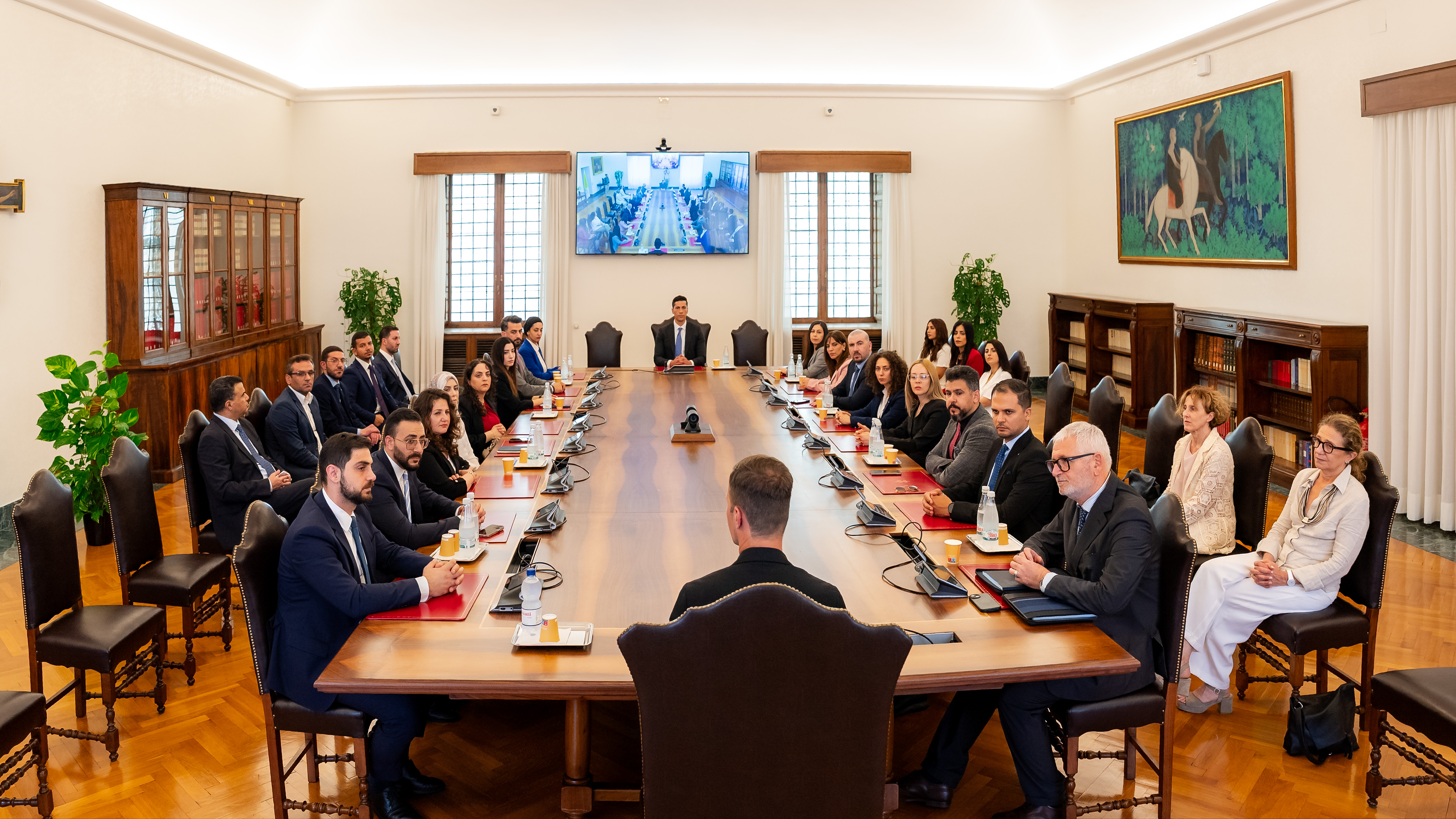
Through these institutional exchanges, participants saw first hand how international organisations collaborate across sectors, and examined the partnerships required to address shared global challenges, from sustainable development and humanitarian action to food security, migration and economic cooperation.
Diplomacy as a profession of continuous learning
One of the strongest messages to emerge from the programme was that diplomacy is never static. As international priorities evolve, so must the knowledge, skills and perspectives of those representing their countries abroad. Sessions on international law, multilateral governance, inclusive growth, cultural diplomacy, strategic communication, aid and development finance, labour migration and geopolitical change demonstrated the breadth of expertise expected of today's diplomatic professionals.
For many participants, the programme also offered valuable time to reflect. Away from the pace of everyday responsibilities, they engaged in meaningful conversations with peers, questioned assumptions, explored new approaches and considered how international experience could inform their future work in support of Palestine's engagement with the international community.
Participants included young Palestinian Embassy and Consular officials from several missions globally, as well as officials from MOFA headquarters in Ramallah engaged in international cooperation, bilateral and multilateral relations, and the coordination of external support to national development. The diversity of their roles and postings is treated as an asset throughout the programme, enriching peer learning and fostering collaboration.
Diplomats originally from the West Bank and Gaza, now serving in Palestinian diplomatic missions around the world, also enjoyed the opportunity to come together in person. For two weeks, the course was a meeting point where colleagues could reconnect, exchange professional experience, reflect collectively and strengthen relationships that will continue to support their work long after the end of the programme.
Hope as a professional responsibility
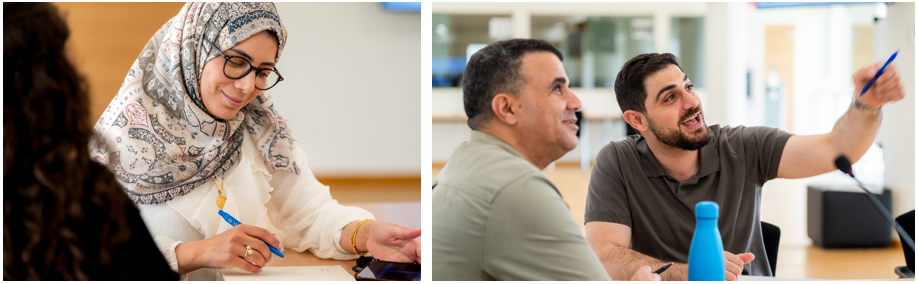
During the programme, conversations frequently turned to the future. Participants spoke about diplomacy not only as the representation of national interests, but as a means of creating dialogue, strengthening international partnerships and contributing to peace and sustainable development.
Despite discussing some of the world's most complex legal, political and humanitarian challenges, participants consistently expressed confidence in diplomacy's capacity to create opportunities for cooperation where dialogue remains possible.
We firmly believe that investing in the next generation of diplomats is an investment in peace, cooperation, and sustainable development.
Mr. Abedalatife Abedalakader
Palestinian diplomat at the Ministry of Foreign Affairs and Expatriates of the State of Palestine
By investing in the professional development of diplomats, the programme contributes to stronger public institutions and more effective international engagement. Through this initiative and similar ones, the ITCILO continues to support governments and public institutions by creating learning environments where expertise, dialogue, and international cooperation come together to support those working at the forefront of cooperation between nations.